
Owlcat kills Warhammer 40,000: Rogue Trader launcher after 19 hours of Steam hour complaints
The studio says it is rolling back the launcher and reverting to the previous patch after players reported Steam time issues.
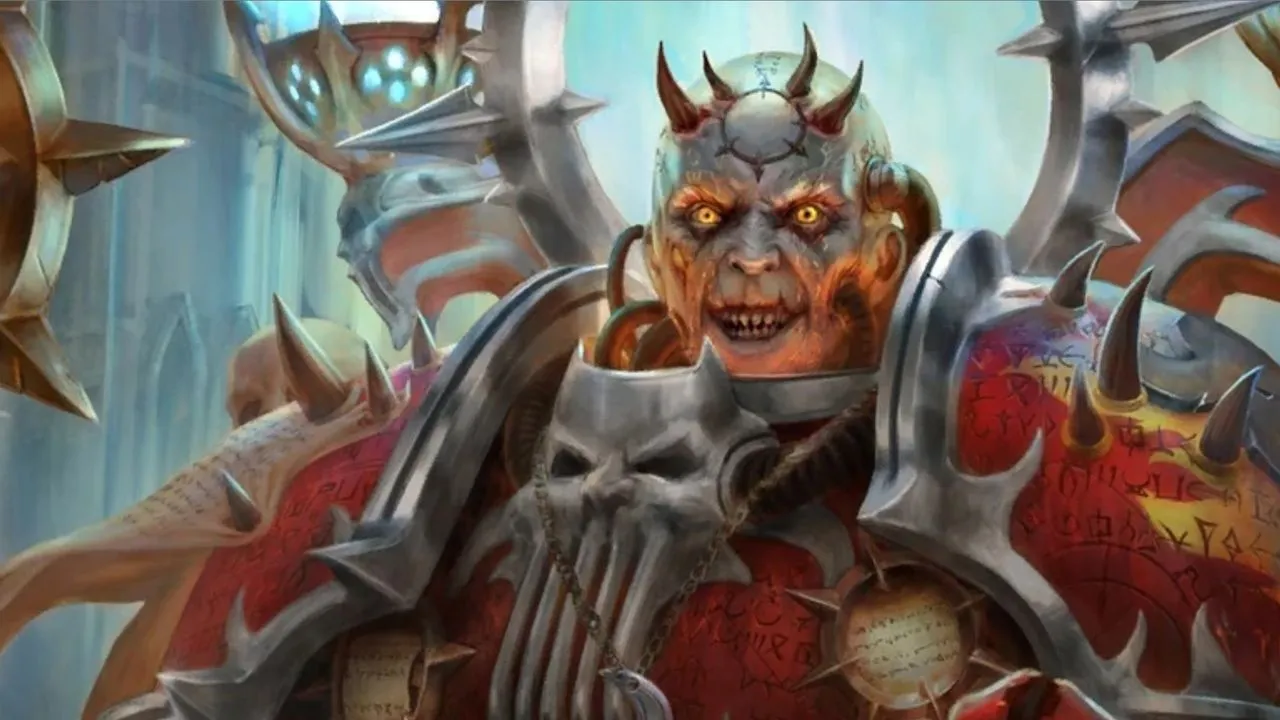
Owlcat rolled back the Owlcat Launcher for Warhammer 40,000: Rogue Trader just 19 hours after release. The consequence for decision-makers: even “unobtrusive” launchers can trigger instant user backlash and force emergency product reversals.
Owlcat’s new Owlcat Launcher for Warhammer 40,000: Rogue Trader lasted about 19 hours. Then it was gone, rolled back entirely, after players complained that the launcher would not truly turn off, and that it affected how Steam time was recorded.
The studio’s rollback was announced the day after launch, with the company stating, “We are Rolling Back the Launcher.” It also said the game will revert to the previous patch, completely removing any launcher-related changes, and it thanked players for feedback while apologizing for the frustration. If you are the kind of executive who believes product changes are slow-burn, this is a reminder that backlash can have a half-life measured in hours, not weeks.
Here’s what Owlcat Launcher was supposed to do. Introduced yesterday, it was intended to be a pre-game space that gathers news and updates about Owlcat’s various games. In the studio’s words, the idea was simple: “Instead of searching across multiple platforms for updates, news, and announcements, now you can find them all gathered in one convenient place whenever you launch the game.” The pitch is familiar across PC games. Centralize the “housekeeping” so the studio communicates directly at the exact moment a player is already launching the game.
But the controversy was not merely “players did not like it.” The complaints quickly focused on behavior that did not match what “unobtrusive” would imply. Owlcat emphasized that the launcher required “no mandatory registration,” said it did not collect player data, and could notionally be entirely turned off. However, players reported that turning it off did not actually stop it. Instead, it would run in the background invisibly.
That detail matters because it collided with how Steam tracking works. In a Rogue Trader subreddit post, Owlcat community manager Starrok explained the practical problem: if the Steam launcher detection did not see the launcher process, then “the game stopped recording Steam time (because launcher ID is now how the game is recognized by default).” The result was counterintuitive for players. They would reasonably expect that disabling a launcher would mean the launcher is no longer impacting the game experience, including metrics tied to playtime. Instead, the studio’s background process became part of how the game was recognized by Steam.
Starrok also said the team decided to use a background process as a bandaid fix for the Steam time display issue. He wrote: “I know VERY well how that looks, and unfortunately I was not informed about this change.” He added that he had already communicated with the team and that “tomorrow they will research how this time display issue can be resolved in a different way rather than leaving an unkilled process that eats up memory.” That set an expectation that the issue would be addressed by a different technical approach, not by removing the launcher.
Today’s solution, though, was blunt. The launcher was obliterated by a rollback that removes “any Launcher-related changes” and reverts the game to the previous patch. This is the kind of decision that looks reactive on the surface, but it can also be a rational response to an internal mismatch: a tool created to reduce friction (finding updates in one convenient place) became a new source of friction (invisible background behavior and Steam playtime concerns). In PC gaming, where players can inspect files, monitor processes, and compare behavior across patches, the tolerance for “we said it’s off, but it isn’t really off” is low.
This is not Owlcat’s first rodeo with player pushback either. The source notes that back in 2023, fan pushback forced it to strip a data-sucking tool out of Wrath of the Righteous. That history is important for boards and portfolio operators because it signals a pattern: studios can face repeated trust issues when they add always-on or pre-launch software. Even when the studio claims it is not collecting player data and is “unobtrusive,” the user’s lived experience can still feel intrusive, especially when the tool affects Steam tracking.
Zoom out to what executives should take from this. Launcher strategy sits at the intersection of product distribution, user trust, and measurement. PC storefront ecosystems like Steam make playtime and session tracking meaningful not only to players, but also to developers who watch engagement. When a launcher changes recognition or tracking logic, you can trigger secondary effects that look unrelated to “news and updates.” At that point, the launcher's brand promise turns into a liability.
And the second-order implication is speed. In theory, companies have time to iterate. In practice, Reddit and Steam forums can turn a technical mismatch into a reputational event immediately. Owlcat chose rollback fast enough to keep the launcher from becoming a lingering distraction. That may sound like good crisis management, but it is also a signal to peers: if you introduce new background behavior or pre-game components, you need more than a good explanation. You need proof that the behavior matches the promise, including how it interacts with Steam. Otherwise, the board can end up approving emergency patching on a timetable that resembles damage control rather than roadmap execution.
This story's Key Insights and Take-aways are locked.
Create a free account to unlock Executive Actions for one credit.
Register to UnlockAlways free for Executives Club members. Join the Club
More in Entertainment

Russell Brand's accuser 'bewildered and confused' as he denies 7 sex charges
The criminal case against the comedian is a live test of how media companies manage talent risk when serious allegations go public.

'It's a Magic Trick': Ballet Experts Say Rosalía's SNL Pose Is Impossible
Three ballet experts tell Rolling Stone Rosalía's gravity-defying SNL stillness shouldn't be possible - and why the debate is now part of the show.

Activision CMO: GTA 6 Will Boost Call of Duty, Not Bury It
Activision's top marketer says Rockstar's blockbuster will drive players back to consoles and into Modern Warfare 4, even as the company admits its recent strategy failed.