
Paramount files EU concessions, pushing WB merger Phase 1 deadline to July 22
The European Commission extended its Phase 1 review as Paramount weighs remedies across multiple jurisdictions and timelines.

Paramount has submitted concessions to secure regulatory approval for its $110 billion merger with Warner Bros. Discovery in Europe, after the European Commission extended its Phase 1 investigation deadline from July 7 to July 22. The update tightens the clock for decision-makers because Europe also has a separate foreign investment review deadline on July 14.
Paramount has submitted concessions to win European approval for its $110 billion merger with Warner Bros. Discovery, and the European Commission has responded by extending the Phase 1 review deadline from July 7 to July 22. The EC update, posted on its website, confirms the review has moved out by 15 days. The Commission, however, declined to disclose the specific commitments Paramount submitted, so the market signal is less about what the remedies are and more about the fact that regulators are still engaged, and bargaining.
This matters because Phase 1 is where deals either get an expedited path or get pushed deeper into remedies. Paramount is not waiting quietly. The company held a meeting with the European Commission last week, where the two sides discussed potential remedies to secure regulatory approval. One remedy reported by the Financial Times was to withdraw from United International Pictures, an international distribution joint venture with Universal. In other words, the concessions are the price of admission for the deal to keep its timetable. And the EC clock now officially reads July 22, not July 7.
Europe is not the only regulatory battlefield, but it is one of the most delicate because it includes two separate review tracks. Alongside the competition review, the European Commission is reviewing the foreign investment element of the transaction, with a deadline set for July 14. That means Paramount is managing two overlapping but distinct processes: one focused on competition effects in Europe, the other on foreign investment screening rules. Even if the Phase 1 timeline extends, the July 14 foreign investment decision window is still a hard milestone.
The broader regulatory picture shows why Paramount is moving fast. So far, the Paramount-WBD merger has received clearance from regulators in Kuwait, South Africa, China, Australia, New Zealand, Saudi Arabia, Ukraine, Serbia, and North Macedonia. Foreign direct investment authorities have also cleared the deal in Spain, Germany, Slovenia, Belgium, Czechia, Italy, France, and Romania. Meanwhile, in Canada, there is “no statutory impediment” after a waiting period under the country’s Competition Act expired. Put simply: lots of jurisdictions have said yes, or moved past initial obstacles.
But the fact that Europe is still where remedies are being discussed tells you where the remaining friction sits. It is not necessarily about whether the deal is “allowed” in principle. It is about whether it can be made acceptable under competition and foreign investment rules. The EC spokesperson’s refusal to disclose the commitments suggests the remedies are still under negotiation, or at least not finalized publicly in detail. For executives and boards, this is the kind of uncertainty that can ripple into planning, integration sequencing, and investor messaging, even when most other regulators are cooperating.
Then there is the United Kingdom, which remains a different style of risk, and one with a named decision-maker. Secretary of Culture, Media and Sport Lisa Nandy has informed Paramount and WBD that she feels “minded to intervene.” She asked the companies to address her concerns by July 6. A final decision on whether the deal is cleared, or instead proceeds to a Phase 2 investigation with the Competition and Markets Authority and Ofcom, is expected by Aug. 7. That July 6 date is earlier than the EC Phase 1 deadline of July 22, creating a stacked calendar: foreign investment review on July 14 in Europe, UK concerns response on July 6, and then Europe’s Phase 1 decision timeline shortly after.
On the other side of the Atlantic, the United States has already cleared the merger through the Justice Department. But the transaction is still awaiting clearance from the FCC on its foreign ownership review. That is not a minor footnote either. The deal could also face litigation from a group of U.S. state attorneys general, including from California and New York, aimed at blocking the transaction.
All of this adds up to a funding and leverage story as much as it adds up to a regulatory story. The merger comes with financial mechanics designed to keep parties aligned while regulators take their time. If the transaction does not close by Sept. 30, WBD shareholders receive a 25 cent per share “ticking fee” for each quarter until closing. And if the deal does not close at all due to regulatory matters, Paramount will pay WBD a $7 billion termination fee. Those numbers turn regulatory timelines into economic variables that affect bargaining power and risk allocation.
For boards and deal teams, the second-order implication is simple: even when clearance is broad, the remaining holdouts can still be the ones that determine whether the merger becomes real on schedule. Europe pushing Phase 1 from July 7 to July 22 suggests the EC is not ready to move on without conditions, but it is also not escalating immediately. It is a “we need remedies” signal rather than a “stop now” signal. The July 14 foreign investment deadline compounds that. And with UK scrutiny still active and U.S. foreign ownership approval and potential state litigation still in play, the executives steering this merger have to run regulatory processes in parallel, not sequentially. In a deal this big, calendars are strategy, and regulators are the control knobs.
This story's Key Insights and Take-aways are locked.
Create a free account to unlock Executive Actions for one credit.
Register to UnlockAlways free for Executives Club members. Join the Club
More in Business
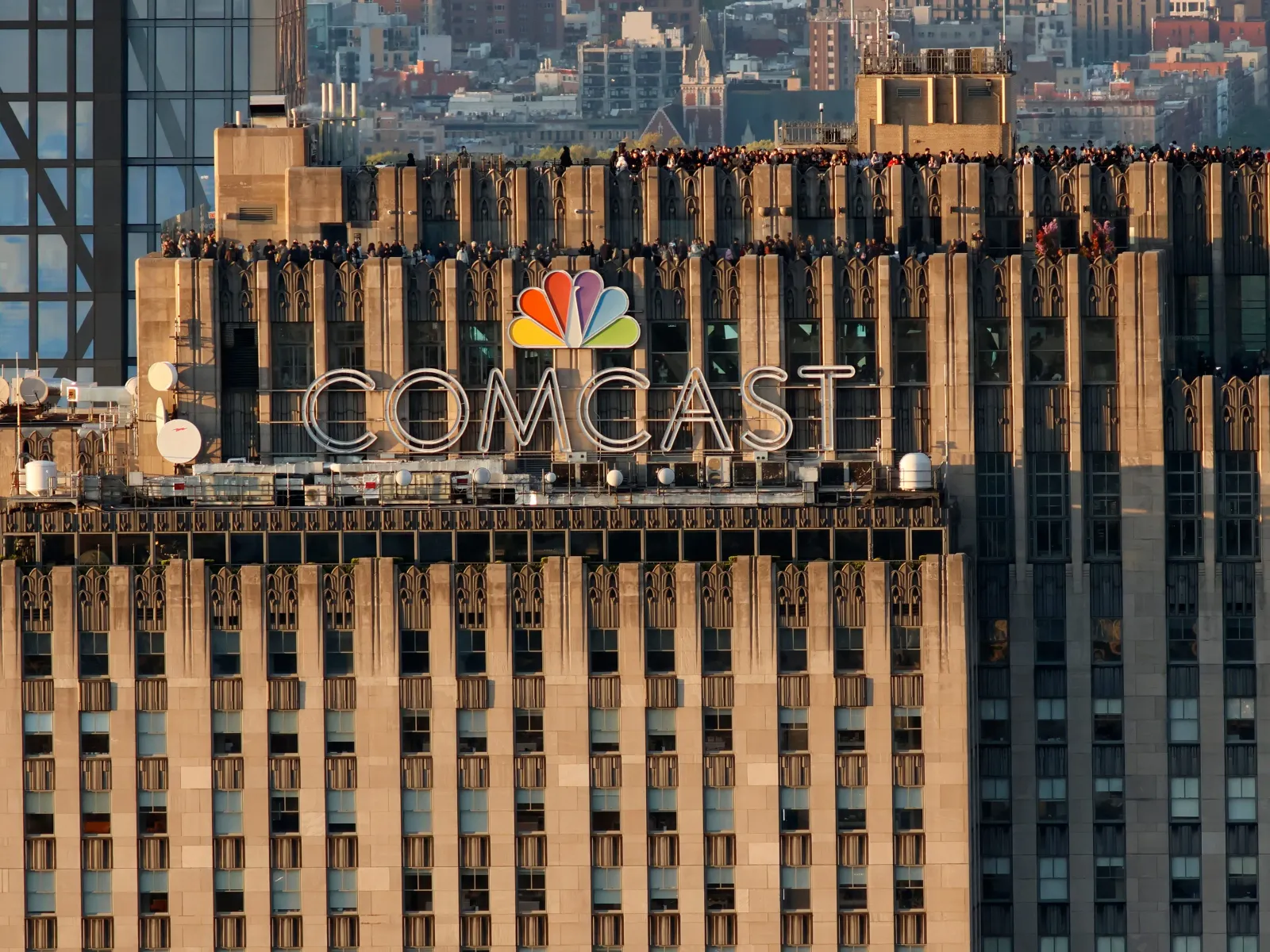
Comcast shares jump 25% as it plans to split NBCUniversal and Sky
The tax-free spin-off could reshape focus, funding, and competition across media and tech for years.

Bungie cuts most Destiny 2 staff as Sony says Marathon still matters
Herman Hulst confirms layoffs affecting most Destiny and some Marathon teams after Bungie admits Destiny fell short.

SK Hynix jumps 11% after seeking up to $29.4B in Nasdaq listing
The chip giant filed for a Nasdaq listing plan that could raise $29.4 billion, instantly reshaping investor expectations.