

Paramount’s Makan Delrahim calls California AG antitrust suit ‘weaponization’
He argues the 12-state challenge to Paramount’s $110 billion Warner Bros. Discovery merger is pro-competitive, while courts race deadlines.
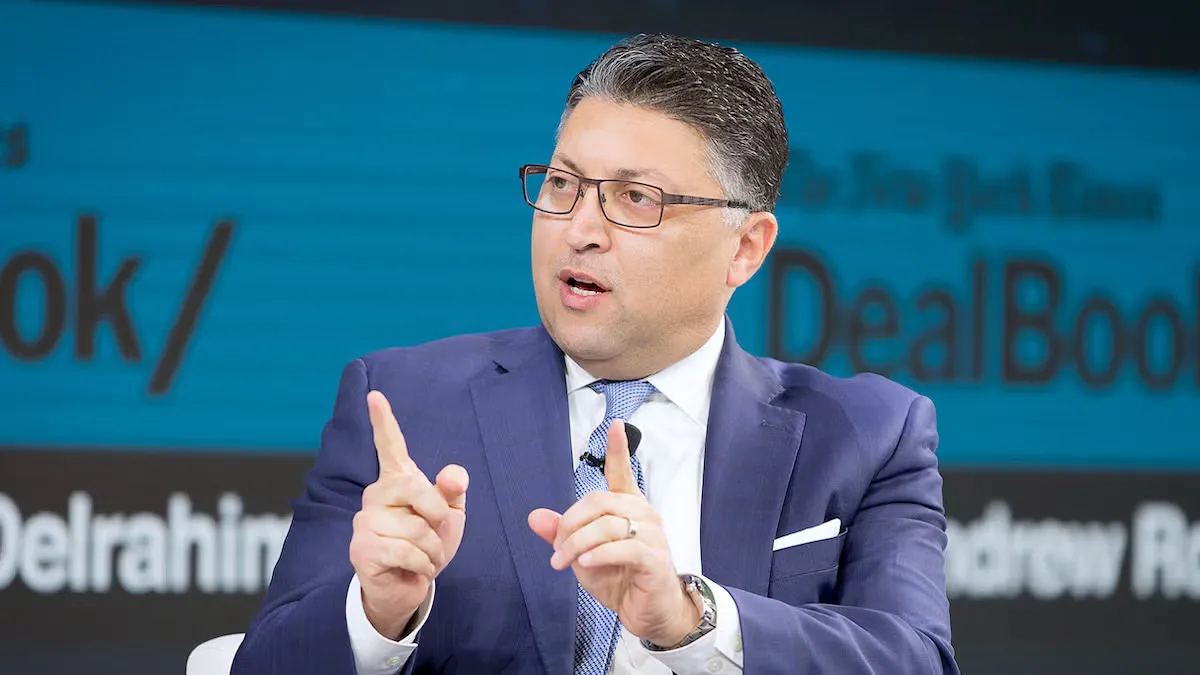
Paramount chief legal officer Makan Delrahim attacked a lawsuit by 12 state attorneys general led by California AG Rob Bonta challenging Paramount’s pending $110 billion merger with Warner Bros. Discovery. The dispute centers on whether the deal should be blocked with a temporary restraining order and how quickly evidence should be heard.
Paramount chief legal officer Makan Delrahim went on the offensive Monday, calling a state antitrust lawsuit “weaponization of antitrust law” during an appearance on Puck’s The Town podcast. His target is a challenge by 12 state attorneys general led by California AG Rob Bonta, which seeks to block Paramount’s pending $110 billion merger with Warner Bros. Discovery.
Delrahim’s core claim is blunt: there is no illegal conduct to prove, and the state’s market definitions “don’t make sense.” That argument is now in a procedural fight of its own. California Judge Araceli Martínez-Olguín will decide by Wednesday whether to issue a temporary restraining order (TRO) against the deal. If a TRO is granted, it could last up to 28 days, compressing how fast both sides must marshal evidence and persuade the court.
So what exactly are the states alleging, and why does Delrahim think the lawsuit is misguided? The AG group sued last week, arguing the merger would create an entertainment giant with control of 27% of the wide-release theatrical distribution market, 30% of the submarket comprising “anticipated blockbuster films,” and 27% of the basic cable bundle. They warned that approval could increase leverage over movie theaters and cable distributors, potentially raising consumer prices and reducing content output.
Paramount’s response is two-part. First, it says the AGs’ case is “one of the weakest” in modern history, pointing to competition from established studios and streaming platforms such as Netflix, YouTube, and A24. Second, it argues the combined company’s cable networks are “largely complementary,” not direct substitutes, which Paramount says makes reduced competition unlikely. Paramount also emphasizes that pay TV’s continuing decline weakens every programmer’s negotiating position, which, in its view, undermines the theory that the merger would produce outsized leverage.
The legal timeline is where the stakes get real, fast. Paramount’s attorney Jeffrey Kessler argued Friday that the court needs a preliminary injunction hearing before Sept. 30 to prevent “very severe harm.” The harm cited is a 25 cent per share ticking fee for every quarter until closing, translating to around $7 million per day and $650 million per quarter. In other words: this case is not only about antitrust logic. It is also about money that keeps accruing while the court process grinds forward.
But the state attorneys general argue Paramount is trying to set a schedule “to avoid a payment they negotiated to make,” which James Weingarten, the attorney for the AG group, called “beyond the pale.” Weingarten said the proposed approach would not allow a fair evidentiary runway. He argued that the witnesses the court needs to hear from are not just handpicked defense witnesses, but also “other people at the defense company,” plus competitors and customers, because those are the participants who explain how the marketplace actually works. Weingarten pushed for a hearing schedule aligned with other courts’ timelines for bringing evidence for the final merits decision of a permanent injunction, and he floated April 2027 instead.
Amid the procedural fight, settlement is the quiet third rail. When Delrahim was asked about reaching a potential settlement with California AG Rob Bonta, he said Paramount has already sent a list of possible concessions to Bonta and the other AGs, but he declined to spell out specifics. Delrahim also framed remedies as something that should follow a finding of harm and proof of illegality. He said remedies should not be used to resolve a case where, in Paramount’s view, those prerequisites do not exist.
He further claimed a communications mismatch between the filings and the company’s understanding of negotiation. Delrahim said Bonta’s office told Paramount it learned about Paramount’s concessions “only in the press” at the time of filing, and that Paramount received the list two months earlier. A spokesperson for Bonta’s office did not immediately return TheWrap’s request for comment. Delrahim said Paramount remains “open to all legitimate discussions” to address potential antitrust harm, adding that Bonta “just wanted to bring the lawsuit” and that Paramount would rather settle if the AGs want an “enforceable commitment.”
For executives, this case is a live reminder that merger risk is now a blend of economics, narrative, and timing. The market share numbers the AGs cite are only part of the story; so is how quickly a court will hear evidence, whether remedies are sought immediately, and whether deal economics keep ticking during the litigation window. And for boards overseeing large combinations, the lesson is sharper: even if you think your deal is pro-competitive, courts can force you into a deadline-driven fight where financial consequences, evidentiary strategy, and regulator optics all move at once.
This story's Key Insights and Take-aways are locked.
Create a free account to unlock Executive Actions for one credit.
Register to UnlockAlways free for Executives Club members. Join the Club
More in Business

Uber buys Delivery Hero for nearly $15B, vaulting to top food delivery outside China
The deal doubles Uber's dual-services footprint and pushes a ride-and-eats bundling play into 50 more markets.

Epic and Google drop settlement bid, forcing rival Android app stores by July 22
Google told the court it is ready to carry third-party app stores starting Wednesday, July 22.
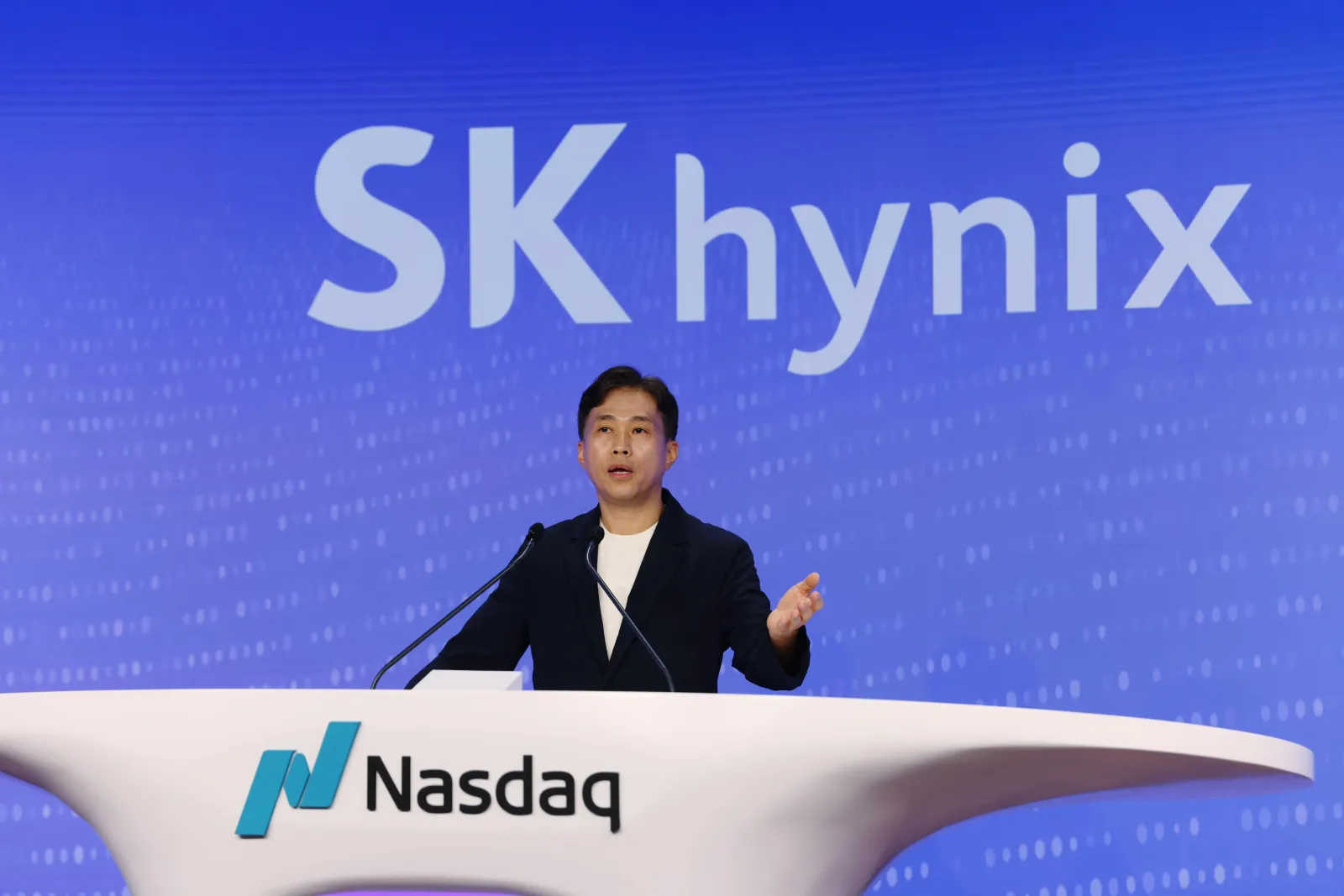
SK Hynix opens at $170, raises $26.5B, and tops foreign IPO records
In Friday's Wall Street debut, SK Hynix turns AI RAM demand into a $26.5B fundraising moment that rewrites comps.