

Paramount’s Shawn Kittelsen bets Bloober will make the best Star Trek game ever
New studio plans a 2027 Ro Laren psychological thriller, investing heavily to publish it themselves.
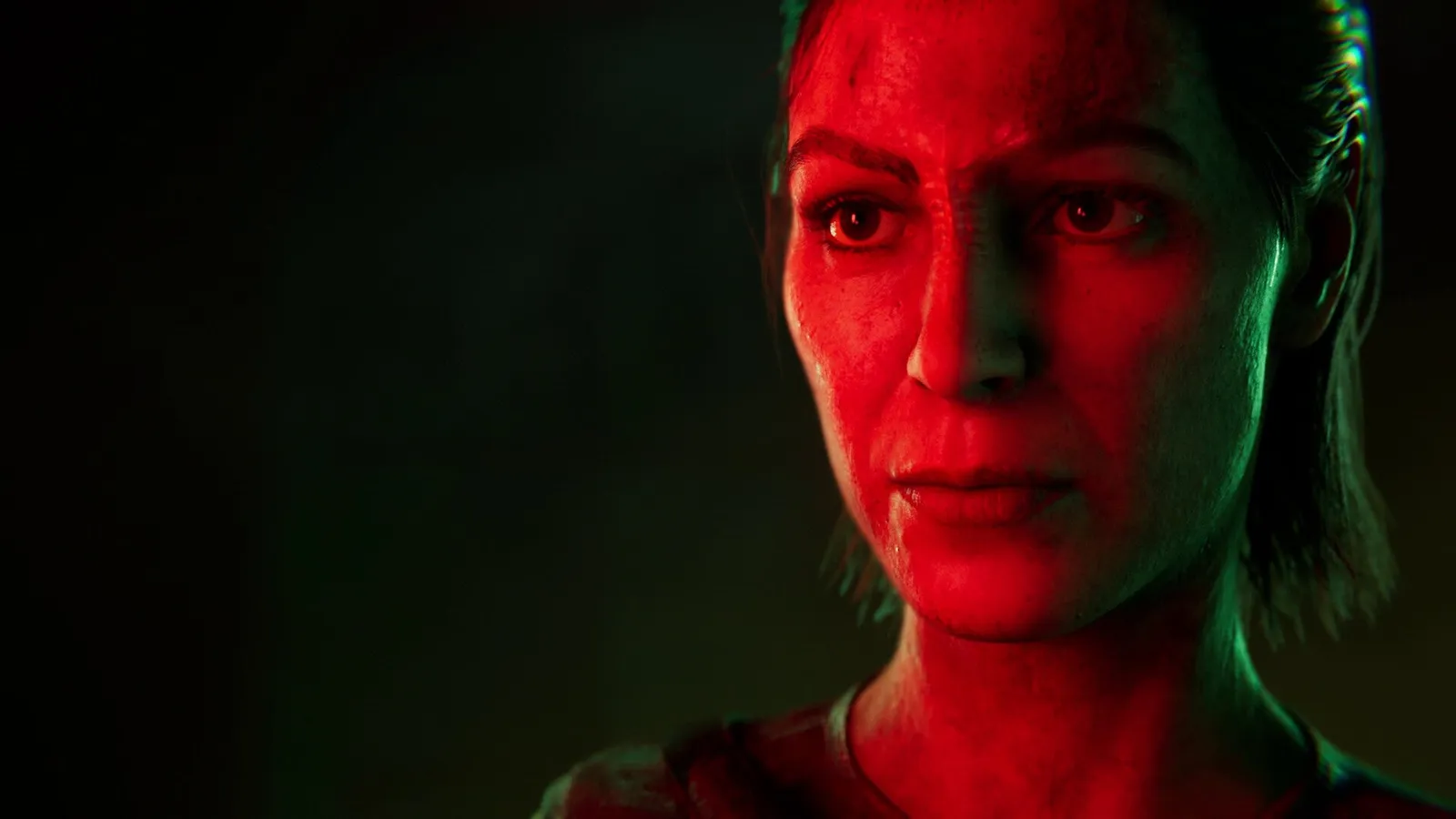
Shawn Kittelsen, senior vice president and head of creative and production at Paramount Games Studio, says the goal is for Bloober Team to make the best Star Trek game of all time. Paramount is investing heavily in Star Trek: Shadow Frontier, publishing it alongside other new releases as its games division ramps up.
Paramount Games Studio is not making a casual bet on Star Trek: Shadow Frontier. In an IGN Live reveal, Shawn Kittelsen, senior vice president, head of creative and production at Paramount Games Studio, laid out the ambition plainly: “The goal is for Bloober to make the best Star Trek game of all time, if we can bring that to life.”
And then the company put money and structure behind the claim. Star Trek: Shadow Frontier is being developed by Bloober Team, the developer behind the critically and commercially acclaimed Silent Hill 2 remake and Cronos: The New Dawn. Paramount is also investing heavily, choosing to publish the game itself rather than leaving that role to a third party. The reason matters for anyone tracking media companies turning IP into premium games: it is a direct attempt to control quality, messaging, and fan activation while the project is still malleable.
Now for the part that explains why Paramount thinks this might actually work. Kittelsen says Star Trek: Shadow Frontier is different from previous Star Trek games in a specific way: it is being made by a horror specialist, but it is positioned more as a “psychological thriller” than a traditional horror game. He compares it to Ninja Theory’s Hellblade series, rather than Bloober’s earlier hits like Silent Hill 2. The pitch is not “we brought horror to space.” It is “Star Trek can genre-bend, and Bloober can flex beyond horror.”
That genre-bending matters because Trek has long supported multiple storytelling modes. Kittelsen points to Star Trek’s wide range, describing it as able to go from a Victorian-era mystery vibe like Sherlock Holmes to interplanetary warfare on an epic scale. That flexibility is the opening. Bloober enters through character psychology instead of jump scares, with Paramount betting that the Ro Laren story will be the emotional engine. The game stars Michelle Forbes, reprising her role as Ro Laren, stranded on an alien planet, with Kittelsen arguing the character has never gotten enough spotlight for fans who loved her on The Next Generation.
In practice, Paramount is trying to align fandom expectations with a gameplay tone that justifies Bloober’s involvement. Kittelsen talks about the long-running “Roddenberry rule,” associated with Gene Roddenberry’s preference against interpersonal conflict among crew members, and how that later shifted storytelling toward intrapersonal conflict, “conflict within yourself.” He frames Ro Laren’s inner psychological conflict as the centerpiece of a survival-oriented psychological thriller where she has to survive on a strange planet. The line between Trek and Bloober, in other words, is not “space horror.” It is inward tension that still respects Trek’s emotional anchor.
That anchor is also part of Paramount Games Studio’s strategic logic. Kittelsen emphasizes that Trek has hopefulness and positive, optimistic Starfleet values. He says the series can go “really, really dark,” but it always needs an anchor in the light of “boldly going” to understand and communicate, not to seek and destroy. For executives, that is more than creative framing. It is a guardrail that helps reduce risk when you are commissioning a game from a studio with a recognizable brand. Instead of letting Bloober be pigeonholed, Paramount is asking Bloober to deliver a psychological intensity that still fits the franchise’s moral and emotional signature.
Paramount is also positioning the new division to move fast and learn in public. Paramount Games Studio stepped out last week with the reveal of Teenage Mutant Ninja Turtles: The Last Ronin from Bayonetta developer PlatinumGames. Turtles is very early in development, but Star Trek: Shadow Frontier is further along. According to Kittelsen, the Star Trek game was already in the works when Paramount formed its new video game division last year. Paramount liked what it saw, invested, and decided to publish it themselves, in part because it believed it could mobilize Paramount’s fan channels and the Star Trek fan base more effectively than a different publisher could.
That matters for the operational side of decision-making, because publishing is not only logistics. It is also distribution strategy, marketing focus, and what kind of message the market receives when the release lands. Kittelsen describes an iterative collaboration with Bloober, including how the studio developed a vertical slice that moved from “good to better to best,” which helped convince Paramount there was enough potential to justify self-publishing and deeper involvement. He also ties that involvement to maintaining an “authentic Trek experience” while ensuring it becomes a “high-quality game.”
Star Trek: Shadow Frontier is due out in 2027 for PlayStation 5, Xbox Series X and S, and PC. In the same segment, Paramount Games Studio is publishing Avatar Legends: The Fighting Game, which was recently delayed, and Amy Hennig’s Marvel 1943: Rise of Hydra, though that one will not be out until 2027 at the earliest. Paramount also says the AAA Avatar: The Last Airbender RPG is no more. For boards, studio leads, and portfolio investors, this cluster tells a story: the company is building a slate, but it is also making hard eliminations and choosing what gets funded through the most uncertain stage of the pipeline.
The strategic stakes are straightforward. If Paramount’s bet on Bloober and Ro Laren lands, it will prove that big franchise IP can be re-skinned into a different genre language without losing its identity. If it misses, it will be a costly signal that “control” does not always translate into “outcome.” Either way, Star Trek: Shadow Frontier is one of the clearest demonstrations yet of how media studios are reorganizing to own the game journey end-to-end, from creative direction to publishing execution.
This story's Key Insights and Take-aways are locked.
Create a free account to unlock Executive Actions for one credit.
Register to UnlockAlways free for Executives Club members. Join the Club
More in Entertainment

Russell Brand's accuser 'bewildered and confused' as he denies 7 sex charges
The criminal case against the comedian is a live test of how media companies manage talent risk when serious allegations go public.

'It's a Magic Trick': Ballet Experts Say Rosalía's SNL Pose Is Impossible
Three ballet experts tell Rolling Stone Rosalía's gravity-defying SNL stillness shouldn't be possible - and why the debate is now part of the show.

Activision CMO: GTA 6 Will Boost Call of Duty, Not Bury It
Activision's top marketer says Rockstar's blockbuster will drive players back to consoles and into Modern Warfare 4, even as the company admits its recent strategy failed.