
Parker and Stone: Why Trump Became South Park's Main Character
The creators explain how their satirical approach to comedy is directly tied to the current political climate and the need to comment on modern power.
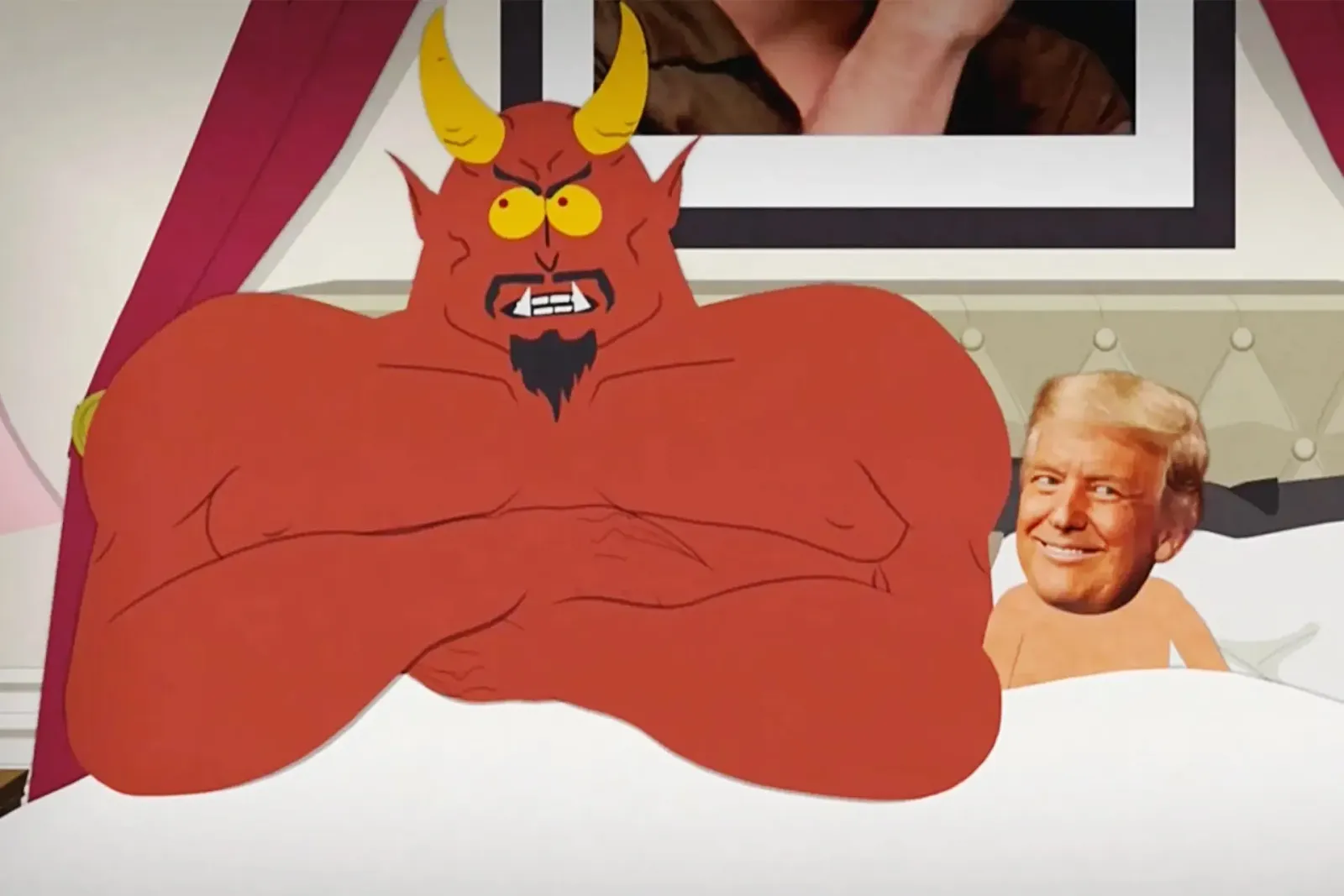
South Park creators Trey Parker and Matt Stone addressed the role of satire in modern comedy during the 19th Television Academy Honors. They explained that making Donald Trump a main character in the latest season is a direct reflection of the cultural moment and the necessity of addressing contemporary political figures.
When comedy creators Trey Parker and Matt Stone appeared at the 19th Television Academy Honors, they didn't just discuss the craft of satire; they delivered a pointed, highly visible statement about the relationship between art, political commentary, and the modern American cultural landscape. In their video spot, they explicitly detailed why they chose to make President Donald Trump a main character in the latest season of the iconic animated series, South Park. This decision was not merely an artistic choice; it was a calculated, satirical response to the perceived state of political discourse, suggesting that the figure of the President had become a central, unavoidable, and often absurd element of the cultural conversation itself. The show's enduring success, which has seen it evolve through multiple cultural shifts and political eras, relies on its ability to hold a mirror up to its audience, and in the current climate, that mirror pointed squarely at the White House.
Their discussion went beyond simply justifying the inclusion of a high-profile political figure. Parker and Stone used the platform to discuss the broader role of comedy in the world, framing it as a necessary, if sometimes uncomfortable, function of society. They positioned South Park not just as entertainment, but as a cultural barometer, a mechanism for processing the rapid, often bewildering, changes in American life. By making Trump a central figure, they were essentially arguing that the political figure himself had become the most compelling, and therefore the most necessary, subject matter. The show’s creators are masters of the escalating premise, taking a single, absurd premise and running with it until it reaches a satirical breaking point. This methodology requires a target that is large enough, and volatile enough, to sustain multiple seasons of escalating absurdity, and by that measure, the presidency provided an endless source of material.
For those tracking the economics of cultural relevance, this moment is instructive. The longevity of South Park is a case study in intellectual property resilience. It has survived multiple platform shifts, changing comedic tastes, and, most critically, multiple administrations. Its ability to remain relevant while maintaining a sharp, often controversial, edge suggests a deep understanding of its core audience's appetite for unvarnished truth, even when that truth is wrapped in cartoon violence. The show's model is one of high-risk, high-reward satire. It knows that to be truly funny and culturally resonant, it must be timely, and timeliness, in the current political climate, is synonymous with the most visible, most controversial figures. This dynamic creates a powerful incentive structure: the more outrageous the political moment, the more material the show has, and the more critically acclaimed it risks becoming.
Analyzing the mechanics of this decision reveals a sophisticated understanding of media consumption. South Park doesn't just react to the news; it processes the news through a highly stylized, exaggerated lens. This process of exaggeration is a form of cultural commentary itself. It suggests that the creators view the political figure not just as a person, but as a character-a recurring, flawed, and highly dramatic archetype. This framing allows them to critique the behavior and the persona rather than just the policy, which is often a safer and funnier ground for satire. The show’s ability to pivot its focus from, say, a local school issue to a national political spectacle demonstrates a flexible, almost predatory, relationship with its source material: the public sphere itself.
From a broader industry perspective, the decision to make a political figure the main character speaks to the current state of attention economics. In a saturated media environment, attention is the scarcest resource. To capture and hold the attention of a broad, ambitious, and highly engaged audience, the content must be immediately recognizable, emotionally charged, and deeply topical. Political figures, especially those who generate constant headlines, provide this perfect storm of recognition and emotional charge. The show is essentially capitalizing on the built-in, 24/7 news cycle that surrounds the presidency, turning political volatility into a sustainable, high-quality content stream. This is a masterclass in content monetization through cultural commentary.
Furthermore, the creators' willingness to engage in such pointed satire suggests a confidence in their brand and their audience's tolerance for controversy. They are signaling that they are not afraid of the backlash, which is often the ultimate proof of a successful satirical venture. This confidence is a valuable asset for any creative enterprise. It tells the market that their brand is built on edge, not consensus. For other creative ventures, this implies that the highest returns often come from taking a clear, visible stance, even if it alienates some segments of the audience. The risk of controversy is priced into the product, and the potential reward-cultural dominance and critical acclaim-is worth the gamble. The message is clear: to be seen, you must be bold, and to be relevant, you must be timely. The political landscape, therefore, is not just the subject matter; it is the engine driving the entire creative output, making the show a direct reflection of the current, high-stakes, and often ridiculous nature of modern power.
This story's Key Insights and Take-aways are locked.
Create a free account to unlock Executive Actions for one credit.
Register to UnlockAlways free for Executives Club members. Join the Club
More in Entertainment

Christopher Nolan’s “The Odyssey” posts his biggest Tuesday haul, surpassing “The Dark Knight’s” record
The film’s Tuesday breakout reframes Nolan’s box-office ceiling and forces competitors to rethink timing, budgets, and release strategy.

Kacey Musgraves cancels Aug. 20, 29, Sept. 2 Middle of Nowhere shows
Ticketmaster emails are telling fans refunds are coming, while the tour still starts Aug. 21 in Chicago.

Billie Joe Armstrong launches Epiphone Les Paul Junior and Marshall 1959BJA signature gear
Two limited releases turn decades of Green Day’s tone into branded hardware, including Marshall’s first artist amp in 14 years.