

Parker Brothers shipped an official James Bond game in 1984. It reused arcade DNA anyway
The 007 video game debut bundled four films, but stayed essentially the same flawed arcade mashup.
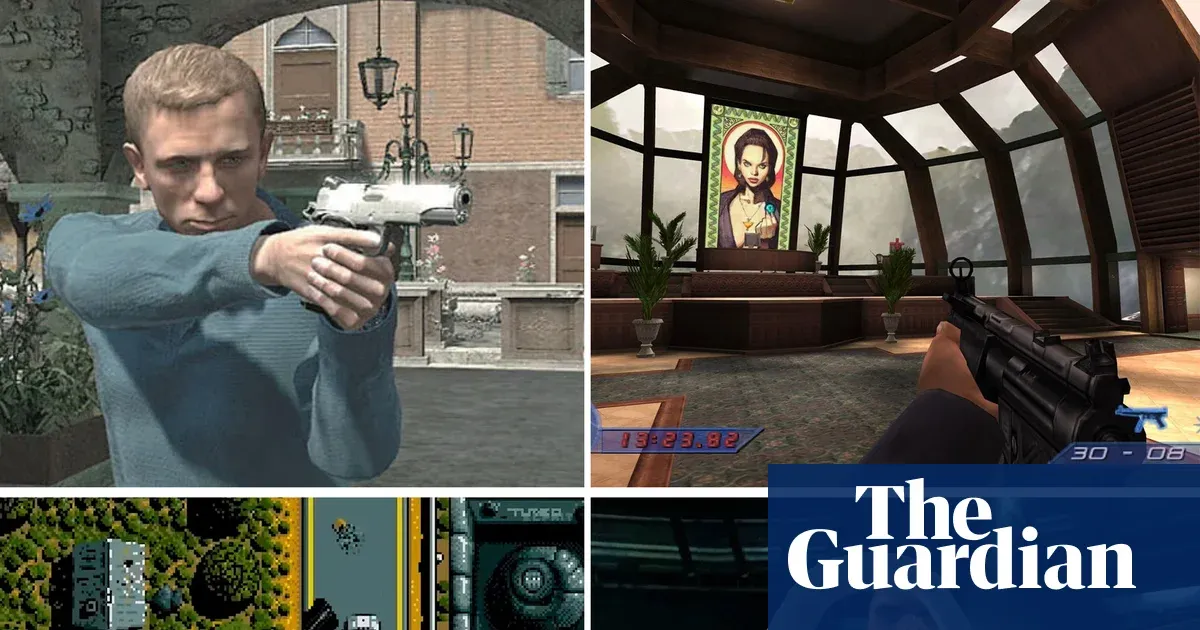
Parker Brothers released the first official James Bond video game in 1984, grouping Diamonds Are Forever, The Spy Who Loved Me, Moonraker, and For Your Eyes Only into one package. For decision-makers, it is a case study in how franchise licensing can look compliant while gameplay design quietly undermines the product.
Interactive takes on MI6’s globetrotting spy have been around almost as long as the films. But licensing a cultural juggernaut does not automatically produce a juggernaut game. The history is chequered, with notable hits, flops, and genuinely odd experiments, and the 1984 entry is where you can see the pattern forming.
Bond finally arrived in an official video game capacity in 1984, courtesy of Parker Brothers. The game grouped several 007 adventures, including Diamonds Are Forever, The Spy Who Loved Me, Moonraker, and For Your Eyes Only, bundling pieces of each movie into a single experience. On paper, that sounds like a fan’s dream: multiple films, one official release, and the promise of globetrotting set pieces.
The catch is that the game “was essentially the same game throughout.” Even with movie elements from each segment, it was an unsatisfying and tricky mashup of the arcade games Moon Patrol and Scramble. That matters because it reframes what “official” meant here. The brand was present, but the core design DNA was inherited from older arcade mechanics rather than shaped into a faithful, cohesive Bond experience. In other words, the franchise wrapper and the product reality did not line up.
The way players interacted with Bond also reflects the mismatch. In this Parker Brothers release, the player controlled Bond’s amphibious Lotus from The Spy Who Loved Me. That choice signals how the game leaned on recognizable props and beats, yet still delivered them through borrowed gameplay systems. For executives, the second-order lesson is not “make it harder” or “make it easier.” It is that bundling movie content does not fix fundamental design problems. When the underlying structure is the same across “different” chapters, players experience variety as costume changes, not as different game-feel. That is how you end up with the kind of unsatisfying repeat that can sink a licensed title.
There is also a reminder that franchise games do not only inherit player expectations. They inherit legal and production complexity. The source notes an obscure pub trivia fact tied to the Bond movie ecosystem: due to the dispute between Bond producers Eon and screenwriter Kevin McClory, the Diamonds Are Forever segment replaced Blofeld with a villain named Seraffino. This is a vivid example of how copyright and authorship disputes can propagate into interactive media. Even when a game is trying to tell a story via scenes and characters, the cast can be altered by matters that players might never know about.
In modern terms, the “compliance” box on a licensing deal can still leave a product exposed. A studio might secure the rights to use certain film moments, characters, and branding, but still be forced into substitutions driven by upstream disputes. And because those substitutions can happen segment by segment, you get an uneven narrative experience: one villain slot changed, one plot element shifted, and the player’s internal logic can feel off even if the title is officially “Bond.” Board members and investors watching digital entertainment recognize the pattern: content pipelines are only as stable as the intellectual property ecosystem feeding them.
Market context also matters. Video games in the 1980s were not built like today’s sprawling worlds. They were often constrained by hardware, production timelines, and the economics of reusing proven systems. That helps explain why a licensed game might lean on arcade DNA like Moon Patrol and Scramble, even when the franchise license tempts you to think you can create something bespoke. But the strategic stakes remain. If the gameplay loop does not match the franchise fantasy, the brand becomes less of a moat and more of a spotlight. Players judge the product against what they expect from Bond, and if the experience feels tricky without delivering the cool, cinematic payoff, the criticism hits harder.
So what does this mean for decision-makers building or funding branded games, or even for boards reviewing creative risk? The 1984 Parker Brothers release shows how three forces can collide: licensing ambition, inherited design constraints, and upstream IP disputes. You can ship an official Bond game, include multiple film segments, and still fail to deliver a satisfying Bond experience if the core mechanics stay the same. And when character substitutions occur because of disputes like the Eon versus Kevin McClory disagreement, even the story veneer can fracture.
For executives evaluating franchise strategy, the strategic takeaway is clear. The “official” label does not guarantee product-market fit. Fans will feel whether the game is built for them or merely assembled from licensed surface area and older mechanics. In a crowded games market, that gap is where reputations are won or lost, and where future licenses either accelerate or stall.
This story's Key Insights and Take-aways are locked.
Create a free account to unlock Executive Actions for one credit.
Register to UnlockAlways free for Executives Club members. Join the Club
More in Entertainment

Russell Brand's accuser 'bewildered and confused' as he denies 7 sex charges
The criminal case against the comedian is a live test of how media companies manage talent risk when serious allegations go public.

'It's a Magic Trick': Ballet Experts Say Rosalía's SNL Pose Is Impossible
Three ballet experts tell Rolling Stone Rosalía's gravity-defying SNL stillness shouldn't be possible - and why the debate is now part of the show.

Activision CMO: GTA 6 Will Boost Call of Duty, Not Bury It
Activision's top marketer says Rockstar's blockbuster will drive players back to consoles and into Modern Warfare 4, even as the company admits its recent strategy failed.