

Paul Rabil bets on 2028 LA Olympics return to lure PLL owners by 2028
The Premier Lacrosse League co-founder says team ownership is the next big milestone, anchored to lacrosse going Olympic in 2028.
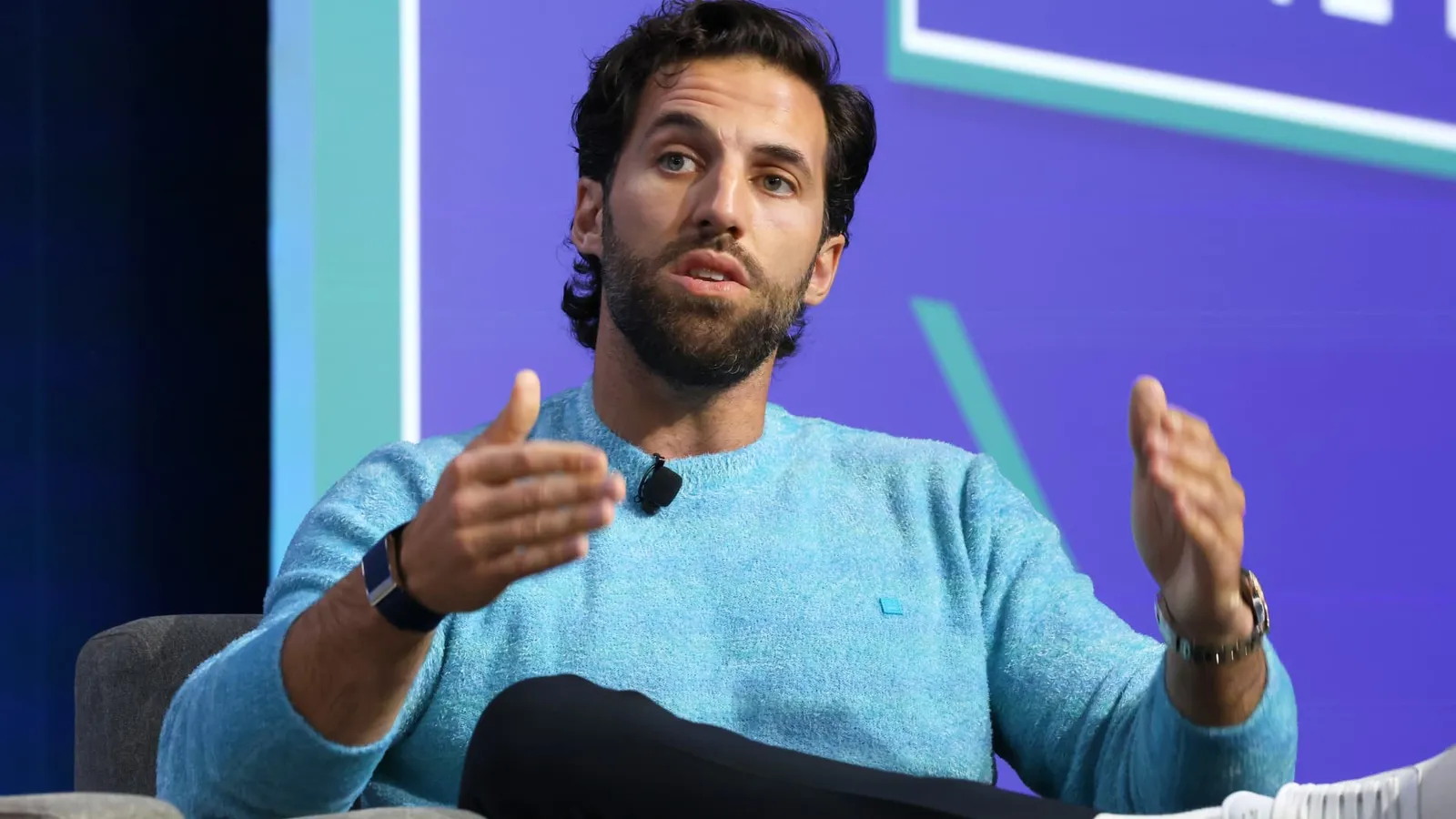
Paul Rabil, co-founder of the Premier Lacrosse League (PLL), told CNBC he is planning to bring in team owners by 2028, or soon thereafter. His timeline is tied to the 2028 Los Angeles Summer Games, where lacrosse returns as an Olympic sport, creating a spotlight he expects to boost the league’s visibility.
Paul Rabil, co-founder of the Premier Lacrosse League, is not just building teams. He is building a capital story, too. In comments to CNBC, Rabil said he is banking on the 2028 Los Angeles Summer Games, where lacrosse will return as an Olympic sport, to shine a spotlight on the PLL. And he explicitly framed that spotlight as part of the roadmap to bringing in team owners by 2028, or soon thereafter.
That linkage matters because “team owners” is not a casual phrase in sports. It signals a transition from a league that is trying to prove itself, to a league that is ready for deeper investment, longer-term incentives, and board-level commitments. Rabil is essentially saying: when lacrosse becomes an Olympic sport in LA in 2028, the PLL should be positioned to capitalize on the surge in mainstream attention. In other words, the Olympics are the megaphone, and ownership is the volume.
Zoom out one layer and you can see why this kind of timing is rational. Olympic inclusion is one of the few moments when an entire sport gets a credibility and distribution upgrade at once. Coverage expands beyond the usual lacrosse crowd. Sponsors that may have skimmed the sport for years often re-evaluate when it becomes medal-relevant. Broadcasters and rights holders take sports they can package cleanly, with global recognition, and lacrosse checks that box when it is on the Olympic stage. For a league like the PLL, which competes for attention in a busy sports calendar, a once-in-a-cycle global spotlight can accelerate fan growth and sponsor interest in a way that normal marketing budgets cannot.
There is also the governance side. Bringing in team owners typically changes how a league thinks about stability and returns. Investors and owners rarely want a league that feels temporary. They want a credible path to media demand, attendance growth, and sponsor dollars. If Rabil believes 2028 Olympics attention can create that credibility, it is a strategy built around de-risking. He is aligning ownership conversations with a global event that can compress awareness from “niche but passionate” to “legit and widely watched” on a compressed timeline.
This is where board dynamics and incentive design come into play. In emerging league ecosystems, founders and operators often have to choose between building quickly or building in a way that attracts outside ownership without forcing a painful rewrite later. If team ownership comes “by 2028 or soon thereafter,” that suggests PLL wants ownership to arrive after a milestone that can justify valuation, reduce uncertainty, and create a narrative investors can underwrite. Olympics-linked sports usually have a stronger story for why the audience should be durable. That is important when you are trying to sell not just a season, but a business.
Rabil’s comments also highlight a second-order implication that executives should take seriously: even if you are not directly involved in lacrosse, the pattern repeats across sports. Leagues that successfully monetize an attention spike tend to treat the spike as a runway, not a fireworks show. The winners are the organizations that can convert visibility into repeat viewership, institutional sponsorship relationships, and pathways for athletes to stay engaged. If the PLL successfully capitalizes on Olympic momentum, it can create a feedback loop: more attention leads to stronger commercial deals, which supports better product, which leads to more ownership appetite.
But there is no free lunch. Olympic return does not automatically guarantee that a summer league becomes the default destination for newly minted fans. Fans discover the sport in a specific format, then they have to learn where to watch it during the rest of the year. That means the PLL has to make the conversion effort match the moment. The “spotlight” Rabil expects from LA 2028 is a catalyst, not a guarantee. The league will still have to deliver compelling games, accessible storytelling, and a product that retains interest after the Olympic halo fades.
For decision-makers watching from adjacent sports, this is a useful lesson in calendar strategy. A league’s capital plan is often constrained by what the market will believe. By anchoring ownership timing to 2028, Rabil is trying to align investor psychology with an external credibility event. That can make it easier to bring in team owners because it offers a clearer reason for why the timing is now. If it works, the PLL could look less like a league that’s waiting for mainstream acceptance, and more like a platform that timed its growth to the moment the world started paying attention.
This story's Key Insights and Take-aways are locked.
Create a free account to unlock Executive Actions for one credit.
Register to UnlockAlways free for Executives Club members. Join the Club
More in Business
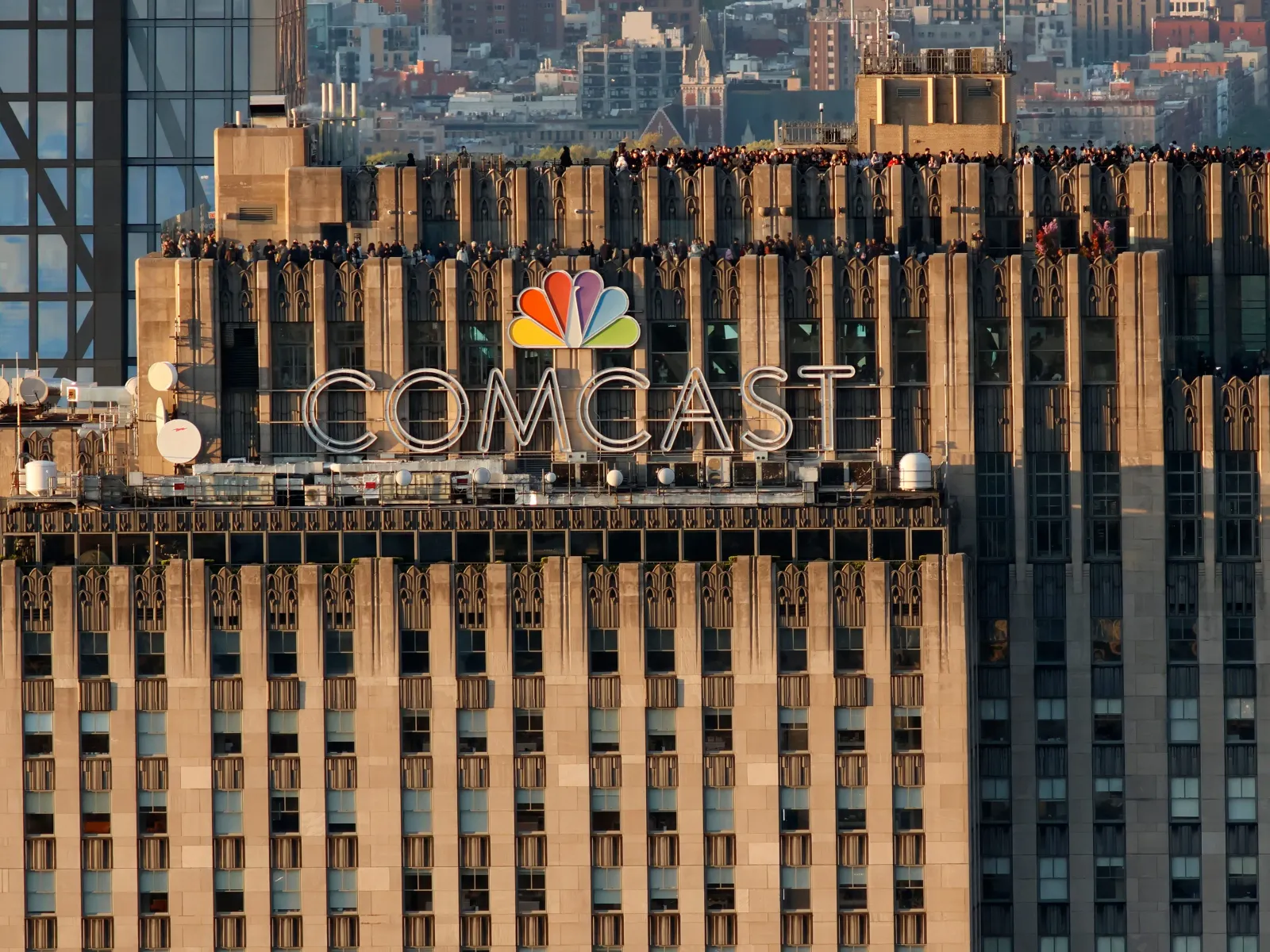
Comcast shares jump 25% as it plans to split NBCUniversal and Sky
The tax-free spin-off could reshape focus, funding, and competition across media and tech for years.

Bungie cuts most Destiny 2 staff as Sony says Marathon still matters
Herman Hulst confirms layoffs affecting most Destiny and some Marathon teams after Bungie admits Destiny fell short.

SK Hynix jumps 11% after seeking up to $29.4B in Nasdaq listing
The chip giant filed for a Nasdaq listing plan that could raise $29.4 billion, instantly reshaping investor expectations.