

Paweł Sasko thanks players as Cyberpunk 2077 hits 40 million copies sold
CD Projekt Red’s joint CEO and quest lead publicly credit support, as sales jump 5 million from November.
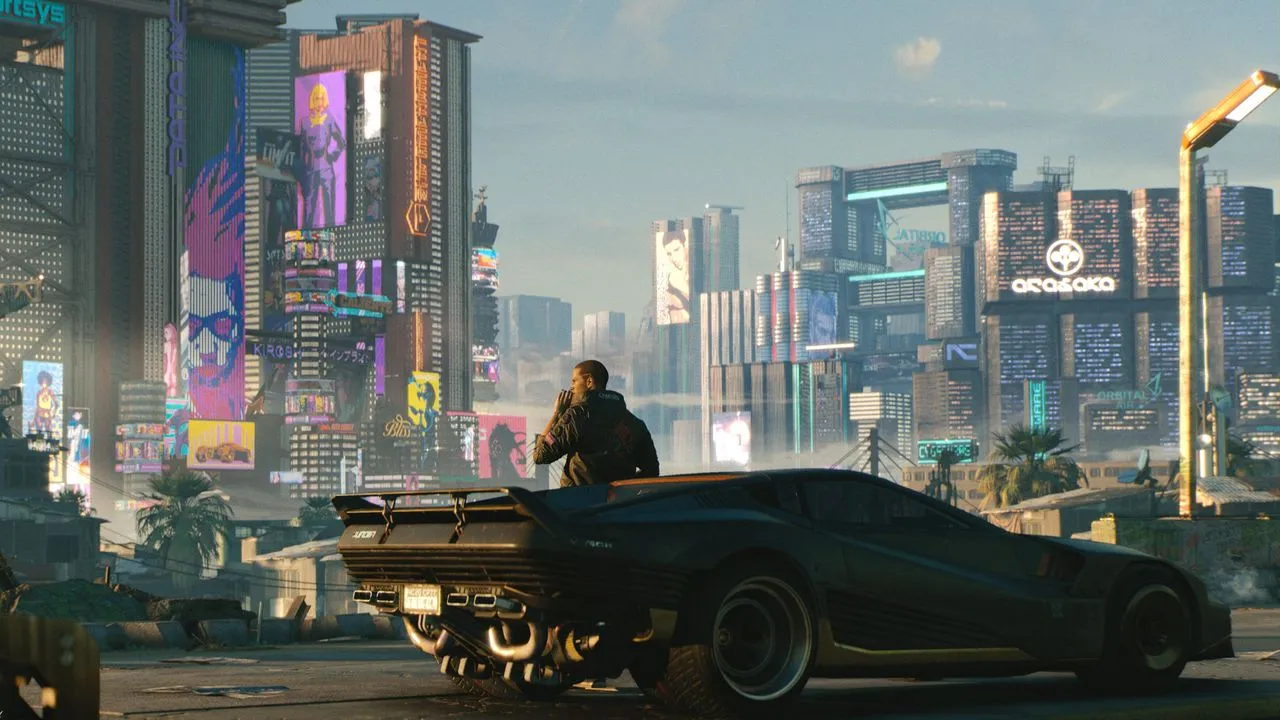
CD Projekt Red joint CEO Michał Nowakowski and lead quest designer Paweł Sasko celebrate Cyberpunk 2077 reaching over 40 million copies sold. For decision-makers, it signals how a shaky launch can be reversed into durable commercial momentum through sustained product work and expansion.
Cyberpunk 2077 just cleared the 40 million copies milestone, and the people who built the quest content are not treating it like a footnote. On July 3, 2026, CD Projekt Red joint CEO Michał Nowakowski highlighted “another big milestone for Cyberpunk 2077 sales” in a Twitter thread, writing, “Thank you for your continuous support! Night City welcomes all travelers.” That is the corporate headline version. Then comes the developer, Paweł Sasko, lead quest designer and Cyberpunk 2 associate game director, posting directly to fans: “Incredibly thankful for your amazing support, my chooms,” adding, “You are the reason we can do all this work, entertain and delight you.”
The specific number matters because it is not just “more sales.” The report frames the jump as moving to over 40 million copies, which is “five million more” than CD Projekt Red revealed in November last year, when it said Cyberpunk 2077 reached 35 million copies. It took roughly “eight months or so” to add those five million, and the context underlines why that is notable. The game is an older release by modern standards, having launched “about six years” earlier, yet it is still climbing. In other words, this is not a hype spike. It is the slow-burn kind of momentum that product teams, boards, and investors care about because it tends to correlate with retention, ongoing monetization, and the credibility that attracts new buyers.
To understand why executives should pay attention, zoom out to how CD Projekt Red positioned this game. The source explicitly calls the launch “initially disastrous,” then points to a turnaround that came from “put in the work” to improve quality to match CD Projekt Red’s other major title, The Witcher 3. It also name-checks the Phantom Liberty expansion as part of the reason quality eventually landed closer to expectations. That combination, a long recovery period plus a major expansion, is the commercial model behind the kind of sales stability being celebrated now. When fans keep showing up years later, it reduces the volatility that typically haunts big-budget games.
There is also a strategic sequencing story baked into the acknowledgements. Sasko is not just a historical credit in the story. He is described as lead quest designer and Cyberpunk 2 associate game director. So when he thanks players for letting the team “do all this work,” it functions as an implicit bridge between the Cyberpunk 2077 era and the next production cycle. Executives often think of “live continuity” as a marketing concept. Here, it reads more like an organizational reality: people who authored the experience are now tied to the next project, and sales milestones give internal teams and external stakeholders a shared scoreboard.
Now, zoom into the public communication itself, because corporate celebrations can reveal incentives. Nowakowski chose a classic CEO register: milestone, gratitude, and a welcoming line, “Night City welcomes all travelers.” Sasko chose the more personal “my chooms” and a direct line to creative labor: “You are the reason we can do all this work, entertain and delight you.” That matters for decision-makers because it shows two complementary narratives. The executive narrative is about sustained commercial success. The creative narrative is about validation for the hard, long, sometimes invisible work that comes after launch when the first impression does not go well.
And for anyone tracking platform-adjacent business risk, Cyberpunk 2077’s comparison to The Witcher 3 is a reminder of how franchises compound. The source says that in November last year, Cyberpunk 2077 outpaced The Witcher 3 in its five-year success with 35 million copies sold. That means the RPG not only reached a number, it reached it in a way that reorders the internal hierarchy of CD Projekt Red’s catalog performance. When one flagship beats another, boards typically reassess assumptions: pricing power, release cadence, and how much to invest in expansions versus waiting for a full sequel.
Finally, the strategic stakes extend beyond CD Projekt Red. Upcoming titles mentioned in the source include Cyberpunk 2 and other CD Projekt Red games such as The Witcher 4. The article even ties in a separate example of how “Limitation sparks creativity,” referencing a quest lead turning one character’s appearance into “part of the story” because CD Projekt Red “couldn't afford the alternative.” That anecdote is not about sales numbers, but it reinforces the same pattern: constraints and fixes, applied repeatedly over time, can become identity. For executives at peer studios, the takeaway is simple but uncomfortable. A bad launch can be survivable, but it demands sustained follow-through. If you are betting on long-term value, you need the discipline to keep shipping improvements, not just launch and hope.
So when you see the 40 million line, do not just read it as celebration. Read it as a signal that durable revenue can follow creative correction. And if you are leading a studio, investing in one, or allocating budget for the next “big one,” it is a reminder that the scoreboard is not frozen on day one. For some games, it only starts to get honest years later, when players keep coming back.
This story's Key Insights and Take-aways are locked.
Create a free account to unlock Executive Actions for one credit.
Register to UnlockAlways free for Executives Club members. Join the Club
More in Business

Comcast shares jump 25% as it plans to split NBCUniversal and Sky
The tax-free spin-off could reshape focus, funding, and competition across media and tech for years.

Bungie cuts most Destiny 2 staff as Sony says Marathon still matters
Herman Hulst confirms layoffs affecting most Destiny and some Marathon teams after Bungie admits Destiny fell short.

SK Hynix jumps 11% after seeking up to $29.4B in Nasdaq listing
The chip giant filed for a Nasdaq listing plan that could raise $29.4 billion, instantly reshaping investor expectations.