

PayPal board rejects Stripe and Advent’s $53bn bid as too low
Directors say the $53bn joint offer underprices PayPal and has not even triggered a formal response yet.

PayPal’s board has rebuffed a $53bn (£39bn) joint takeover approach from Stripe and private equity firm Advent International, according to people familiar with talks cited by Reuters. The consequence is immediate: the payments consolidation narrative now has a clear hurdle, and it changes how other suitors may price the next move.
PayPal’s board is pushing back on a $53bn (£39bn) joint takeover approach from Stripe and Advent International. According to people familiar with the talks, the directors believe the offer sells PayPal short and have not yet responded formally. That matters because in a consolidation wave where deals move fast, “too low” is not just a negotiating stance, it is a signal to the market about what PayPal thinks it is worth.
The headline number here is the whole story: $53bn. The sources Reuters spoke to say the board’s view is that this valuation is inadequate, and that the directors have yet to make a formal move in response. In other words, this is not an automatic yes, not a perfunctory “we’re reviewing it,” and not a completed process where the board’s hand is forced. It is a board actively deciding the price reality does not match the asset reality.
Zoom out and the timing gets more interesting. The payments industry has been in a fast-moving consolidation phase, and PayPal sits at the center of it. Stripe is a payments platform with strong developer gravity, while Advent International represents a different kind of buyer, typically focused on value creation through ownership and restructuring rather than purely strategic integration. A joint approach from a platform operator and a private-equity firm is exactly the kind of coalition that tends to show up when companies believe the window for buying capabilities and customer relationships is narrowing.
In that context, an “inadequate” offer from a credible bidder matters even more than the headline itself. Boards do not usually reject bids unless they believe they can credibly do better. And even if the $53bn number is under active discussion, a board’s reaction shapes how other potential bidders behave. It tells them what the seller’s internal floor might look like, at least at this moment in time.
There is also a process angle. The sources say PayPal has not yet responded formally. That suggests the board is either still evaluating, preparing a response strategy, or coordinating internal and legal steps before going public. In takeover situations, speed can be weaponized by both sides. If the buyer wants certainty, delaying a formal response can force them back to the table with a revised proposal. If the seller wants optionality, withholding a formal stance keeps pathways open.
Regulatory and scrutiny dynamics are part of the background for deals of this size in payments. While the source does not spell out regulators or approvals, the broader reality is that payments businesses operate under licensing and compliance frameworks and sit close to consumer money movement. That means transaction reviews can add time, complexity, and uncertainty to the economics of a deal. When boards think those hurdles could exist, they often price risk into their valuation. If a bid does not reflect that risk, “too low” becomes more than a negotiating preference, it becomes a business case.
Second-order implications extend beyond PayPal and into how Stripe and Advent might adjust their strategy. If the board is publicly signaling inadequacy, the bidders can either raise their offer, change deal structure, or bring additional terms to improve economics or reduce risk. Even though the source only says the directors view the offer as inadequate and have yet to respond formally, the market typically reads “inadequate” as a rejection of valuation, not necessarily a rejection of the transaction idea. That distinction matters for what happens next.
For decision-makers across similar boards, this is a reminder of how consolidation stories get decided. The narrative about payments consolidation may be broad, but the outcome in any specific case often comes down to one question: does the buyer’s number match the seller’s view of future cash flows, competitive position, and integration risk. In PayPal’s case, that question is already answered at least partially: the board’s view is that $53bn is not enough.
If you are an executive tracking payments M&A, the takeaway is simple but high-stakes. Bids do not automatically clear just because they are large. They clear only when the target’s board believes the price is fair enough to justify moving forward, especially when regulatory friction and deal uncertainty are real possibilities. Today, PayPal’s board is drawing that line.
This story's Key Insights and Take-aways are locked.
Create a free account to unlock Executive Actions for one credit.
Register to UnlockAlways free for Executives Club members. Join the Club
More in Business

Uber buys Delivery Hero for nearly $15B, vaulting to top food delivery outside China
The deal doubles Uber's dual-services footprint and pushes a ride-and-eats bundling play into 50 more markets.

Epic and Google drop settlement bid, forcing rival Android app stores by July 22
Google told the court it is ready to carry third-party app stores starting Wednesday, July 22.
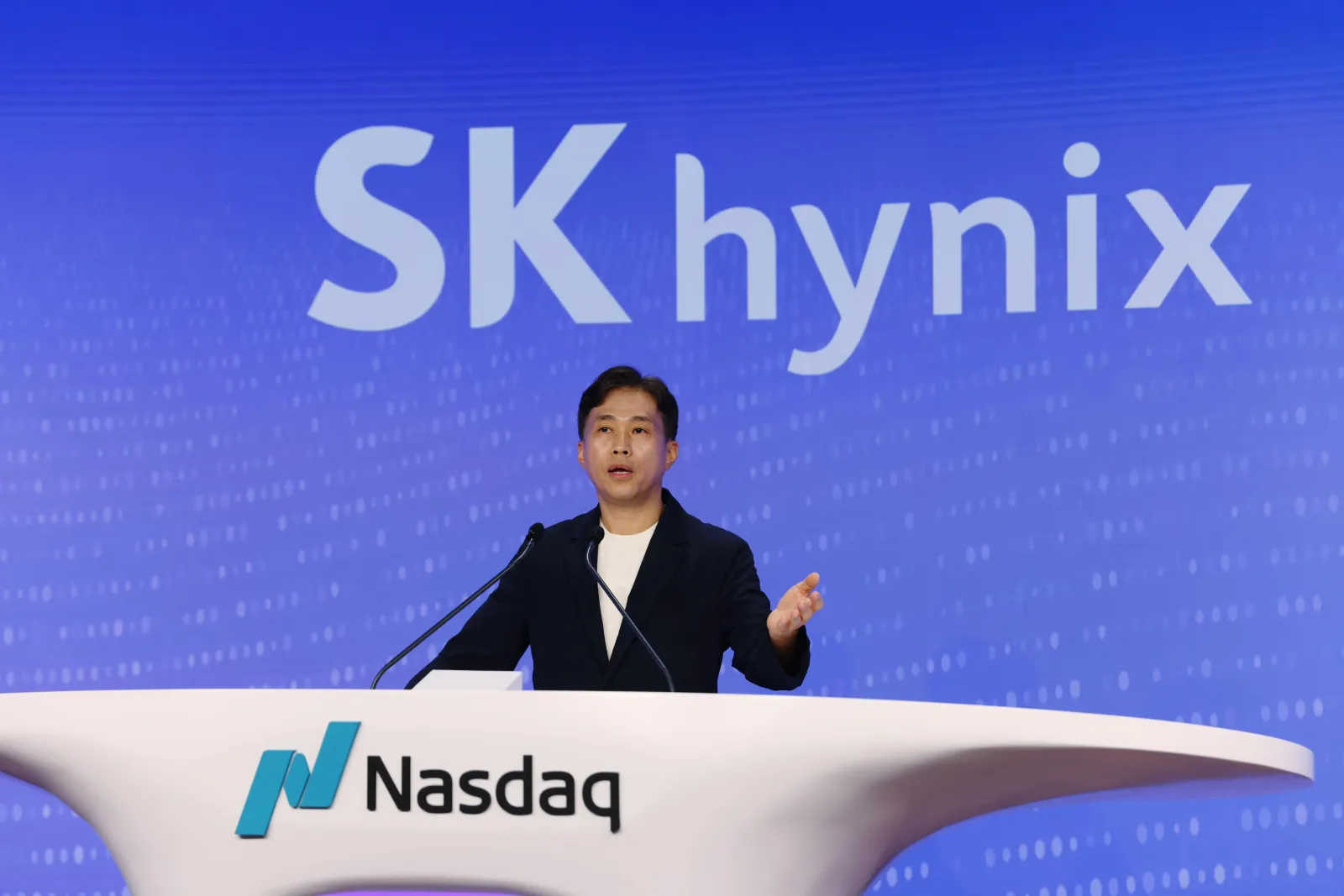
SK Hynix opens at $170, raises $26.5B, and tops foreign IPO records
In Friday's Wall Street debut, SK Hynix turns AI RAM demand into a $26.5B fundraising moment that rewrites comps.