

Pelley: New Owner Casting '60 Minutes' Aside for Trump Favor
A high-profile exit note accuses Paramount's Skydance of sacrificing journalistic integrity for political favor, raising questions about media ownership and editorial independence.
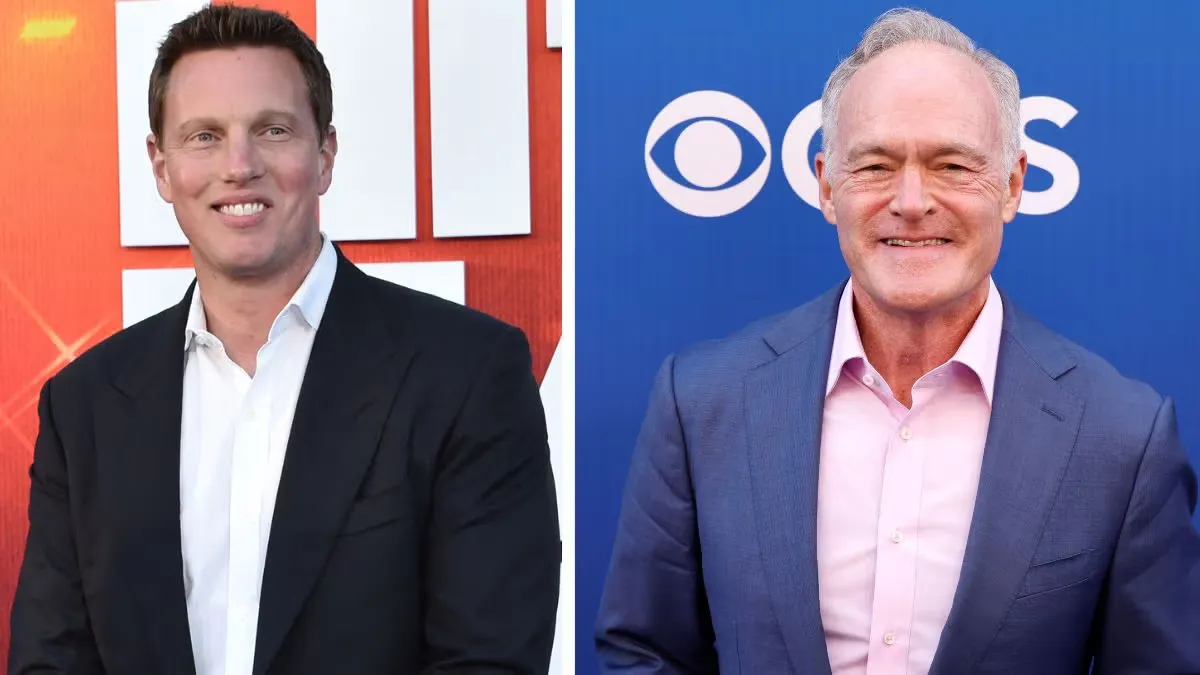
Former '60 Minutes' correspondent Scott Pelley publicly accused CBS News owner David Ellison and Paramount Skydance of sacrificing the program's journalistic integrity. This signals a major internal conflict over editorial control, potentially impacting the valuation and operational independence of major broadcast news assets.
Former '60 Minutes' correspondent Scott Pelley delivered a blistering exit statement, accusing CBS News owner David Ellison and Paramount Skydance of deliberately sidelining the storied newsmagazine to gain favor with the Trump administration. Pelley stated, 'Now, the new owner of our network is casting this legend aside, apparently to curry a moment of favor with the Trump administration. The waste is heartbreaking.' His departure follows a period of intense internal conflict, including a clash with Executive Producer Nick Bilton, and centers on deep disagreements over the program's editorial direction and perceived political bias.
Pelley's accusations are highly specific, alleging that '60 Minutes' lost its core identity, or 'DNA,' due to the firing of senior leadership and two of his best on-air correspondents without cause. He further claimed that 'new management' had instructed him to inject falsehoods and bias into politically sensitive stories, stating, 'I’ve been told to include assertions that are unverified.' He also raised the alarm that politicians were being invited to choose correspondents for interviews, a practice he deemed inappropriate for the program. These claims paint a picture of a newsroom under severe internal strain, where the pursuit of political alignment allegedly superseded journalistic standards.
For context, the ownership shift is complex. Paramount Skydance is currently seeking final approval from Trump's Department of Justice regarding the merger with Warner Bros. Discovery. This regulatory backdrop is central to Pelley's claim that the ownership change is driving the editorial shift. Pelley emphasized the historical significance of the program, noting that '60 Minutes' has been 'the number-one program in America for decades' and that its success is rooted in its ability to deliver 'integrity, quality and humanity in our stories.' He highlighted the program's recent growth, noting an 'unheard-of 9% jump in viewers on CBS' at the end of its 58th season, suggesting the brand's inherent value remains high despite the turmoil.
Pelley's departure is not merely personal; it is a public indictment of the corporate stewardship of a major American institution. He argued that the principles he held dear-fairness against political bias and professionalism against chaos-were eroding. He stated that the leadership of '60 Minutes' was 'no longer recognizable,' forcing his resignation. This level of public dissent from a high-profile correspondent signals that the internal struggle is over fundamental values, not just personnel changes. The stakes are the perceived credibility of the news brand itself, which is a core asset for any media conglomerate. When the internal guardrails of journalistic ethics are questioned, the market value of the content suffers.
Adding to the drama, Pelley also cited instances of operational instability, recalling a time when the entire program came within 19 minutes of not airing at all due to incompetence. He framed his departure as a necessary act to preserve the program's integrity, stating, 'The principles I hold dear are gone, and so I must leave as well.' His final message was a plea for a return to 'sanity, competence, and courage,' expressing gratitude to the colleagues who encouraged him, even at personal risk. This narrative frames the exit as a principled stand against corporate drift, a narrative that resonates strongly with both the public and the industry.
Meanwhile, other staff members, like Executive Producer Nick Bilton, offered a different perspective. Bilton defended his actions, stating he had made 'repeated attempts to have direct conversations' with Pelley over the weekend and that he was committed to finding common ground. Bilton voiced his 'unyielding support' to the remaining staffers, suggesting the conflict was more about personal choice than institutional failure. This contrast between the two accounts highlights the deep, unresolved fracture within the newsroom, making the story a microcosm of broader tensions in the media industry regarding ownership, profit motives, and editorial freedom.
For decision-makers, the takeaway is that media assets are increasingly vulnerable to the intersection of regulatory change and political capital. The ownership structure, particularly one undergoing a major merger and regulatory review (like the one involving Paramount Skydance and the DOJ), introduces immense pressure to align content with the interests of the new controlling stakeholders. This pressure can create a dangerous incentive structure, where perceived political favor becomes a more valuable commodity than objective reporting. Executives must model for this risk, recognizing that the perceived loss of editorial independence can trigger high-profile talent exits and public relations crises that damage the brand's premium positioning, regardless of the underlying financial health of the parent company. The cost of perceived bias is often higher than the cost of the merger itself.
This story's Key Insights and Take-aways are locked.
Create a free account to unlock Executive Actions for one credit.
Register to UnlockAlways free for Executives Club members. Join the Club
More in Entertainment

Christopher Nolan’s “The Odyssey” posts his biggest Tuesday haul, surpassing “The Dark Knight’s” record
The film’s Tuesday breakout reframes Nolan’s box-office ceiling and forces competitors to rethink timing, budgets, and release strategy.

Kacey Musgraves cancels Aug. 20, 29, Sept. 2 Middle of Nowhere shows
Ticketmaster emails are telling fans refunds are coming, while the tour still starts Aug. 21 in Chicago.

Billie Joe Armstrong launches Epiphone Les Paul Junior and Marshall 1959BJA signature gear
Two limited releases turn decades of Green Day’s tone into branded hardware, including Marshall’s first artist amp in 14 years.