

Pentagon scrambles for cheaper Reaper substitutes after Iran kills $1B worth of drones
The Defense Innovation Unit now wants cost-effective hunter-killer drones meant to lose and still overwhelm air defenses.
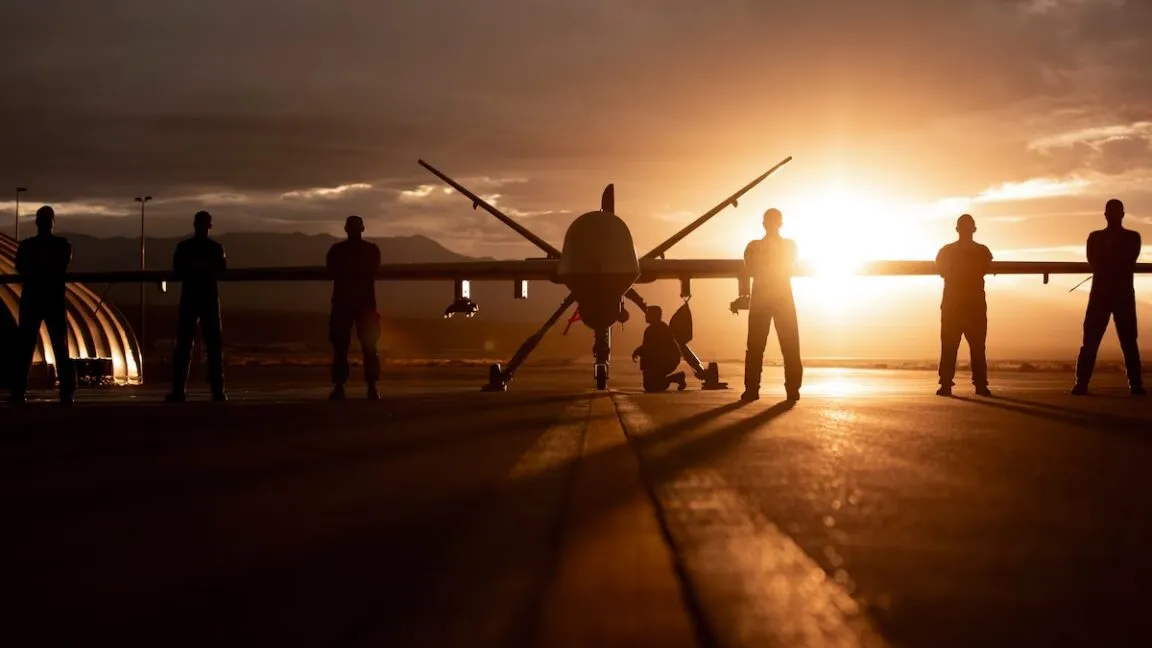
The Pentagon, via the Defense Innovation Unit, is seeking large numbers of cheaper drones after the US military lost dozens of Reaper drones worth more than $1 billion over Iran. The consequence for decision-makers: procurement is shifting toward “unsustainable” expensive platforms, betting on scale, not survivability.
The Pentagon is scrambling to replace lost Reaper drones after Iran destroyed $1 billion worth of them, according to a Defense Innovation Unit pitch notice reported by Ars Technica. The US military has lost dozens of Reaper drones while carrying out surveillance and attack missions over Iran. Now the Defense Innovation Unit is asking industry for cheaper drone options that can still perform those missions, even with the expectation that many of them will be shot down.
The key phrase in the Pentagon’s framing is brutally arithmetic: current reliance on drones and crewed aircraft that each cost more than $30 million is “unsustainable against adversaries utilizing layered defenses enabled by increasingly low-cost antiaircraft capabilities.” In other words, the US cannot keep paying premium prices for platforms that adversaries can counter with cheaper, layered defenses. The notice also envisions using more “cost-effective” drones to “overwhelm enemy air defenses even while experiencing numerous [drone] losses.” That is not a minor procurement tweak. It is a shift toward a strategy where loss rates are baked into the plan.
If that sounds familiar to anyone watching the Russia-Ukraine war, that is because the notice is effectively describing what Ukraine’s military has been demonstrating with its long- and mid-range strike campaign against Russian supply lines, oil refineries, and energy or industrial targets within Russia or occupied Ukraine. Ukraine has been launching hundreds of relatively inexpensive drones and missiles daily to strike targets far behind the front lines, while continuing to damage or destroy Russia’s more sophisticated air defense systems. The logic is consistent: when you cannot match an adversary’s air defenses one-for-one, you try to saturate them with volume.
This is where the procurement and industry dynamics get interesting. A “large numbers of cheaper drones” requirement changes the winning criteria for bidders. It pushes the market away from selling high-end endurance and perfect survivability, and toward delivering mission capability at a unit cost that still makes sense when attrition is expected. In commercial terms, it is the difference between buying an expensive product to last for years versus buying disposables you are comfortable replacing quickly. In defense terms, it forces engineering, manufacturing, logistics, and software teams to optimize for scale, speed, and operational flexibility.
It also implicitly reframes risk for the people making budgets and tradeoffs. When the notice spells out that “numerous [drone] losses” are expected, it is acknowledging that the old model, where you treat losses as a failure, may not fit the threat environment created by “increasingly low-cost antiaircraft capabilities.” For boards and executive leadership in companies that serve defense, that has consequences beyond contracts. It can change how programs are staffed, how supply chains are structured, and how milestone risk is managed, because performance is now tied to throughput and resilience under losses.
Regulatory and compliance considerations are part of that second-order picture, even if the Ars Technica report focuses on the operational logic and the bid request. Defense Innovation Unit pitch notices sit inside a broader US defense innovation ecosystem that tries to accelerate prototyping and adoption. In practice, the faster the US demands cost-effective platforms, the more firms may need to prepare for rapid qualification cycles and documentation requirements tied to export controls, manufacturing compliance, and reliability verification. The source does not list those specifics, but the direction is clear: the Pentagon is moving toward a model that demands faster iteration and more predictable unit economics.
The strategic stakes extend well beyond Reaper and beyond Iran. The notice’s reasoning points to a wider market reality: layered defenses plus cheap antiaircraft can make expensive aerial platforms financially brittle. If that plays out, decision-makers across defense, aerospace, and adjacent tech will face the same uncomfortable question: what is the business case when adversaries can trade cheaply and strike costly systems?
For peer executives in procurement-adjacent roles, the lesson is not just “buy drones.” It is about designing a force that can absorb attrition while still achieving effects. Ukraine’s experience, as described in the report, shows one way that can work: launching hundreds of relatively inexpensive systems daily to overwhelm defenses while continuing to degrade advanced air defense assets. The Pentagon’s call suggests the US wants to compete on that same dimension, but with drone-centric solutions that can be produced and fielded in the numbers needed.
This story's Key Insights and Take-aways are locked.
Create a free account to unlock Executive Actions for one credit.
Register to UnlockAlways free for Executives Club members. Join the Club
More in Business

Comcast shares jump 25% as it plans to split NBCUniversal and Sky
The tax-free spin-off could reshape focus, funding, and competition across media and tech for years.

Bungie cuts most Destiny 2 staff as Sony says Marathon still matters
Herman Hulst confirms layoffs affecting most Destiny and some Marathon teams after Bungie admits Destiny fell short.

SK Hynix jumps 11% after seeking up to $29.4B in Nasdaq listing
The chip giant filed for a Nasdaq listing plan that could raise $29.4 billion, instantly reshaping investor expectations.