
Perdue sues Soules Foods over “6 7” nugget packaging and asks a court to decide
A meme-based label dispute turns into a brand and courtroom fight, with big implications for how food packaging gets enforced.

Perdue, the meat and poultry giant, filed a lawsuit against Soules Foods, alleging Soules copied Perdue's packaging. The case asks a court to decide whether the “6 7” chicken nugget packaging is protected, copied, or both.
Perdue has gone to court over chicken nugget packaging tied to a children’s meme, arguing Soules Foods copied its “6 7” based look. In the lawsuit, Perdue framed the issue as more than a design dispute. It is a fight over who controls the shelf story, and how much copying is allowed when a brand’s packaging is built around a viral cultural reference aimed at kids.
That “6 7” packaging detail is the entire point of the conflict. Perdue claims the packaging Soules is using is based on the same meme popular with children, and that Soules copied Perdue’s packaging. Perdue is now asking a court to decide the question, which matters because packaging is often where fast-moving food brands win or lose before customers even compare ingredients or price.
To understand why this escalated, zoom out to how packaged food branding works. For decades, packaging has acted like a shorthand for taste, quality, and product identity. But when the packaging borrows from a meme that spreads through kids’ attention cycles, the shelf impact can jump fast. That is exactly why meme-derived packaging becomes valuable. It can compress marketing into one recognizable symbol and turn casual browsing into repeated purchase.
Now add litigation incentives. In a dispute like this, the party that believes it invested first in the visual identity wants two outcomes: a stop on continued use and clarity on rights so the spending does not get undercut by copycats. For the defendant, the pressure runs in the opposite direction. Soules would likely want to narrow what Perdue is actually claiming, arguing that the contested elements are not protectable or are too generic to be exclusive. Either way, the case forces a court to separate “inspired by” from “copied,” and that line gets expensive to cross.
There is also a regulatory and compliance layer that decision-makers should not ignore, even when the dispute is framed as packaging copying. Food packaging is heavily scrutinized for what it communicates to consumers, and that scrutiny becomes more intense when the message targets children. A children’s meme is not the same as a neutral logo. Regulators and enforcement bodies can look at whether labeling is misleading, whether claims are supported, and whether presentation norms are being followed. While the source here centers on the lawsuit and the alleged copying, the reason food brands treat these fights seriously is because brand identity and consumer messaging can quickly bleed into compliance risk when the packaging is on the national shelf.
Strategically, this kind of case is a signal shot across the packaged food industry. Not because everyone is copying meme packaging, but because the industry is trying to figure out what courts will treat as protectable branding versus what will be treated as fair use of cultural symbols. If Perdue’s request succeeds, brands may feel more confident enforcing packaging designs tied to trend-driven imagery. If it does not, other companies will likely take note that some meme-based packaging patterns may be harder to lock down in court.
For boards and senior executives, the second-order implication is capital allocation. Marketing teams love the speed of meme-based campaigns. Legal teams, meanwhile, will want to know whether the assets they are rolling out can be defended when a competitor mimics the look. That affects product launch timelines, licensing decisions, and how companies document their design and marketing development, especially when packaging is anchored to a shared cultural reference rather than purely original graphics.
The “6 7” packaging fight between Perdue and Soules Foods shows how quickly modern branding can collide with courtroom strategy. If you are a CEO, CFO, or board member at a packaged food company, the stakes are straightforward: protect the shelf advantage you paid for, avoid compliance blowups tied to how kids interpret messaging, and make sure your brand investments translate into enforceable rights. This case asks a court to draw that boundary, and whatever the outcome, the industry will read it as a roadmap for what is safe to copy, and what is not.
This story's Key Insights and Take-aways are locked.
Create a free account to unlock Executive Actions for one credit.
Register to UnlockAlways free for Executives Club members. Join the Club
More in Business
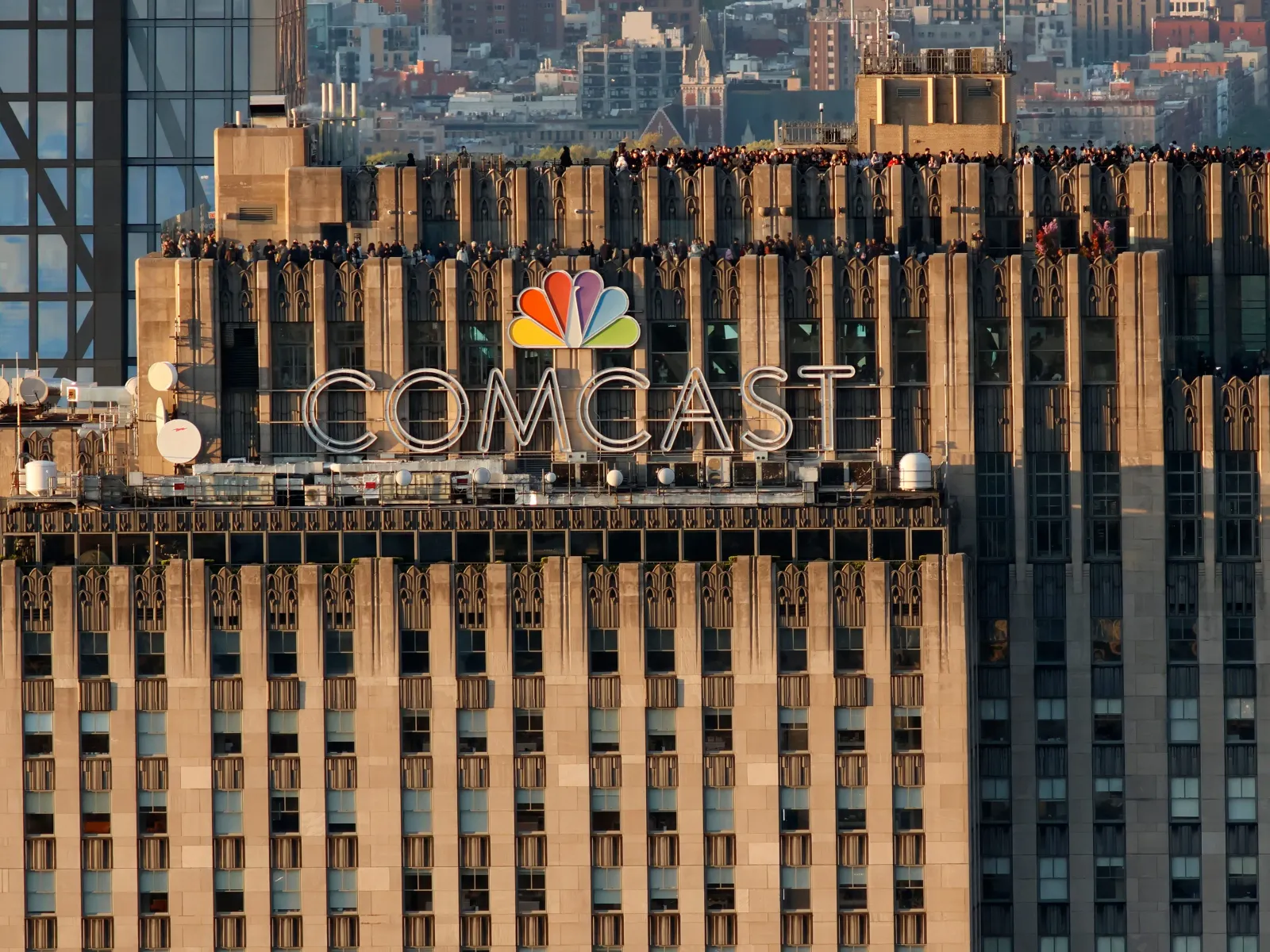
Comcast shares jump 25% as it plans to split NBCUniversal and Sky
The tax-free spin-off could reshape focus, funding, and competition across media and tech for years.

Bungie cuts most Destiny 2 staff as Sony says Marathon still matters
Herman Hulst confirms layoffs affecting most Destiny and some Marathon teams after Bungie admits Destiny fell short.

SK Hynix jumps 11% after seeking up to $29.4B in Nasdaq listing
The chip giant filed for a Nasdaq listing plan that could raise $29.4 billion, instantly reshaping investor expectations.