
Perfect storm could shrink the U.S. auto market by 2040, forecaster warns
Fewer cars sold is not a bump, it is a new baseline. Here is why it matters for automakers and suppliers.
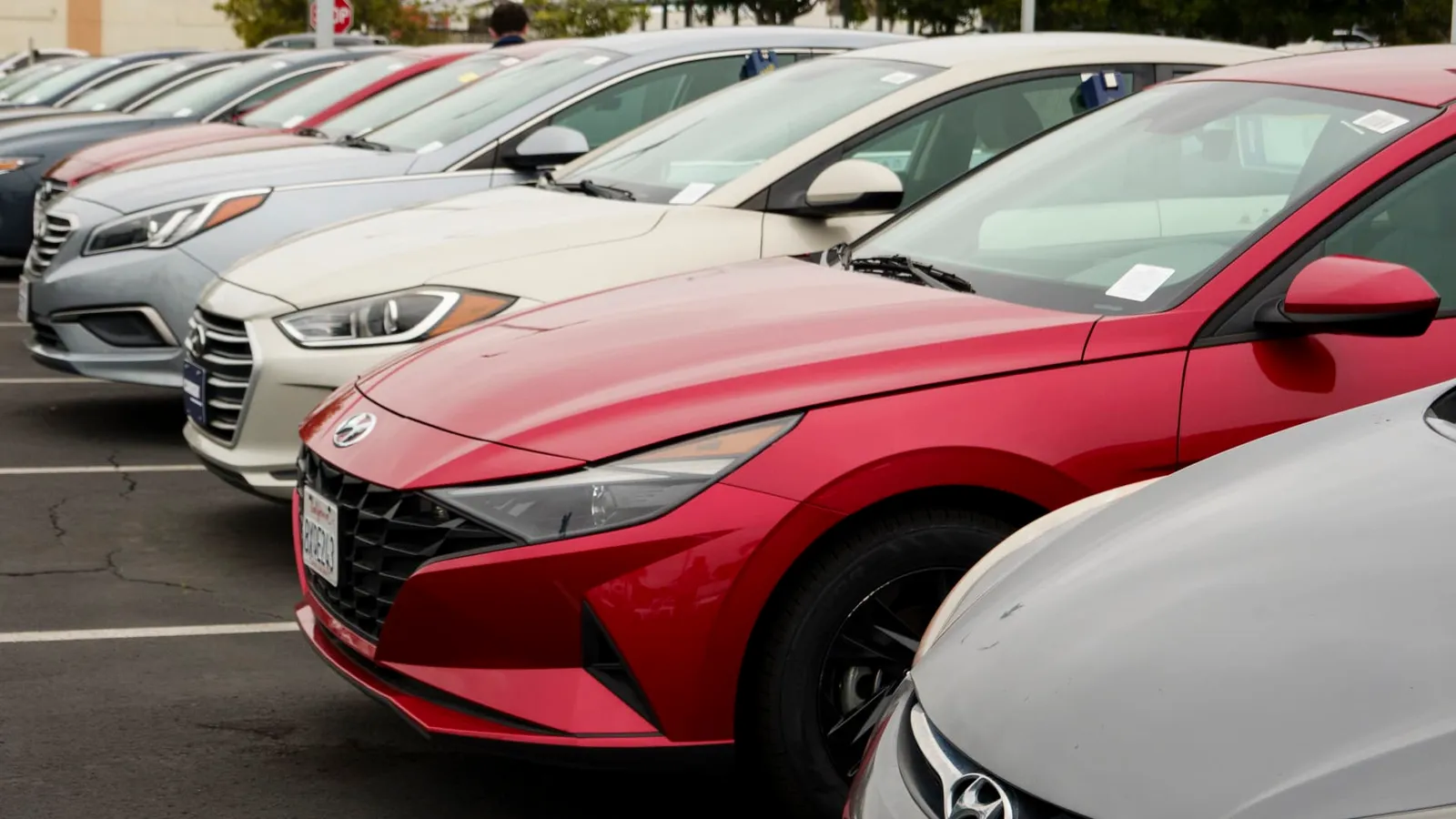
CNBC reports that one auto industry forecaster calls falling U.S. vehicle sales a fundamental shift that will worsen. Decision-makers should treat the 2040 market outlook as a signal to rethink capacity, pricing power, and portfolio bets now.
A “perfect storm” is building for the U.S. auto market, and one forecaster says the result is unavoidable: a much smaller market by 2040. The core warning is simple, and it is not comfort food. The auto industry is selling fewer cars, and this is not just a cyclical downturn that fades when the economy recovers. The forecaster argues it is a fundamental change, and that it is going to get worse.
That matters because “fewer cars” is not a neutral headline. It changes how every dollar moves through the system. If demand is structurally lower, then automakers cannot just wait for sales to rebound and keep the same playbook. They have to assume less volume, different mix, and tighter margins. For boards and senior leaders, the risk is that current strategies are still optimized for a world where sales eventually snap back. The forecast is effectively telling them that snap-back might not exist.
To understand why this kind of forecast lands like a warning label, it helps to zoom out to how auto markets behave. The industry is capital intensive and slow to adjust. Factories, tooling, dealer relationships, and supplier agreements are built on multi-year assumptions. When the market grows, incumbents can add shifts, push incentives down, and harvest operating leverage. When the market shrinks in a durable way, the opposite happens. Underutilized capacity becomes expensive, price competition intensifies, and the business shifts from “expand and capture” to “defend and rationalize.”
It is also worth noting that the phrase “fundamental change” is doing heavy work here. Many auto headwinds look like temporary turbulence: consumer confidence shifts, interest rates move, and supply chain conditions improve or worsen. But the forecaster is describing something different. The industry is not merely selling fewer cars for a quarter or two, it is moving onto a lower demand floor. That is why the story frames the future as “much smaller” by 2040, not just a slower growth curve.
There is another layer decision-makers should not ignore: the auto industry is currently shaped by regulatory and policy forces that influence what gets built and how quickly products move through the market. Rules tied to emissions, safety, and fuel economy, plus government targets that encourage electrification, can alter consumer adoption timelines and how companies plan model lineups. Even if regulations do not directly reduce the total number of vehicles sold overnight, they can still change affordability, product availability, and consumer confidence in the near term. If those effects combine with other pressures, they can feed a “perfect storm” dynamic, where multiple headwinds hit at once.
Second-order implications are where this story becomes truly board-level. Supplier ecosystems tend to be optimized around predictable demand. If total vehicle volumes trend down structurally, suppliers may face lower order volumes even if their technologies are in demand. That can push bargaining power away from suppliers and toward automakers, or it can force suppliers to consolidate, merge, or exit. Meanwhile, automaker incentive strategies can shift. Companies might have less room to offer discounts if they cannot count on volume to absorb fixed costs, but they may also need to use incentives to move inventory if demand softens across segments. Either way, financial planning gets harder.
For executives, the strategic stakes are immediate even though the timeline is 2040. When a forecaster says the change will “get worse,” leadership cannot treat the next few years as just a transition period. They need to plan for a lower-volume equilibrium and adjust what they build, how they price, and how they allocate capital. That means pressing harder on portfolio choices, scrutinizing new vehicle programs against conservative demand assumptions, and ensuring production capacity aligns with the market size the forecast implies. In plain terms: if the market is set to be much smaller, every excess assumption becomes a cost problem.
CNBC’s takeaway is that the auto industry is already selling fewer cars, and that one forecaster sees the decline as fundamental and worsening. The “perfect storm” framing is the warning shot: the future likely offers less room for margin error, more pressure to optimize capacity and spending, and tougher competition for the customers that remain. Boards and leaders who treat this as a temporary dip might find themselves late, expensive, and scrambling when the new baseline becomes reality.
This story's Key Insights and Take-aways are locked.
Create a free account to unlock Executive Actions for one credit.
Register to UnlockAlways free for Executives Club members. Join the Club
More in Business

Anthropic’s Levant Alpöge cracks the Jacobian conjecture after 87 years
A Harvard valedictorian used Claude to hit a 1939 breakthrough, but the missing “why” is the real problem.

Uber buys Delivery Hero for nearly $15B, vaulting to top food delivery outside China
The deal doubles Uber's dual-services footprint and pushes a ride-and-eats bundling play into 50 more markets.

Epic and Google drop settlement bid, forcing rival Android app stores by July 22
Google told the court it is ready to carry third-party app stores starting Wednesday, July 22.