
Peter Kyle: Argentina banner after England semi-final was 'entirely inappropriate'
The Labour minister calls out behaviour tied to the Falklands dispute, after Argentina’s Atlanta win and pitchside banner.

Peter Kyle said Argentina’s players’ behaviour was “entirely inappropriate” when they waved a banner supporting Argentina’s claims to the Falkland Islands after their World Cup semi-final win over England. The consequence for decision-makers is a clearer line on how sports governance, public diplomacy, and political sensitivities collide in high-visibility moments.
Peter Kyle, a Labour minister, has said Argentina’s players’ behaviour was “entirely inappropriate” after they waved a banner in support of their country’s claims to the Falkland Islands following their World Cup semi-final win against England.
Kyle was referring to what happened in Atlanta on Wednesday, where Argentina, the defending champions, beat England 2-1. According to the Press Association, Argentina fans celebrated near the pitch and held up a banner reading “Las Malvinas son Argentinas”, which translates to “The Falkland Islands are Argentinian”. The banner then made its way to the players, who held it up as they “revelled” in their win.
On the surface, this is sport. But for executives and board members in media, sponsorship, events, and even public affairs, it is also a live test of how quickly “content” becomes “diplomacy.” A banner about sovereignty is not just team support. It is a political message tied to an enduring territorial dispute involving a British overseas territory. When that kind of messaging travels from fans to players in the middle of a global tournament, it changes the risk profile for everyone around the broadcast: rights-holders, sponsors, stadium operations, and the league or tournament governance that has to decide what is acceptable.
That is why Kyle’s comment matters beyond the headline. He did not just criticize the spectacle. His framing puts the behaviour in a category of conduct that crosses lines of appropriateness. In politics, words like “entirely inappropriate” are used as signals. They are meant to harden norms and to anticipate what should follow, such as scrutiny, internal reviews, or pressure for policy enforcement.
The wider political context in the Guardian’s live blog is also telling. The same segment references outgoing PM moves to “cement” his legacy before being replaced by Andy Burnham as Labour party leader tomorrow. Even if this football story is not about party leadership, it sits inside the same day’s political choreography, where public moments and public language are currency. In other words, sports and politics do not wait for permission slips. They overlap in real time, and senior politicians know that.
There is another layer too: the Guardian body includes a separate regulatory detail about legislation that “went through parliament” and includes “a mechanism by which an independent assessor will now judge if or if not any compensation is due.” The excerpt continues that there is “that possibility” and that “the decision of the independent assessor” will be what determines compensation. While the excerpt does not fully connect this legislative mechanism to the football incident, it underscores a pattern that decision-makers should recognize: when disputes are politically charged, governments and institutions increasingly rely on structured, independent assessment processes to decide next steps. In practice, that approach can reduce the heat of direct decision-making, but it can also extend uncertainty until the assessor rules.
For companies operating near politically sensitive arenas, the second-order implication is straightforward. When incidents involve territorial claims, national identity messages, or contested history, the question quickly becomes not only “what happened,” but “who decides what it means.” If a sports governing body treats the banner as mere celebration, reputational pressure rises from governments and public opinion. If it treats the incident as misconduct, governance decisions become precedent-setting. In either case, executives should assume the story travels. It moves from the pitch to press, from press to political commentary, and from commentary to policy expectations.
And that pressure can cascade. Sponsors want brand safety. Broadcasters want clean compliance. Event organizers want operational certainty. Boards want to know whether their risk models capture political messaging as a reputational and regulatory exposure, not just a communications problem. Add in the fact that the banner appears to have “made its way” from fans to players, and you get a particularly sticky governance challenge. The relevant question is whether the tournament’s code of conduct is designed to prevent, detect, and respond to politically loaded symbolism when it is presented by supporters first, then carried into play by athletes.
Ultimately, the stakes for peers are about control. When a controversy erupts during a high-visibility match, leaders cannot manage only the immediate optics. They have to manage downstream outcomes: potential investigations, public statements, and any formal decisions about compensation or sanctions that may be influenced by independent assessment mechanisms or institutional rules. Peter Kyle’s “entirely inappropriate” line shows how quickly the political establishment can interpret a sports moment as something that requires boundaries. For executives, that is your cue to treat governance and compliance as proactive, not reactive, especially when national disputes show up on the world stage.
This story's Key Insights and Take-aways are locked.
Create a free account to unlock Executive Actions for one credit.
Register to UnlockAlways free for Executives Club members. Join the Club
More in Politics
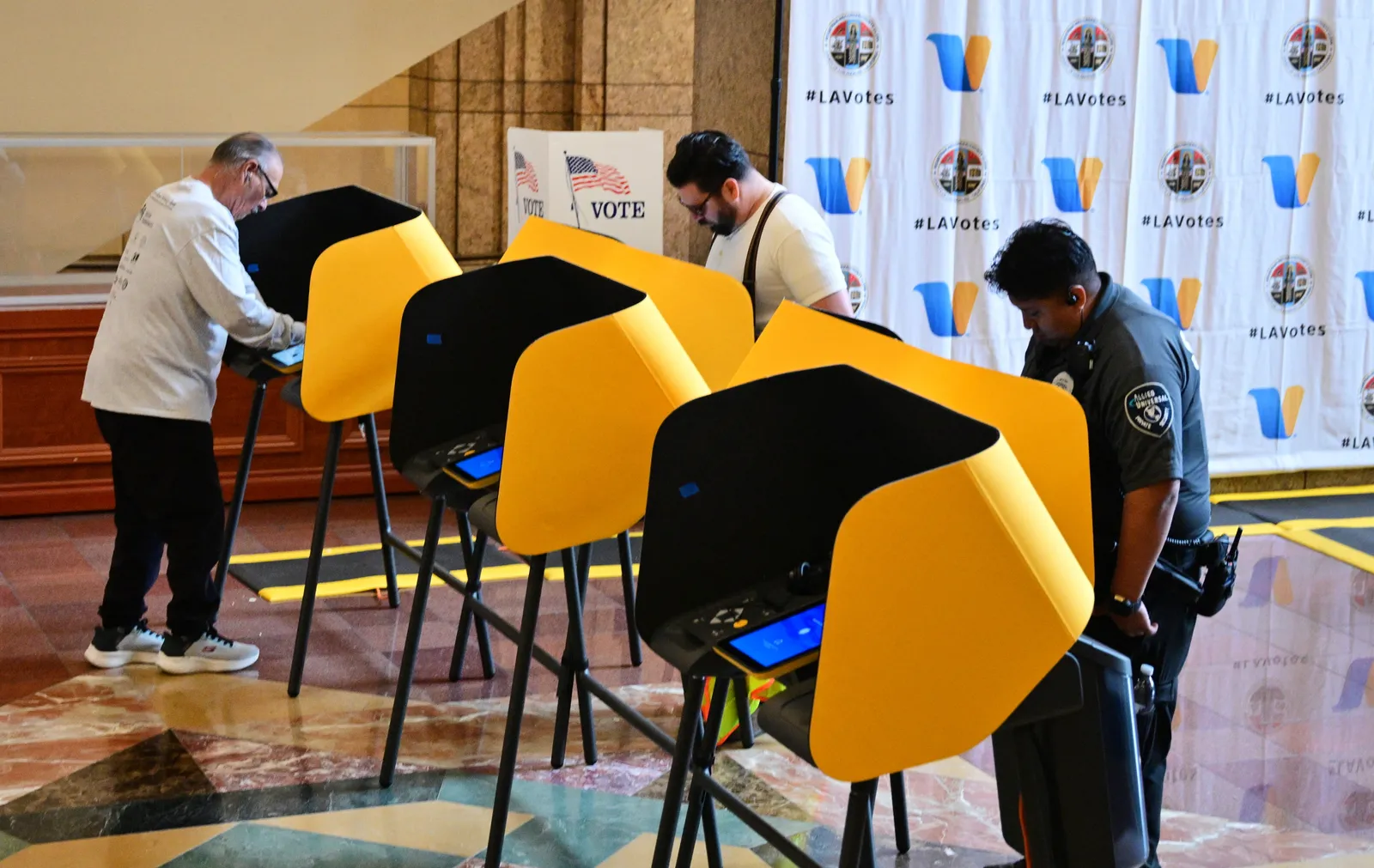
LA County: DOJ's 20,000 'noncitizen' voter list is 'unreliable,' includes U.S.-born
Preliminary review by Los Angeles County election officials finds errors in the federal list, raising the stakes for voter roll integrity ahead of November.
Trump's $1.5B Pentagon chip investment lands in North Carolina
A $1.5 billion defense infusion for North Carolina chipmaking signals a new era of Pentagon-backed reshoring - here's what it means for the industry.
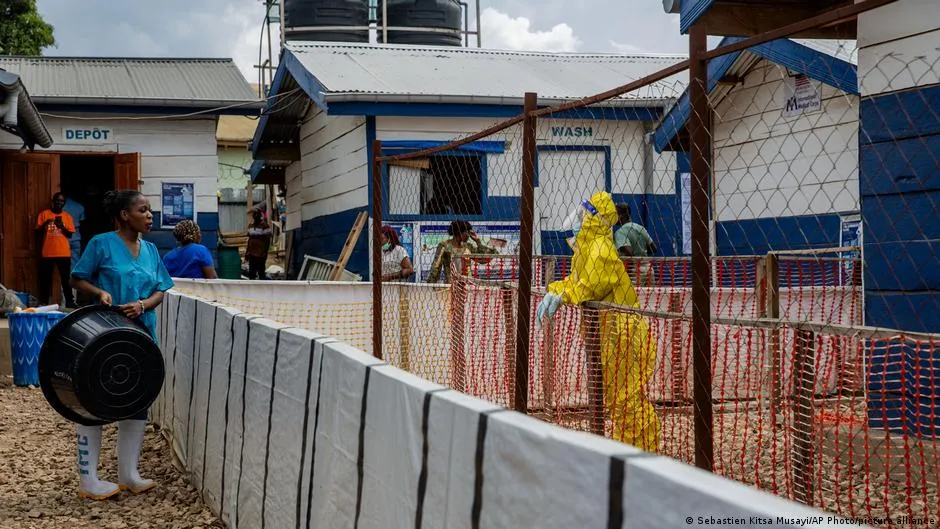
Nigeria confirms first Ebola case in Abuja, a woman just off a Uganda flight
Health Minister Muhammad Ali Pate says the patient flew in from Uganda, putting Africa's latest outbreak on Nigeria's doorstep.