
Petras Auštrevičius blasts FIFA over Russia’s U-15 World Cup return
A Lithuanian MEP says FIFA’s move signals “moral and political blindness” and risks turning sport into geopolitics.
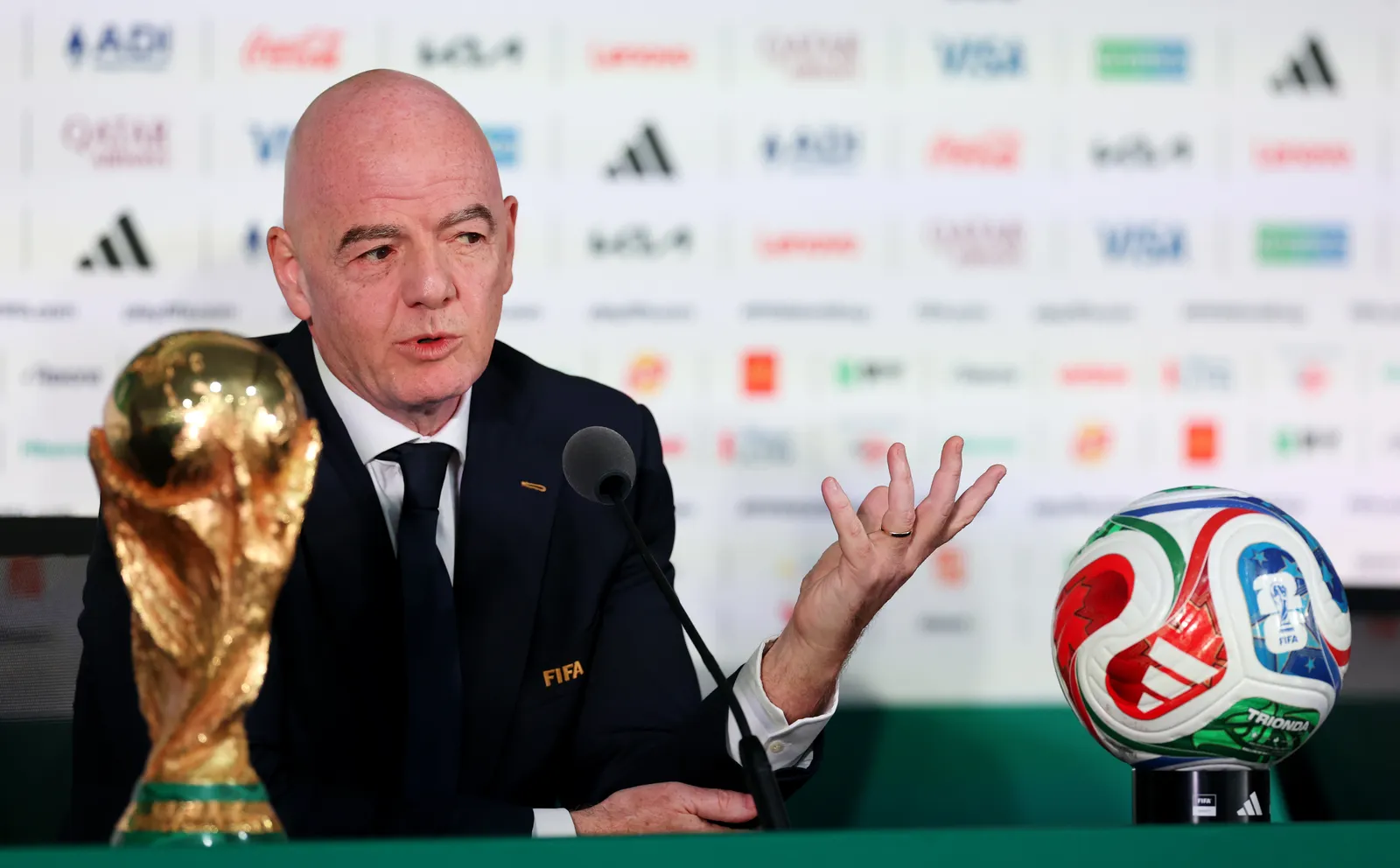
Lithuanian MEP Petras Auštrevičius condemned FIFA for allowing Russians to participate in the October U-15 World Cup. He argues FIFA’s stance is politicizing youth sport, and EU lawmakers are applying direct pressure via letters involving 90 MEPs.
This week, Lithuanian MEP Petras Auštrevičius used the European Parliament to take a swing at FIFA. In letters published Monday and Wednesday, 90 MEPs pressed FIFA over actions they said undermine FIFA’s political neutrality, focusing on FIFA’s decision to open the gates for the Russian U-15 team in October.
Auštrevičius, from the liberal Renew group and the author of the Wednesday letter, framed the issue bluntly. He called FIFA’s decision “completely based on moral and political blindness,” arguing the timing is wrong because it sends “this kind of sport-based but politics-based signal to Russia.” In his view, allowing Russian youth participation can also distort the fairness of competition if some national teams refuse to play against Russians and then face disqualification, which he said is “completely wrong” and leads to “unfair sport competitions.” FIFA did not immediately respond to a request for comment about Auštrevičius’ criticism.
To understand why EU lawmakers are escalating this through letters, it helps to remember what FIFA is trying to do in public. Organizations like FIFA often describe themselves as neutral sports bodies, and neutrality is not just a moral claim. It is a structural requirement for credibility with federations, broadcasters, sponsors, and athletes. Once “neutrality” becomes contestable, every other relationship gets harder to manage. The second-order effect is that politics does not stay outside the stadium. It spills into selection decisions, viewer sentiment, and the operational question of what happens when teams, fans, or officials refuse to engage.
Auštrevičius’ argument leans on that operational reality. He said he can imagine the Russian U-15 team on the field with sports viewers and participants in the stadium. He does not reject the possibility of public protest by players, saying it is “absolutely understandable” given Russia’s war of aggression against Ukraine. That distinction matters. He is not arguing that people should stay quiet. He is arguing that FIFA should not set up the scenario where protest, backlash, and punishment collide.
He also tackled the broader FIFA leadership question: Gianni Infantino and his relationship with Donald Trump. The European Parliament rebukes were not limited to Russia’s participation, They also addressed Infantino’s relationship with the U.S. leader. Auštrevičius described it as a “demonstration of political affiliations,” and said FIFA is “not any longer a neutral sports organization.” His framing suggests that for EU lawmakers, neutrality is not simply about whether FIFA bans countries, it is about whether FIFA looks independent or aligned with political power.
Infantino has already weighed in on bans in a way that Auštrevičius directly responded to. Auštrevičius referenced Infantino earlier this year saying he opposes bans “because they ‘create more hatred.’” The core tension here is philosophical but also practical. If bans are not used, what mechanism replaces them to signal consequences? Auštrevičius’ answer is that FIFA’s approach risks sending a different message, one that he believes wrongfully “appease[s]” through high-profile political engagement rather than enforcing a consistent neutrality standard.
Meanwhile, the strategic pressure appears to be coming from coordination inside the EU. Two letters, published Monday and Wednesday, involve 90 MEPs pressing FIFA. Even if FIFA does not respond immediately, the reputational and compliance pressure matters. For boards and leadership teams at sports and media companies, these moments tend to become governance tests. Sponsors and partners do not want to be seen as choosing sides in conflicts, but they also want to avoid association with decisions perceived as insensitive or legally problematic in key markets.
There is also a competitive reality embedded in Auštrevičius’ fairness concern. He described a scenario where national teams that refuse to play Russians would face disqualification. That implies a rulebook problem: teams might be forced into participation by sporting regulations, even if public sentiment and government positions shift. In youth sports, that risk is even sharper. The stakeholders are not only federations and broadcasters. They include minors, families, and communities who may experience geopolitics as something that reaches beyond policy and into personal life.
Finally, Auštrevičius offered a small but revealing personal note on solidarity. “Lithuania is not in the World Cup,” he said, so he is “supporting [the] Europeans,” and he described being “a strong supporter of Germany” but now being “disappointed,” while also saying he now keeps an eye on Spain. It is not an operational detail, but it underscores a theme running through the letters: EU lawmakers are not trying to manage FIFA like a government agency. They are trying to influence FIFA’s decisions because those decisions have outsized effects across European publics.
For executives watching from the sidelines, the takeaway is not just that FIFA is under scrutiny. It is that neutrality is now a board-level reputational risk, and geopolitics is being pulled into the logic of youth tournaments through rule fairness, public protest dynamics, and high-profile leadership relationships. If FIFA’s posture continues to be challenged by elected representatives, future tournaments may require more than sporting operations. They may require a political-risk playbook, even if the organization insists it is staying in its lane.
This story's Key Insights and Take-aways are locked.
Create a free account to unlock Executive Actions for one credit.
Register to UnlockAlways free for Executives Club members. Join the Club
More in Politics
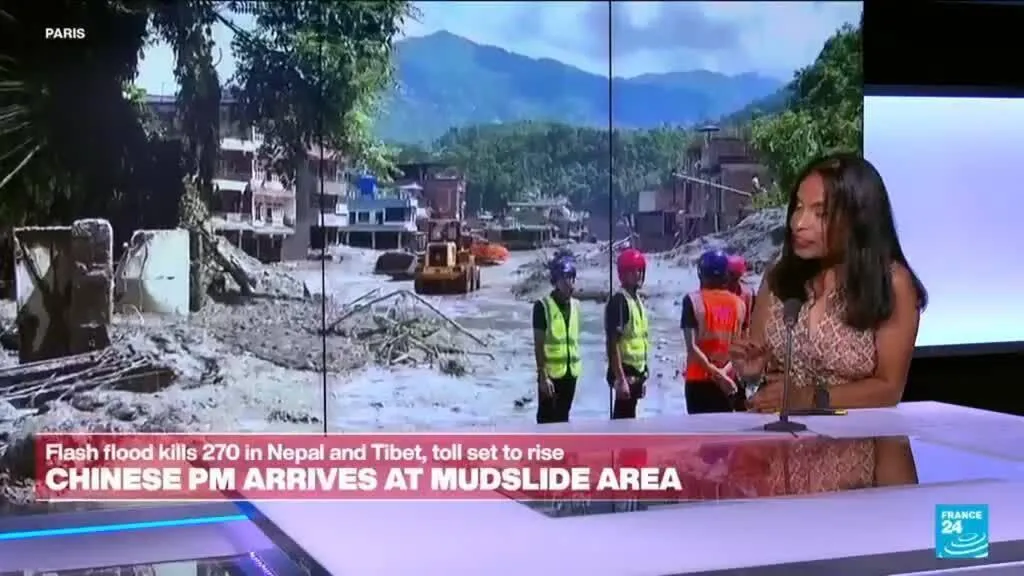
Glacial collapse, not rain, killed 180 in Nepal's Himalayan flood
The Himalaya's extreme geography hid the true cause of Nepal's catastrophic flood, a glacial collapse that turned a geological battleground into a mass-casualty zone.
Iran’s Esmail Baghaei says Oman talks start shipping via Hormuz, not US talks yet
Temporary route plans with Oman aim to restart commerce while Tehran says Washington dialogue is not on the table.
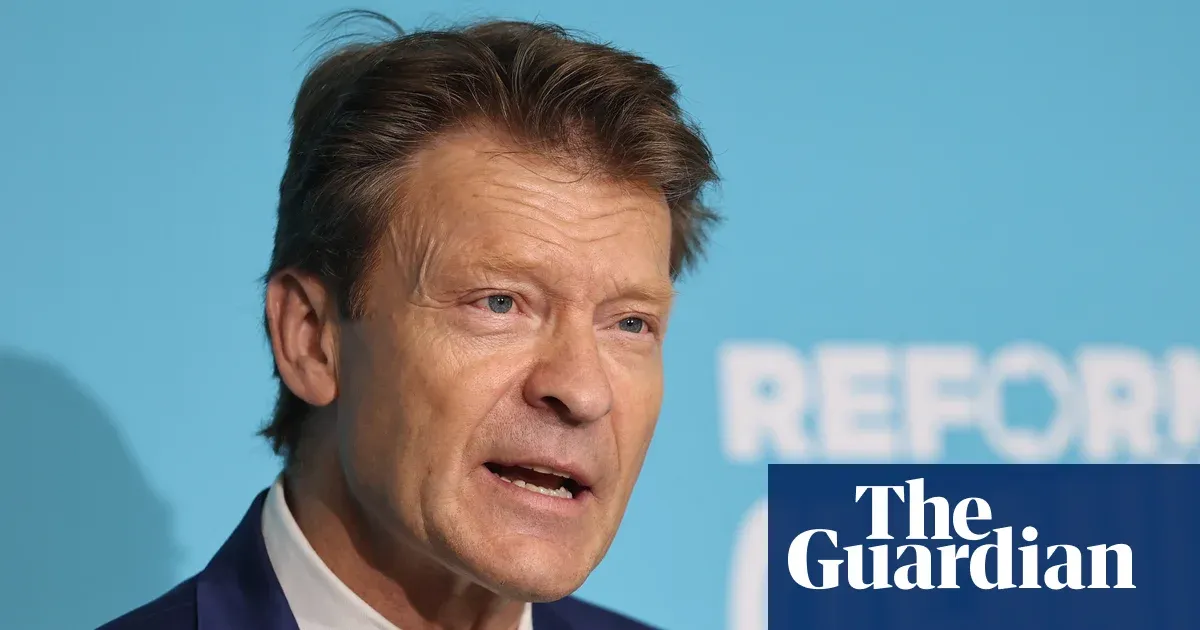
Standards watchdog opens probe into Reform UK deputy leader Richard Tice over interests
The parliamentary standards commissioner says it began an investigation on 28 July into a possible undeclared interest.