
Phoebe Bridgers’ $1 shows triggered a lyric-ban backlash that even reached ableism claims
The “surprise $1” stunt for her third album return turned discourse into a second act, with phones banned at shows.
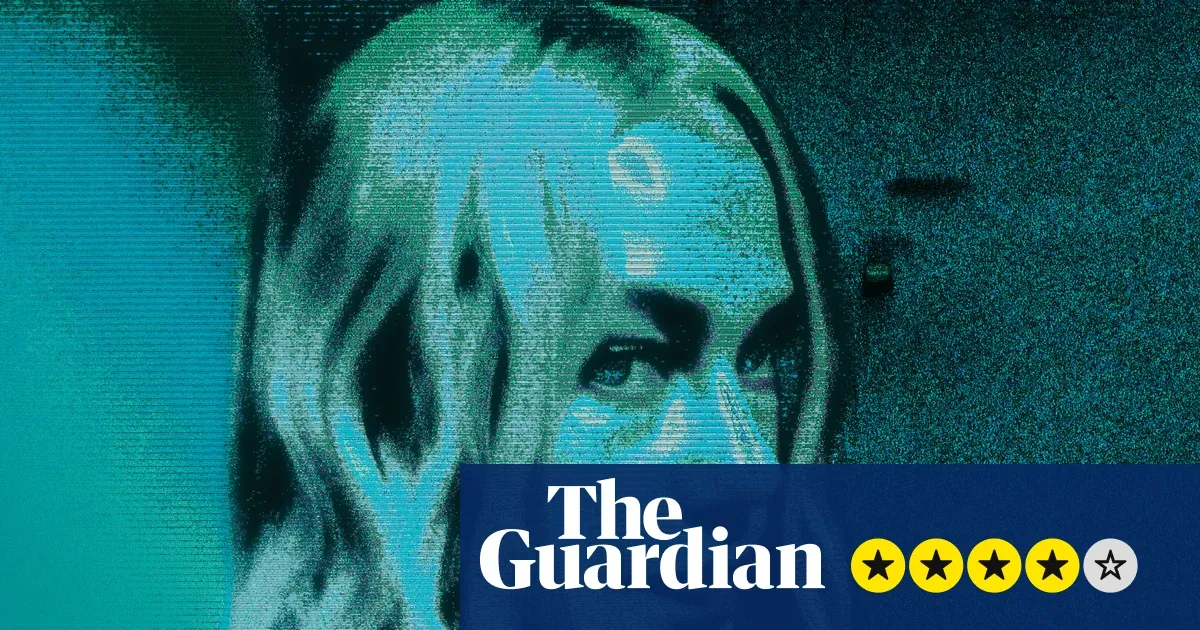
Phoebe Bridgers, 31, returned with her third album after years away, and Dead Oceans press materials describe surprise $1 shows culminating at Madison Square Garden, with phones and recording devices banned. For decision-makers in music and media, the stunt shows how engagement tactics can quickly collide with community norms and reputational risk.
(Dead Oceans) Phoebe Bridgers’ return is being staged like a heist, complete with “mysterious posters” and a price tag so low it practically dares fans to show up: $1 surprise Bridgers shows in small US towns, later that night, before a concluding gig at New York’s Madison Square Garden. According to the press materials, audience phones were banned, along with any kind of recording device, including pen and paper, to prevent attendees from writing down lyrics from her third album and sharing them online.
That is the immediate stake: the same campaign designed to create controlled intimacy also created a friction point around access to lyrics and how fans interpret exclusion. The backlash to the ban was loud enough that some fans accused Bridgers of ableism. The Guardian reports that this claim sparked its own backlash, turning the whole thing into a “tiresome Russian doll of discourse” that is still dragging on.
To understand why this matters beyond any single tour, look at the context Bridgers has been operating inside for years. The US singer took years off after becoming “a little world-weary” about public life, and in that gap her silvery balladry did not just sit still. Her second album, 2020’s Punisher, resonated with life under lockdown and helped reshape what pop could sound like, lifting her into superstar territory while intensifying the scrutiny that comes with it.
Bridgers has also become a reference point for a certain kind of parasocial attention. The Guardian describes how fans treated her as a figure of invasive behavior after Punisher, and it notes how young women making introspective, ornate indie-rock songs have risen to striking levels of fame and scrutiny in recent years, citing Bridgers’ Boygenius supergroup with Julien Baker and Lucy Dacus, as well as Mitski as a peer. In other words, the model is not “Bridgers is special.” It is “this whole lane has become hyper-visible, and hyper-visible artists absorb the costs.”
This is why the $1 stunt is not just a marketing detail. It is an attempt to control narrative and experience in a market where the internet is always ready to capture, quote, and remix. When the press materials say the ban extended to pen and paper, the implied logic is simple: the leak surface has to be reduced, not just the recording surface. That is an operational choice, and it comes with an equity question, because fans will inevitably ask what is being protected and who gets left out.
The Guardian connects that tension to the broader pattern of public reaction to Bridgers’ personal life and public behavior. When she was rumoured to be engaged in 2022, fans rued her happiness; when she started a new relationship, the gossip mill churned. In 2023, the paper notes, she castigated the so-called fans who aggressed her in an airport while on the way to her father’s funeral. The theme is consistent: fans can feel entitled to proximity, then interpret boundaries as cruelty, and then treat the artist’s intent as irrelevant.
Layer onto that the fact that her return itself is described as an “analogue return,” which usually means a deliberate push away from the digital default. But analog strategies do not automatically create peace online. If anything, they can raise the stakes of what is “fair game,” which is likely why the lyric ban debate escalated into accusations of ableism and a counter-backlash. The Guardian frames it as a Russian doll of discourse still dragging on, which is a warning sign for anyone trying to run a campaign in a polarized attention economy.
For executives and boards looking at music, media, and creator-led platforms, the second-order implication is straightforward. Even when a stunt is designed to protect a creative asset and manufacture scarcity, it can become a proxy fight about ethics, access, and respect. Bridgers’ case shows how quickly a gatekeeping policy can be interpreted as discriminatory, even when the stated goal is preventing lyrics from being shared. And once the discourse cycle starts, it is hard to contain because the audience can recruit new frames, not just new opinions.
The strategic stakes for peers are clear. The industry is increasingly dependent on event-level moments to cut through feed fatigue, and Bridgers is using price, surprise, and controlled on-site behavior to do it. But the same tools can create reputational blast radius when fans argue about motives rather than details. If you are an artist team, label exec, or platform operator, you do not just manage demand. You manage interpretation. Bridgers’ $1 shows prove that demand can be engineered. The question is whether the campaign also anticipates how communities will argue when you say, in effect, “you can be here, but you cannot document this.”
This story's Key Insights and Take-aways are locked.
Create a free account to unlock Executive Actions for one credit.
Register to UnlockAlways free for Executives Club members. Join the Club
More in Entertainment

Russell Brand's accuser 'bewildered and confused' as he denies 7 sex charges
The criminal case against the comedian is a live test of how media companies manage talent risk when serious allegations go public.

'It's a Magic Trick': Ballet Experts Say Rosalía's SNL Pose Is Impossible
Three ballet experts tell Rolling Stone Rosalía's gravity-defying SNL stillness shouldn't be possible - and why the debate is now part of the show.

Activision CMO: GTA 6 Will Boost Call of Duty, Not Bury It
Activision's top marketer says Rockstar's blockbuster will drive players back to consoles and into Modern Warfare 4, even as the company admits its recent strategy failed.