
Pig kidney keeps man alive 9 months in world-first bridge to human transplant
A genetically modified pig kidney kept Tim Andrews off dialysis for a record nine months, proving xenotransplantation can buy time for patients awaiting human organs.
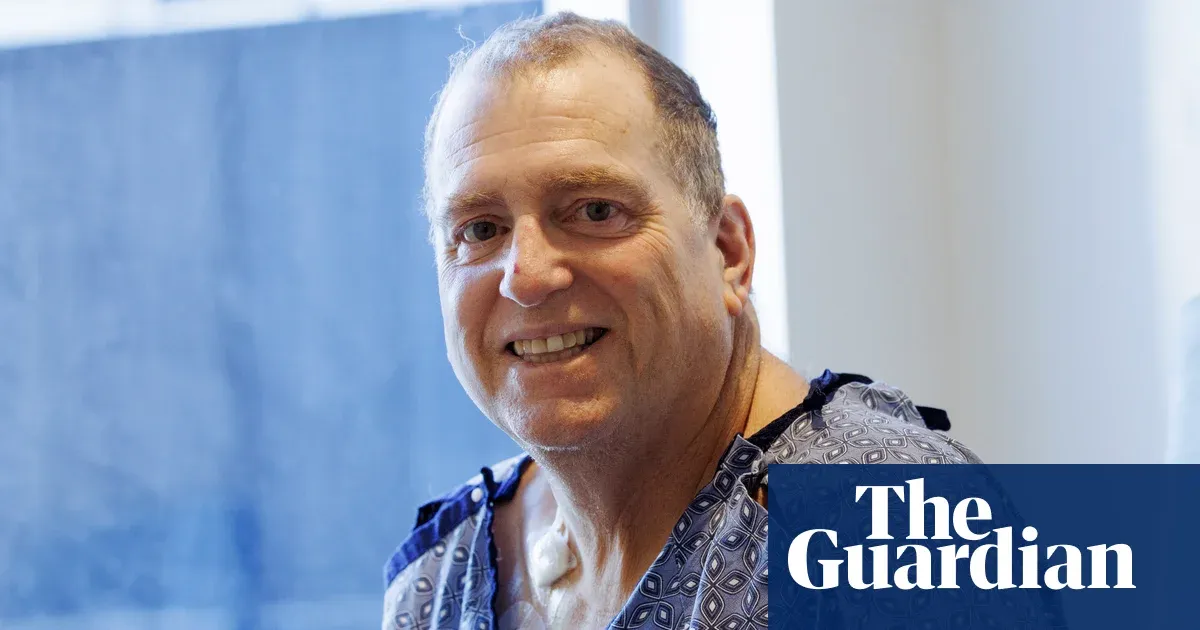
A genetically modified pig kidney kept 66-year-old Tim Andrews alive for a record nine months, acting as a bridge to a successful human transplant. The world-first success underscores the potential of animal organs to address chronic shortages, though broader adoption depends on further clinical validation.
A genetically modified kidney from a pig named Wilma kept 66-year-old Tim Andrews alive for a record nine months, successfully bridging him to a human transplant in a world first. The procedure, reported by The Guardian, marks the longest a pig organ has sustained a human patient, offering a new lifeline for the hundreds of thousands of people stuck on kidney transplant waitlists.
Andrews, who suffered from end-stage kidney disease caused by type 2 diabetes, faced grim odds: only a 9% chance of receiving a human kidney within five years, against a more than 40% risk of dying or being removed from the waiting list. The pig kidney kept him off dialysis entirely during that period, allowing him to maintain a semblance of normal life while he waited for a compatible human organ. For patients like Andrews, dialysis is a grueling routine - three sessions a week, each lasting hours - and it carries its own risks of infection, heart failure, and a dramatically reduced quality of life.
The breakthrough is the latest in a fast-moving field called xenotransplantation, where genetically modified animal organs are used to fill the gap left by a chronic shortage of human donors. In the US alone, more than 90,000 people are waiting for a kidney, and thousands die each year before one becomes available. Pig organs have long been seen as a promising source because of their anatomical similarity to human organs, but the immune system's aggressive rejection response has historically made them unusable. Over the past decade, advances in gene editing - particularly CRISPR - have allowed researchers to modify pigs to make their organs more compatible with the human immune system.
To overcome rejection, researchers have edited the pig's genes to remove the sugars that trigger human immune attacks and add human genes that help the organ blend in. Wilma, the pig that provided the kidney, was bred specifically for this purpose. The nine-month survival is a significant leap from earlier attempts, which lasted only weeks or months, and suggests that the genetic modifications are working as intended. In 2021, a pig kidney was transplanted into a brain-dead patient and functioned for 54 hours; in 2023, a pig heart kept a man alive for two months. The nine-month kidney survival is a major step forward.
The 'bridge' concept is particularly important. Rather than a permanent replacement, the pig kidney served as a stopgap, keeping Andrews alive and healthy enough to eventually receive a human transplant. This approach could transform how transplant centers manage patients with end-stage organ failure, giving them time to find a matching donor without the debilitating effects of long-term dialysis. It also opens the door to using pig organs as a temporary measure for patients who are too sick to wait, or who have no other options.
For the medical community, the success raises hopes that xenotransplantation could eventually become a standard option, not just a bridge but a destination therapy for those who cannot get a human organ. However, significant hurdles remain. The long-term durability of pig organs, the risk of transmitting animal viruses, and the ethical and regulatory frameworks for widespread use are all still being worked out. The US Food and Drug Administration has been approving these procedures on a case-by-case basis, and each success builds the evidence base. The next step will be larger clinical trials to prove safety and efficacy across a broader patient population.
For executives and investors in biotech and healthcare, the implications are clear. Companies like United Therapeutics and eGenesis are already pouring billions into xenotransplantation, and this record could accelerate regulatory pathways and attract more capital. But the field is still early, and the path to commercial viability is long. The key will be demonstrating not just survival, but quality of life and cost-effectiveness compared to dialysis, which costs the US healthcare system over $80 billion a year. If pig organs can be produced at scale, the waitlist for kidneys - and eventually hearts, livers, and lungs - could shrink dramatically, reshaping the economics of organ failure.
This story's Key Insights and Take-aways are locked.
Create a free account to unlock Executive Actions for one credit.
Register to UnlockAlways free for Executives Club members. Join the Club
More in Science

Diamond's melting point was 1,300 degrees too high. A laser just fixed it.
New laser experiments correct diamond's melting point, aligning with theory and sharpening models for fusion and ice giant planets.

First adult T rex footprints found - 23-foot trackway from 66.5M years ago
The first known adult T rex trackway offers unprecedented insight into the predator's movement and behavior.

Panama Canal restricts ships for the second time ever as El Niño drought bites
Drought-driven cap on Panama crossings is the second-ever restriction in canal history; freight delays, rerouting and higher costs come next.