
Placebo pills improved memory in 3 weeks even when seniors knew they were fake
A new study in healthy older adults found measurable gains after placebos, including when participants fully understood the pills were inactive.
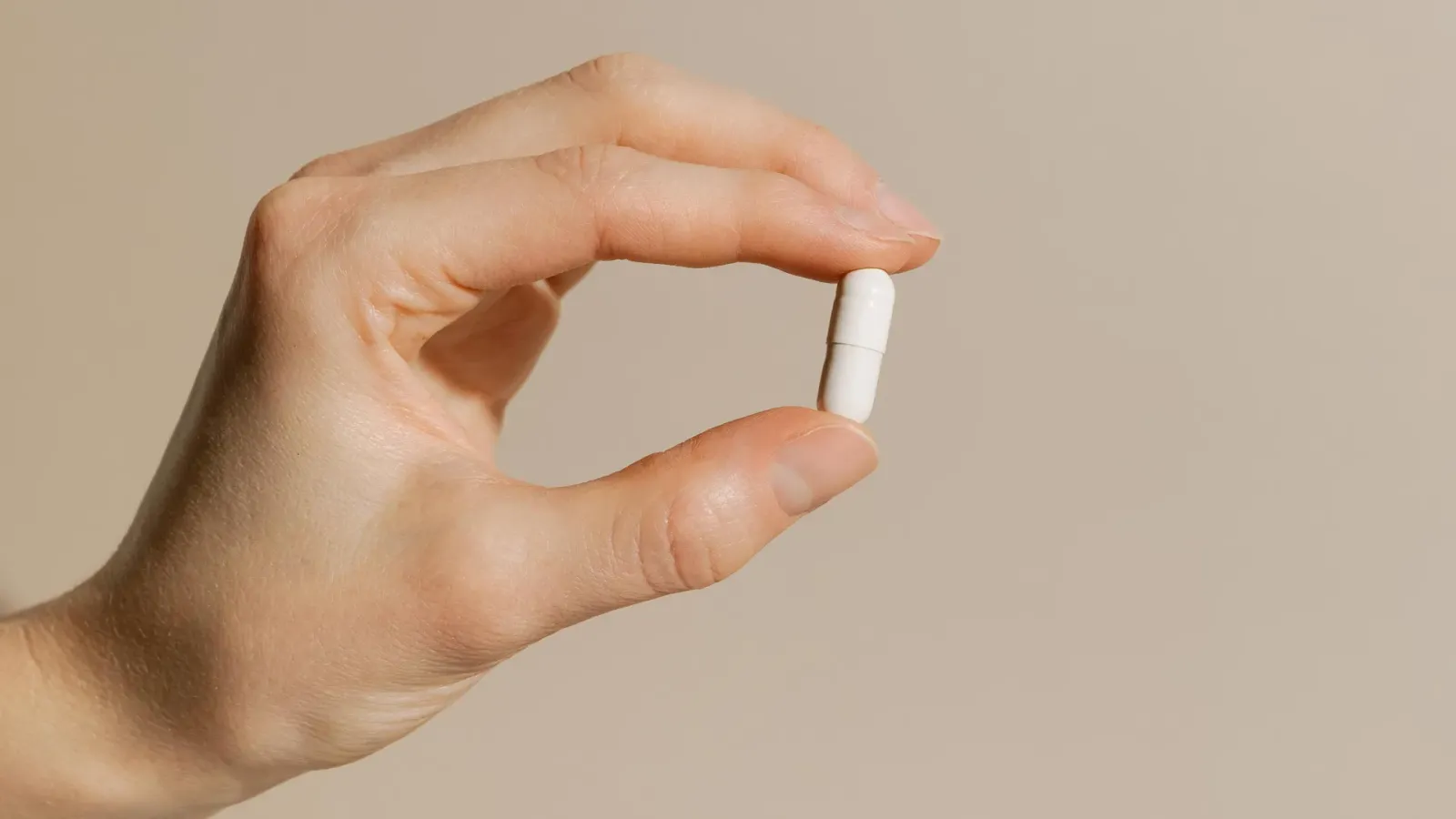
Healthy older adults saw measurable improvements in memory, physical performance, and stress after taking placebo pills for three weeks. The results matter for decision-makers because they challenge assumptions about how much “informed consent” undermines placebo effects.
Picture this: participants were told their pills were completely inactive. And still, their memory improved.
That is the core result from a study reported by ScienceDaily: healthy older adults experienced measurable improvements in memory, physical performance, and stress after taking placebo pills for just three weeks. The headline surprise is not that placebo can help. It is that placebo often worked even when people knew the pill was fake.
For executives, the immediate question is not “can placebo be spooky?” It is what happens to your expectations when knowledge is not enough to remove belief. In everyday life, we treat information as a control knob. Tell people what it is, and the effect disappears. This finding suggests the control knob has a limit. Even with transparent framing, the body and mind can still respond.
Now zoom out to the regulatory and clinical context that executives and boards should care about. Placebos sit at the center of how medical products prove they work. Regulators do not just care about whether an intervention has an effect. They care about whether that effect is real compared to what people do, think, and expect when they participate in a trial. In trials, expectation can create “noise” that makes it harder to measure a treatment’s true contribution. In practice, that is why blinding exists, and why placebo design is scrutinized.
But this ScienceDaily summary points to something more complicated than the usual blinding story. If a placebo can improve outcomes even when participants know the pill is inactive, then expectation may not be confined to covert deception. Instead, it could be tied to broader factors: the act of taking something, attention from study staff, a structured routine, and the psychological and physiological pathways that accompany believing there is a reason for the intervention. In other words, transparency does not necessarily eliminate placebo-associated improvements.
That matters for how you interpret study endpoints and how you think about patient experience. Memory, physical performance, and stress are not trivial metrics. They are the kinds of outcomes that affect quality of life, independence, and healthcare utilization. Even in healthy older adults, measurable gains after only three weeks suggest that the mind-body loop can respond quickly to contextual cues. When stress drops, sleep can improve. When stress changes, cognition can follow. When routines tighten, physical performance can shift. We cannot claim which pathway drove the effects from the limited source summary, but we can say the outcomes moved.
For decision-makers, the second-order implication is measurement risk. If placebo effects can persist despite participants knowing the pills are inactive, then trial design needs to account for that possibility. Boards overseeing clinical strategy should ask whether study protocols manage expectation effects in ways that remain valid under informed participation, not just under classic blind-and-forget assumptions. This does not automatically mean trial results become unreliable. It means placebo-associated improvement may show up under conditions that would previously have seemed “should be neutralized” by disclosure.
There is also an ethics and communication angle. Informed consent is not a box to check. It is a promise: patients should understand what is happening. The study described here suggests transparency does not necessarily destroy the effect, which can complicate the simplistic narrative that openness eliminates psychological benefit. For regulators and institutions, that can raise practical questions about how to frame participation, how to manage expectations without undermining scientific rigor, and how to consider the patient experience without blurring the line between treatment effects and contextual effects.
Zoom one more level outward into healthcare innovation and biotech incentives. Companies compete on clinical outcomes, and executives allocate capital based on what endpoints are likely to move. If placebo-associated effects remain robust even with disclosure, then “net treatment effect” estimates could be sensitive to behavioral and contextual design elements beyond the pharmacology itself. That could change how companies plan comparator arms, patient instructions, adherence support, and even the cadence of follow-ups. Some of these elements are already common. The difference is whether boards treat them as mere operations or as potential contributors to observed outcomes.
So what is the strategic stake for peers like you? This finding is a reminder that human biology is not separable from human context. A pill being fake does not mean the experience of taking a pill is powerless. In the study, healthy older adults improved in memory, physical performance, and stress after three weeks, and those improvements often occurred even when participants knew the pills were completely inactive. That should make executives revisit how they interpret clinical signals, how they structure trials under realistic disclosure, and how they think about the intangible drivers of measurable outcomes. Because in medicine, the quiet parts of the trial design can get loud, fast.
This story's Key Insights and Take-aways are locked.
Create a free account to unlock Executive Actions for one credit.
Register to UnlockAlways free for Executives Club members. Join the Club
More in Science

University of Ottawa’s UbiMyTherapist AI reads smartwatch and earbuds to spot distress early
A new approach aims to detect emotional distress automatically, so people do not have to ask for help first.

Hayabusa2 risks a 1 km flyby of Torifune July 5
Japan's probe hunts answers on a 450-meter asteroid while testing rapid reconnaissance for planetary defense.

California Polytechnic wins NASA’s $10,000 2026 Human Lander life-support prize
Top student designs in environmental control and life support for future Artemis landers just got real money and real momentum.