
PlatinumGames drops the TMNT: The Last Ronin game trailer after the R-rated movie was scrapped
A scrapped dark film gets replaced by a new game, and execs get a clear read on risk-taking in IP.
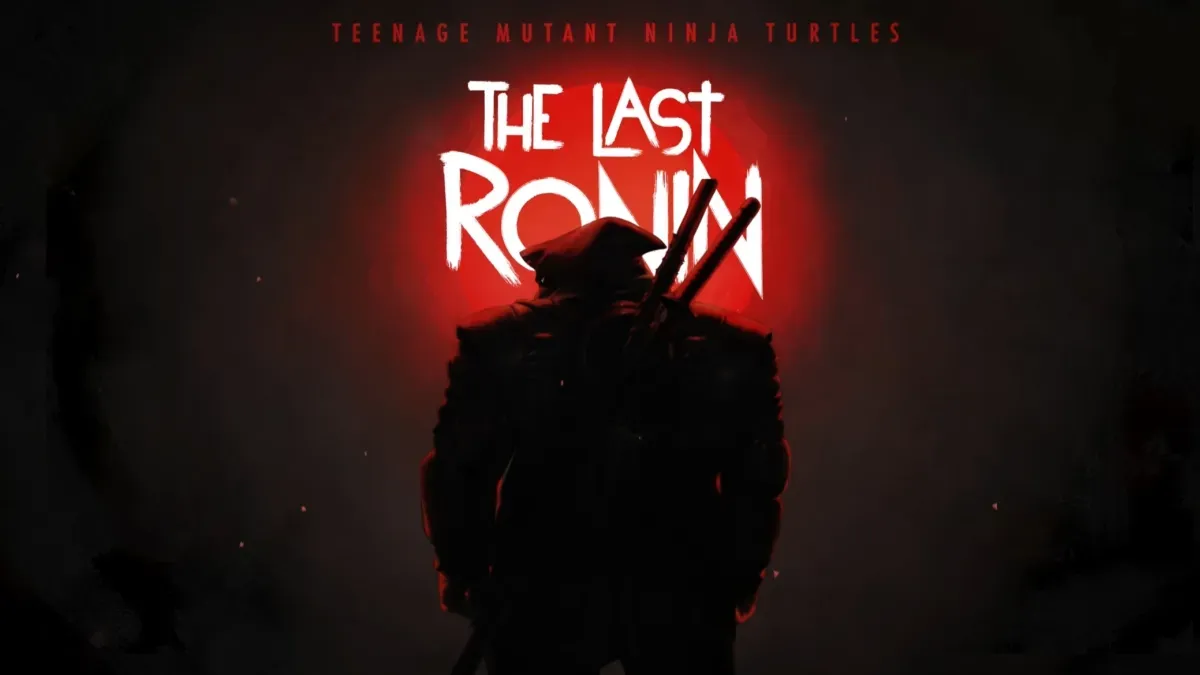
PlatinumGames revealed the first trailer for Teenage Mutant Ninja Turtles: The Last Ronin at Summer Game Fest. For decision-makers, it signals how studios can re-route risky, R-rated storytelling into a shippable product cycle.
Friday at Summer Game Fest, a TMNT fan expectation got a real gut-check. Instead of the R-rated movie that was supposed to bring a dark, gritty storyline to life, the project was scrapped. And just like that, the next best thing arrived in the form of a new game: Teenage Mutant Ninja Turtles: The Last Ronin, revealed with its first trailer.
This is the headline moment the industry cares about, because the game exists specifically “in lieu of” the scrapped R-rated movie. The dark tone is not just marketing flavor here. The storyline basis is described the same way as the canceled film, framed as “the dark and gritty storyline,” which matters because tone is the expensive part of entertainment. It impacts talent, production design, rating risk, and audience expectations. When the movie disappears, a game becomes the continuity plan, and it also becomes a different lever for the same creative intent.
Now zoom out to the decision mechanics. PlatinumGames is attached to the project, and that choice itself tells executives something about where the risk is being placed. PlatinumGames is known as the studio behind Bayonetta and Ninja Gaiden 4. That background matters because both franchises have a specific identity, and that identity is usually built around action feel, pacing, and combat clarity. If you are a publisher, a board member, or an investor, you care about how reliably a studio can deliver on a tone-shaping promise without over-spending to invent a whole new playbook. The move from a film to a game is not just a consolation prize. It is a structural shift in how the IP’s “dark and gritty” ambition is executed, iteration-friendly instead of locked in by production schedules and rating determinations.
Summer Game Fest is also the right stage for this kind of pivot. The show is built for discovery and momentum. Announcements at events like this are not passive. They are public alignment signals, and in game development that alignment can affect everything downstream: how partners plan marketing, how retailers and distributors judge demand, and how internal teams rally around a release pathway. The first trailer is the key instrument. It does the work that a press release cannot. It shows whether the tone you were aiming for actually lands in motion, and it also tests audience pull in real time.
Here is where the “in lieu of a scrapped R-rated movie” framing becomes more than a fan story. Scrapping a movie is expensive, and it often means a combination of practical constraints, market appetite, or feasibility issues. Even without the exact reason in the source, the consequence is concrete: the pipeline had to be reconfigured. When a studio or publisher has to absorb that kind of interruption, the strategic goal becomes continuity. Keep the IP heat alive. Keep the creative momentum. Do not let the audience move on to the next shiny thing. A game reveal is a classic continuity move, and it is especially potent for established brands, where nostalgia can fund attention while the new product earns its own identity.
There is also a second-order implication for executives overseeing other IP projects with rating-sensitive ambitions. R-rated storytelling in mainstream blockbuster worlds can be a high-wire act. The rating itself shapes distribution strategies and advertising limitations. Even when the creative is solid, the business constraints can dominate. A game format shifts the calculus. It still faces content considerations, but it is typically less bound to theatrical logistics and can iterate based on player feedback, internal milestones, and market response. So the TMNT pivot becomes a case study in creative risk rerouted into a format that can better absorb uncertainty.
Finally, think like a peer decision-maker. If you are a CFO evaluating whether to fund a bold tone, you now have a real example of a company using product strategy to bridge a broken pipeline. If you are on a board, you may ask how this re-route protects brand equity and avoids sunk-cost blowback. If you are an operator, you may focus on execution: the first trailer is not the end, it is the gate. It creates expectations. The title Teenage Mutant Ninja Turtles: The Last Ronin ties the project to a specific identity and tone, and PlatinumGames is the studio you expect to deliver on the action promise.
For now, the facts are simple and sharp: Teenage Mutant Ninja Turtles: The Last Ronin was announced on Friday at Summer Game Fest. It is coming from PlatinumGames. And it arrived because the R-rated movie based on the dark and gritty storyline was scrapped. The strategic stakes are not “will fans like it.” The stakes are whether an IP can survive a creative discontinuity, and whether a studio can convert a canceled, risk-heavy plan into a product cycle that still carries the original creative intent.
This story's Key Insights and Take-aways are locked.
Create a free account to unlock Executive Actions for one credit.
Register to UnlockAlways free for Executives Club members. Join the Club
More in Entertainment

Christopher Nolan’s “The Odyssey” posts his biggest Tuesday haul, surpassing “The Dark Knight’s” record
The film’s Tuesday breakout reframes Nolan’s box-office ceiling and forces competitors to rethink timing, budgets, and release strategy.

Kacey Musgraves cancels Aug. 20, 29, Sept. 2 Middle of Nowhere shows
Ticketmaster emails are telling fans refunds are coming, while the tour still starts Aug. 21 in Chicago.

Billie Joe Armstrong launches Epiphone Les Paul Junior and Marshall 1959BJA signature gear
Two limited releases turn decades of Green Day’s tone into branded hardware, including Marshall’s first artist amp in 14 years.