

PlaySide delays Game of Thrones: War for Westeros from 2026 to early 2027
The RTS revival in Westeros just needed more runway, and the holiday rush is getting even uglier.
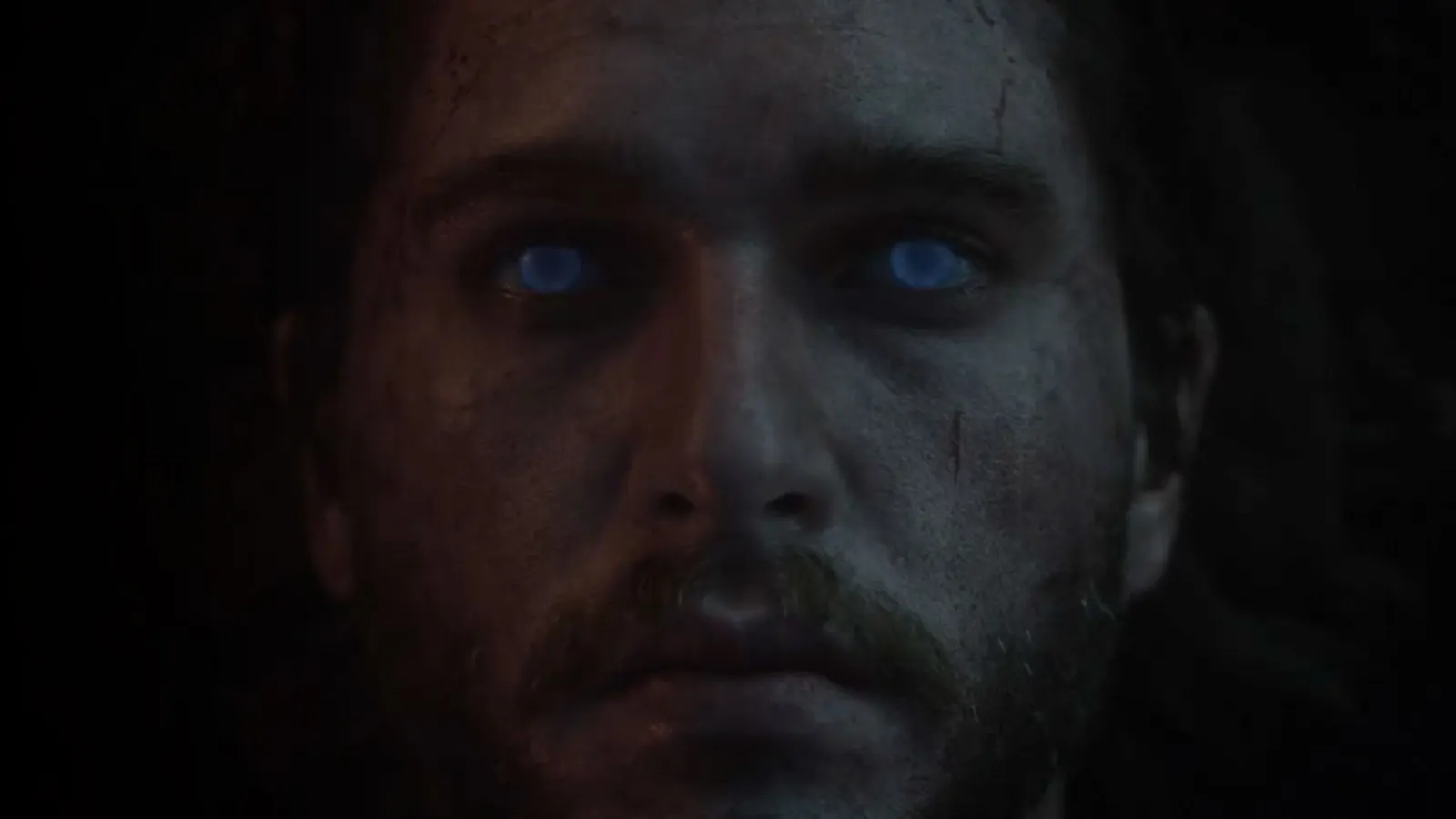
PlaySide Studios has pushed back the release window for Game of Thrones: War for Westeros, originally set for 2026, to early 2027. For decision-makers, the delay signals how crowded Q4 is getting and how production targets are forcing bigger calendar moves across major publishers.
PlaySide Studios has officially moved Game of Thrones: War for Westeros off its original 2026 window and into early 2027. The studio says it needs the extra time to “continue building towards that goal” and “ensure that the game reaches the high level of quality we are aiming for,” framing the slip as runway, not retreat.
That simple change is a big deal for anyone tracking release calendars, marketing budgets, and backlog strategy. If you had assumed the Game of Thrones RTS would land in 2026, the decision now shifts your expectations for when the title can meaningfully compete for attention, and when it can start generating revenue momentum. PlaySide also reiterates its mission: to deliver a real-time strategy game set in the world of Westeros that meets expectations of both RTS players and Game of Thrones fans. Translation: the studio is betting that brand power is not enough without matching the genre’s standards.
In its official blog post, PlaySide adds that the delay comes with additional development updates. The studio promises skirmishes in regions across the seven kingdoms, continuing to show that the project is progressing even as the calendar moves. It also makes specific mention of locations tied to major franchise iconography, including King’s Landing and The Wall, along with Ashemark. The messaging is clear: while the release window changes, the content roadmap is not frozen.
One of the most concrete nods is to Robb Stark’s campaign. PlaySide says it will take place at Battle of the Five Armies. For executives, this matters because licensed IP titles live or die on perceived faithfulness. The “high level of quality” line is the studio’s attempt to de-risk that expectation. It also implies that the team believes the game needs more time to get the details right, not just to reach “minimum viable fun.”
Zoom out, and this delay is part of a broader industry rhythm. IGN notes that War for Westeros is not the only title pushed to early next year. Several other major games have also made similar moves, including Danganronpa 2x2, Lords of the Fallen 2, and Tomb Raider: Legacy of Atlantis. The reason, at least in part, is an increasingly busy holiday calendar, where too many launches collide for the same audience time, platform featuring, and influencer bandwidth. When that happens, studios face a real tradeoff: ship and risk underperformance, or delay and hope demand stays strong enough to justify the extra development and marketing burn.
There is also a second-order competitive effect hiding in plain sight: the noise factor from GTA 6. IGN calls out the noise that GTA 6 will create on release in November 2026. Even if a title serves a different segment than Grand Theft Auto, attention is a zero-sum resource. Holiday performance often depends on more than genre fit. It depends on what players see, what streamers play, and what storefronts promote. A game delayed from 2026 to early 2027 can be a deliberate attempt to avoid being drowned out in the loudest period of the year.
From a governance and board-level standpoint, this kind of shift usually raises the question, “Are we buying quality, or are we postponing problems?” PlaySide is trying to answer that with process language: extra time to build towards a goal, and confidence that the final product meets both RTS players and Game of Thrones fans. The studio also thanks players for patience and continued support, explicitly acknowledging that “the wait has been long.” That matters because community sentiment can become a measurable asset or liability. When delays are handled with transparent progress markers, it can reduce churn and preserve long-term goodwill, which is essential for a title tied to an enduring franchise.
For executives across gaming, the strategic stakes are straightforward. Release windows now function like financial instruments. Push them too late without clear progress, and you risk cost overruns and weaker launch conversion. Ship them too early into a crowded schedule, and you risk product quality issues that are expensive to fix after launch. War for Westeros moving to early 2027 is a signal that studios want breathing room, especially when the market calendar is packed and attention is being actively contested by other tentpole releases.
This story's Key Insights and Take-aways are locked.
Create a free account to unlock Executive Actions for one credit.
Register to UnlockAlways free for Executives Club members. Join the Club
More in Entertainment

12TB Steam 'teraleak' goes beyond Valve: GTA 3, Mafia 2 prototypes exposed
A 12-terabyte dump of Steam data reveals prototypes and builds of third-party classics like GTA 3 and Mafia 2, plus unreleased Valve content, rewriting game history.

LinkedIn's romance problem: 1 in 4 workers say dating on it is fair game
A new survey shows a quarter of U.S. employees treat the professional network as fair game for romance, even as LinkedIn bans it and removes hundreds of thousands of offending posts.

Enhypen's first No. 1 album breaks K-pop's Billboard 200 streak
The K-pop group's 98,000-unit debut tops the chart while Dolly Parton's catalog reentry shows how death reshapes streaming.