

PlayStation ends game disc production in January 2028, and historians want ESA to act
The Video Game History Foundation calls the move disappointing but unsurprising, then lays out what “preserving games” requires now.
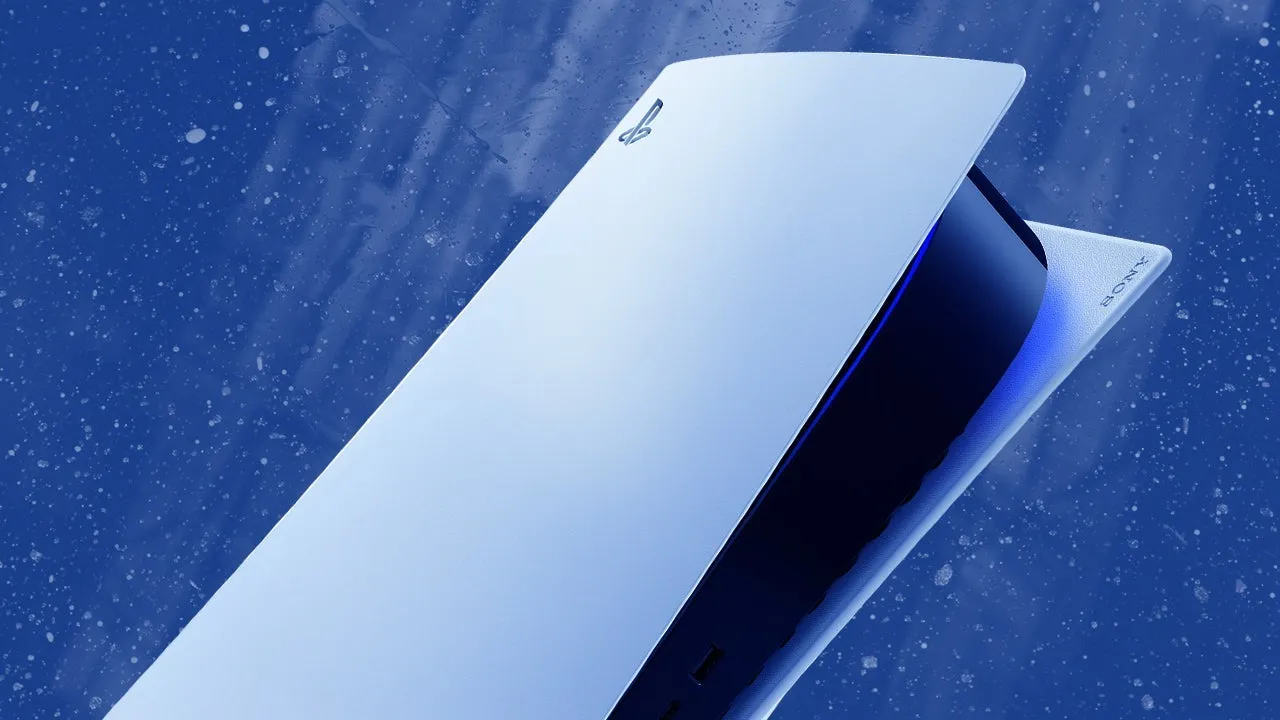
PlayStation will stop producing game discs in January 2028, prompting responses from the Video Game History Foundation, Lost in Cult, and GOG. The fallout matters for retailers, platform owners, and trade groups because digital preservation and access for research now collide with digital copy protection policy.
PlayStation is ending game disc production in January 2028, and the reaction is less “wow” and more “okay, but what happens to history?” The Video Game History Foundation said the news is disappointing, but also hardly surprising. In its view, the industry has already shifted away from true physical media support for years, even when discs still show up in stores. Many physical games still require downloads from the internet, and some major titles are not printed on discs at all, with Grand Theft Auto 6 called out as an example.
That matters because the Foundation is not just grieving the loss of a format. It’s challenging the expectations around who should carry the preservation burden. “What continues to baffle us is what the industry expects institutions like ours to do about it,” the organization said. It argues that if platform owners eliminate physical media and older digital storefronts, then trade groups like the Entertainment Software Association need to offer meaningful solutions so archives and museums can legally preserve digital-only content and make it accessible for research.
This is where the debate gets real, fast. The Foundation says everyone agrees preservation is a serious problem, but that the ESA has repeatedly opposed efforts by cultural heritage institutions to reform digital copy protection laws to make preservation work easier. In other words, the issue is not only technical. It is legal and procedural. The Foundation is pushing a concept that sounds simple until you try to operationalize it: libraries and museums cannot just “download a copy” of games and hope they still run decades from now.
Lost in Cult, a boutique gaming book publisher and advocate of physical media, echoed the disappointment. The company said it is “deeply saddened” by PlayStation’s decision to end physical disc production from 2028 and added that it will do what it can to preserve video games. The specific angle here is straightforward: even if the broader industry has moved toward downloads and DRM, there is still value in maintaining formats and records that can survive changing storefronts, evolving operating systems, and the simple passage of time. Retailers have been selling discs as collectibles and consumer products; historians and preservationists are trying to make the case that they are also cultural infrastructure.
GOG’s response highlights another piece of the puzzle: what happens when a store delists a game. GOG, a DRM-free PC storefront, noted that it does not revoke access to digitally owned games even if a title is removed from its store. “Even if a game vanishes from the GOG storefront, it never leaves your library. Exactly as digital ownership ought to be,” GOG said, in a post shared July 1, 2026. For executives and board members, this is a reminder that “digital ownership” can mean wildly different things across ecosystems. Some platforms bundle access with services and licenses that can change. Others treat ownership more like a stable right tied to an account, and they build their pitch on that distinction.
Then there is the retail optics, which is where the week started to feel like a sitcom with a tech policy subplot. GameStop jumped into the discourse by sharing a photo from a customer in Columbus, Ohio, who traded an Xbox 360 collection for over $1,000 in-store credit. The credit was used to buy PS5 games. The irony was obvious to onlookers, and many mocked both the situation and the “trade value” for such a large stack of older discs, according to the IGN recap. Whether the trade amount is meaningful or not for the broader market, the visual tells a story about transition periods: consumers are still moving physical backstock into credit systems while platform owners are moving toward fewer or no discs.
And just when the industry thought it could focus on one headline, another report landed. IGN notes a report claiming the next Xbox will not have a disc drive, and that Microsoft is exploring ways to digitize physical libraries. Put together with PlayStation’s January 2028 disc production end, this adds pressure to the same uncomfortable question: what should happen to games once the supply chain for physical media stops?
For executives, this is not just culture war territory. It’s a downstream risk for customer goodwill, long-term brand trust, and the practical reality that “preservation” can turn into a political problem if the law, incentives, or corporate policies make preservation harder rather than easier. Platform owners deciding to eliminate physical media and older digital storefronts may believe they are modernizing distribution. Preservationists argue that the current model shifts costs and responsibilities to institutions that cannot necessarily get the legal permissions and technical access needed to preserve digital-only content and verify it over time. The Foundation’s bottom line is blunt: asking museums to download a copy of Grand Theft Auto VI and hope it will run in 50 years is not a preservation solution.
So for peers in similar roles, the stake is simple. If you are building platforms, running distribution, or setting policy positions through trade groups, you can’t treat “the future of game history” as a side project. The industry is getting pushed toward a reckoning where technical decisions and regulatory posture converge. The question now is whether the organizations that profit from distribution will meaningfully come to the table on archives and legal preservation, or whether the burden will keep falling on smaller institutions doing high-stakes work with low leverage.
This story's Key Insights and Take-aways are locked.
Create a free account to unlock Executive Actions for one credit.
Register to UnlockAlways free for Executives Club members. Join the Club
More in Business
Comcast shares jump 25% as it plans to split NBCUniversal and Sky
The tax-free spin-off could reshape focus, funding, and competition across media and tech for years.

Bungie cuts most Destiny 2 staff as Sony says Marathon still matters
Herman Hulst confirms layoffs affecting most Destiny and some Marathon teams after Bungie admits Destiny fell short.

SK Hynix jumps 11% after seeking up to $29.4B in Nasdaq listing
The chip giant filed for a Nasdaq listing plan that could raise $29.4 billion, instantly reshaping investor expectations.