
Playtonic turns Yooka-Laylee into an arcade racer with Super Yooka-Laylee Kart
The platformer franchise is getting a Mario Kart-like makeover, and it changes how investors should think about Playtonic’s next risks.
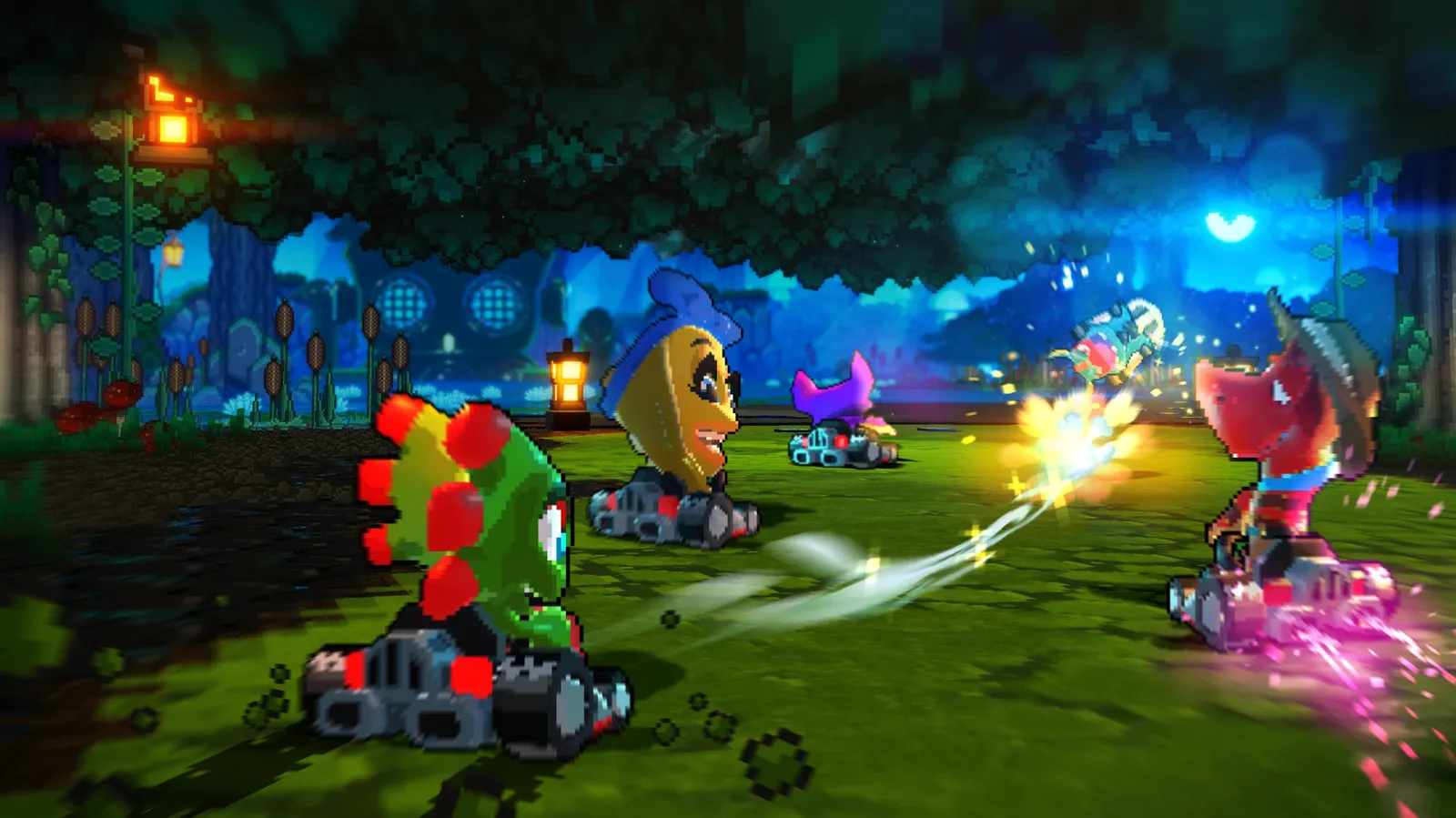
Playtonic is shifting the Yooka-Laylee series away from platforming toward a familiar arcade racing setup in Super Yooka-Laylee Kart. For decision-makers, the move signals a strategy pivot that could affect development focus, audience fit, and how the franchise monetizes next.
Playtonic is shifting the Yooka-Laylee series from platforming to familiar-looking arcade racing with Super Yooka-Laylee Kart. In other words: the characters and vibe remain, but the core gameplay loop changes. Instead of precision platform challenges and level mastery, you get a kart racing format that immediately calls to mind the modern comfort food of competitive couch and party play.
That change matters because it is not just a new mode or a side project. It is a franchise pivot, and those are expensive in time, money, and brand expectations. When a studio moves a well-known property into a new genre, it is gambling on two things at once: that the existing fanbase will follow, and that the new gameplay will attract enough new players to justify the switch. Super Yooka-Laylee Kart is positioning itself as “old-school Mario Kart for the modern age,” which is basically a mission statement. It wants the immediacy of classic arcade racing while still fitting into today’s audience habits.
To understand why this kind of pivot is a big deal, zoom out to how racing games typically live in the market. Kart racers tend to be built for repeatable sessions, quick learning curves, and competitive variety, which can make them well suited to live operations later on, even if a particular launch does not promise a full service roadmap. Platformers, especially the types associated with the Yooka-Laylee identity, often reward longer-form skill and exploration. Those are different production rhythms. Racing has to nail controls, tracks, item interactions, and balance. Platforming leans more on level design, movement tech, and timing-based challenges. Switching genres can mean re-educating your internal development muscle memory, even if the art style and characters carry over.
There is also the second-order implication for how audiences evaluate studios. Franchise audiences are not just buying content, they are buying a pattern of competence. If Playtonic nails the arcade racer experience, it can broaden the studio’s reputation from “platforming specialist” to “multigenre builder.” If it misses, the damage can be sharper than a normal sequel because the studio effectively asked players to re-approve the company’s direction. That is why the market always watches pivots more closely than sequels.
From a board and investment lens, this move suggests Playtonic is trying to de-risk growth by aligning with a familiar structure. Familiar can mean more predictable player behavior, clearer onboarding, and a clearer path to social sharing. It can also mean a different cost structure. Arcade racers can require significant testing to get item logic and balance right, especially if the vision includes competitive or multiplayer play. Even when a game is “old-school,” the modern expectation includes polish, stability, and a UI that makes sessions readable fast. That does not kill the project, but it does shift what “done” looks like.
Now add another layer: regulatory and compliance in games usually shows up differently when projects change. Kart racers can involve online features, matchmaking, and user generated content in some cases, and those systems tend to come with extra platform requirements and moderation expectations if they exist. The source does not detail those specifics for Super Yooka-Laylee Kart. Still, the strategic reality is that changing genres often changes feature sets, and feature sets tend to drive compliance work. Even without making any claims about what is included, the pivot itself is a reminder that operational maturity matters as much as creative ambition.
For peers and decision-makers thinking about their own roadmap, the lesson is less “copy the genre” and more “understand the swap.” Playtonic is taking a known franchise identity and swapping the primary gameplay rhythm. That can unlock new audiences and new monetization patterns, but it forces a deeper reset of product-market fit. If you are on a board, you should treat genre pivots like product launches with a higher variance profile. If you are leading a studio, you should map what parts of your pipeline carry over cleanly from platforming to racing, and what parts will be rebuilt from scratch.
Super Yooka-Laylee Kart is the signal: Playtonic wants to translate Yooka-Laylee charm into an arcade racing experience, aiming for the familiar feeling of classic kart competition while dressing it in a modern shell. The stakes are simple and real. Get it right, and you expand the franchise and your studio’s credibility. Get it wrong, and you may spend the next cycle proving you can still do what players originally loved.
This story's Key Insights and Take-aways are locked.
Create a free account to unlock Executive Actions for one credit.
Register to UnlockAlways free for Executives Club members. Join the Club
More in Technology

OpenAI says 10,000 agents cracked a 90-year math problem in 88 hours
The company's claim is audacious, but one mathematician is pushing back. Here's what it means for AI-driven discovery.
Meta still serves child sexual abuse ads on Instagram in India - BBC report
A new report following the BBC Eye investigation says the ads are still there - what it signals for every platform with a self-serve ad engine.

White House yanks 'Build the Wall' game after Tetris Company copyright warning
The administration's arcade game vanished in hours - and the takedown playbook every brand can learn from.