
PM and chancellor issue joint memo telling ministers to stick to spending limits
Ahead of the 28 October Budget, they frame fiscal rules as “stability” for families and a constraint for policymakers.

The BBC reports that the PM and chancellor sent ministers a joint memo urging them to stick to spending limits ahead of the Budget on 28 October. The chancellor says the Budget will “meet our fiscal rules” and provide families “stability” to plan for the future, signaling tight policy guardrails to decision-makers.
In a joint memo, the PM and chancellor are telling ministers to stick to spending limits ahead of the Budget on 28 October. The chancellor’s pitch is simple, and it is doing double duty: the Budget will “meet our fiscal rules” and give families “stability” to plan for the future.
That matters because UK fiscal rules are not just a moral guideline or a talking point. They are a policy constraint that shapes what the government can credibly promise, how quickly it can act when pressure builds, and how markets and households interpret every new announcement. When the chancellor says the 28 October Budget will “meet our fiscal rules,” the subtext is that this government is trying to prevent a scenario where spending creep erodes credibility. In other words, the memo is not merely internal process. It is a signal to anyone watching the UK’s fiscal stance, from investors to borrowers to budget holders inside government.
To understand why this kind of message lands with force, you have to understand how fiscal promises usually ripple through the economy. Budgets set the frame for tax policy and public spending, and those frames influence planning decisions far beyond Whitehall. Businesses decide when to hire, when to invest, and how cautiously to price risk based on expectations for demand, regulation, and macro stability. Households, meanwhile, respond to the feeling that the future is knowable. The chancellor’s phrase “stability” is not accidental word choice. It is aimed at behavior: if families believe policy will not whipsaw them, they can plan purchases, savings, and household budgeting with more confidence.
The government is also managing a political and administrative reality. Ministers often face competing pressures: departments want room to fund priorities, political leaders want visible wins, and stakeholders push for exceptions. Joint memos are the administrative equivalent of putting a speed limit sign in front of a car with a lead foot. They tell decision-makers what not to do, before the debate begins. The headline instruction, “stick to spending limits,” is essentially about preventing downstream scrambling when new policy ideas collide with fiscal arithmetic.
And the arithmetic is where the credibility test lives. “Fiscal rules” are meant to discipline choices over time, so that today’s spending is not mistaken for tomorrow’s solvency problem. If the Budget on 28 October is framed as meeting those rules, the chancellor is trying to pre-empt the usual doubts: will the numbers hold up, or will promises balloon into future tax increases or spending cuts? Decision-makers across the public and private sectors listen for that distinction because it affects cost of capital, long-term contracting, and risk premiums. When fiscal promises sound firm, financing gets easier and uncertainty can fall. When they wobble, the economy pays for the wobble.
There is also a second-order governance implication for boards and senior executives who pay attention to policy. When a government issues clear guardrails to ministers, it often reflects a broader strategy: reduce the chance of policy whiplash. Executives typically prefer a stable operating environment, not just for comfort, but for fundamentals like forecasting, compliance planning, and workforce decisions. Even if the direct memo is internal, the strategic message travels outward. It says the chancellor wants fewer surprises in the policy pipeline, and more predictability for the people affected by it.
So what should someone in a leadership role do with this information? Treat the Budget date, 28 October, as a checkpoint where the government is trying to prove it can hold to its own constraints. If you run a company that depends on government spending, public procurement, or consumer confidence, fiscal rule adherence is a practical input to planning, not a background detail. And if you sit on a board, the memo is a reminder that policy credibility is an asset. It can lower uncertainty. It can also constrain what management is allowed to assume in the near term. Either way, it will shape the planning conversation long before any single policy line hits the statute book.
This story's Key Insights and Take-aways are locked.
Create a free account to unlock Executive Actions for one credit.
Register to UnlockAlways free for Executives Club members. Join the Club
More in Politics
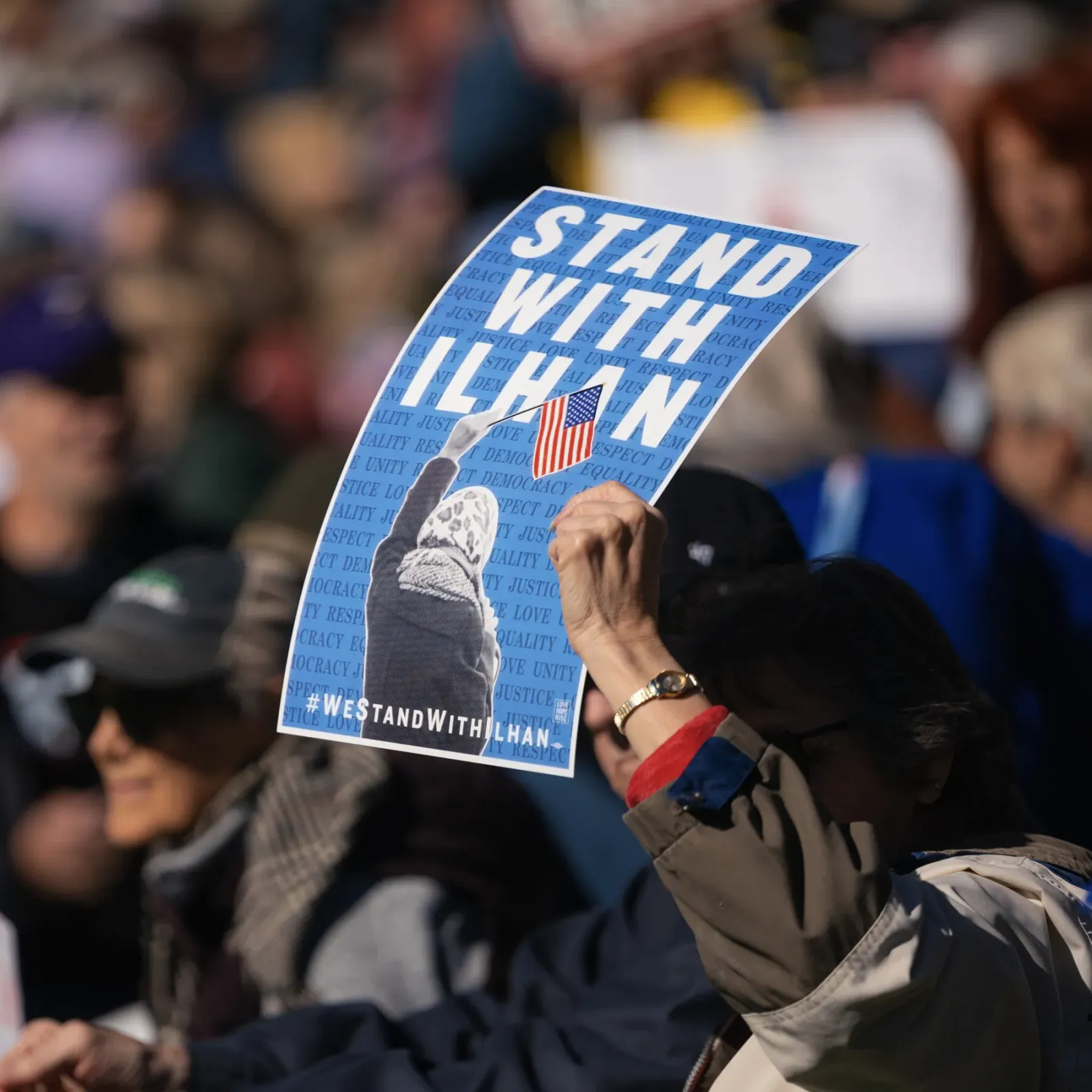
Obama Defends Ilhan Omar After Agents Search Her Home in Trump Inquiry
The former president's intervention raises the stakes in a federal probe into immigration paperwork that has put a prominent progressive lawmaker in the crosshairs.

Blair-era minister: cut welfare to fund youth job support
Alan Milburn's call for welfare cuts to fund employment support opens a Labour fight over benefits and the Neet crisis.
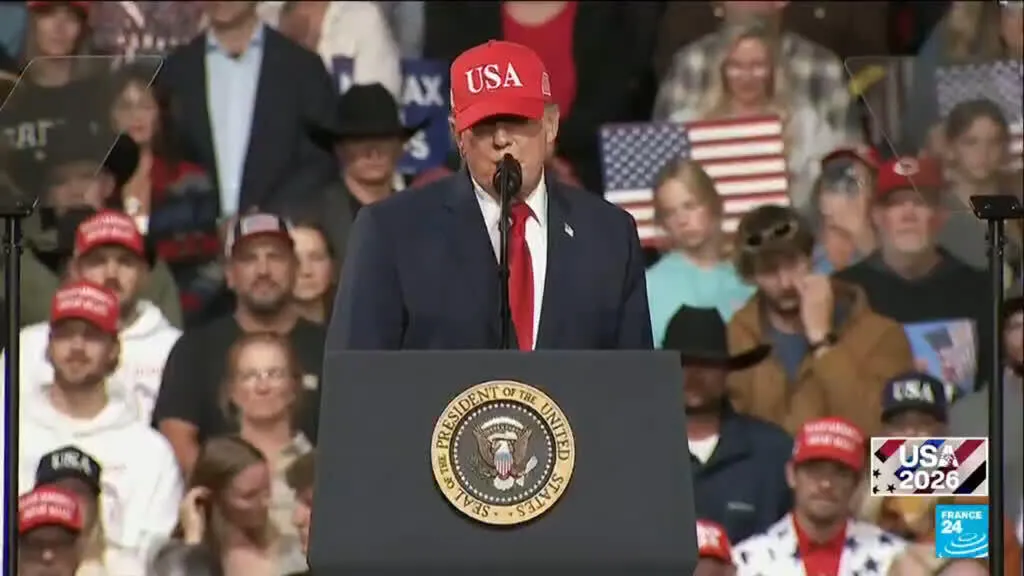
Hot September CPI: energy costs surge, voters feel the squeeze before midterms
The latest inflation print lands as Trump campaigns for GOP control of Congress, putting cost-of-living worries at the center of the midterm fight.