
Polar geoengineering sprays could force flights through sulphuric acid clouds
A climate “fix” aimed at the Arctic and Antarctic could create new aviation safety risks for passengers and crew.
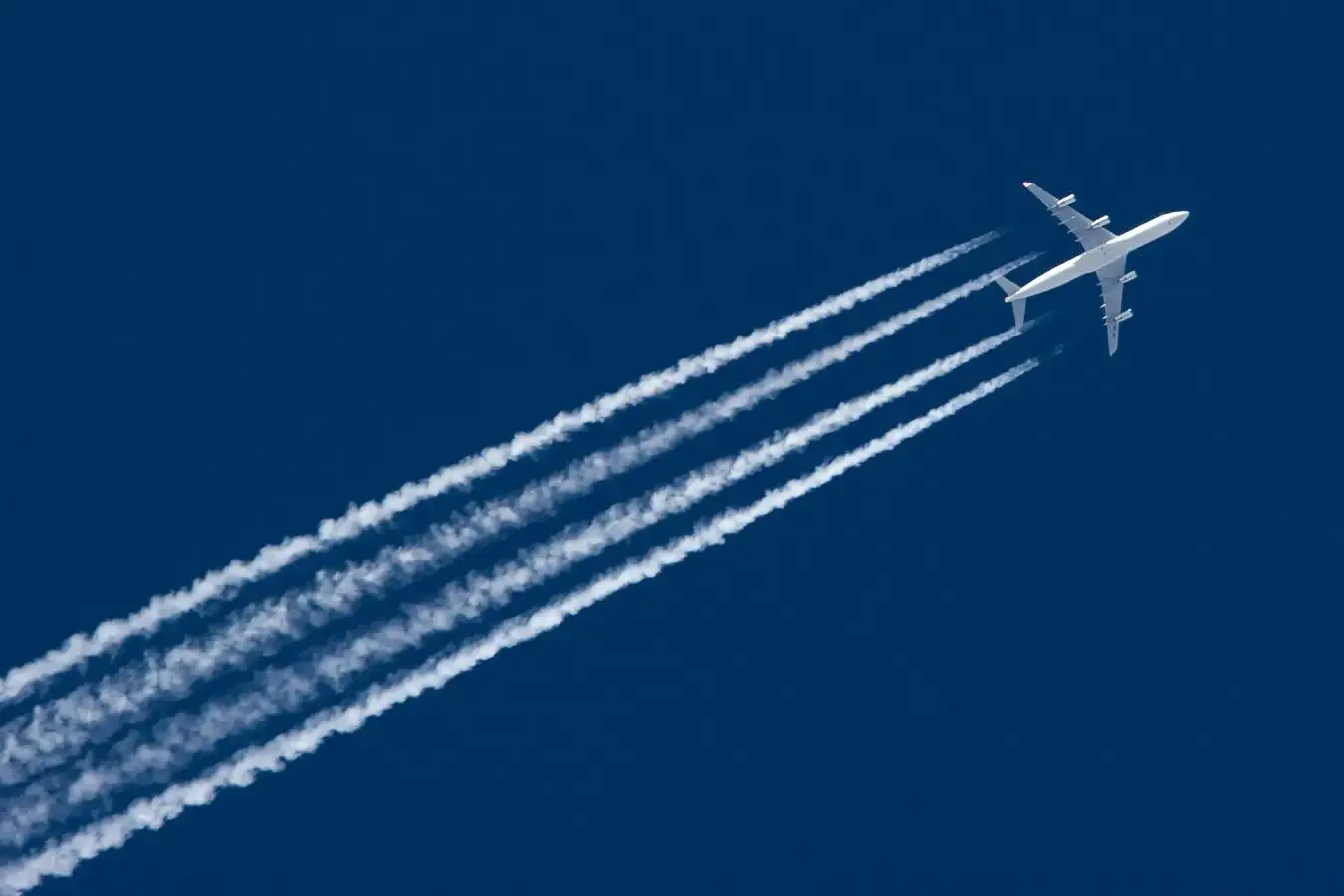
New Scientist reports that a proposed geoengineering method to counter global warming by spraying sun-reflecting particles near the poles would likely cause commercial flights to pass through clouds of sulphuric acid. For decision-makers, that safety exposure changes the risk calculus for companies and governments weighing geoengineering as a climate lever.
A proposed geoengineering approach designed to counter global warming by spraying sun-reflecting particles near the poles would also put commercial aviation in the blast radius. New Scientist reports that flights could pass through clouds of sulphuric acid, creating a danger to passengers and crew. In other words, a plan built for the sky could become a problem inside the cabin.
This is the core of the warning: the technique does not just alter the radiation reaching Earth, it also changes the chemical environment above key flight routes. By releasing materials that lead to sulphuric acid clouds, the proposal effectively turns a climate intervention into an aviation hazard. The operational takeaway is immediate. If airlines and regulators believe the risk is real and persistent, flight planning, safety assessments, and emergency preparedness would need to account for an atmospheric byproduct, not just weather.
Why does this matter beyond aviation? Because geoengineering proposals are inherently “cross-industry.” A method conceived in climate science quickly becomes a logistics, insurance, and liability question. Airlines are not passive bystanders. They operate on tight safety standards and strict liability frameworks that generally require demonstrable risk management. If an intervention plausibly increases exposure to corrosive substances like sulphuric acid in the atmosphere, the debate stops being theoretical and becomes procedural: what evidence is required, how exposures are monitored, and what thresholds trigger operational changes.
There is also a regulatory angle that executives should treat like a live wire. Geoengineering sits in a zone where existing environmental rules and aviation safety rules may not cleanly map onto a new, deliberate atmospheric modification. Regulators typically demand a clear line between what is released, what it does, and what the risk is to humans and infrastructure. In this case, New Scientist points to sulphuric acid exposure for passengers and crew, which is exactly the kind of “human safety” issue that tends to force more formal oversight, more conservative timelines, and more scrutiny of any real-world deployment plan.
Boards and investors should think about incentives too. Climate interventions are often framed as a response to the urgency of warming, but urgency can tempt actors into moving faster than oversight systems can keep up. If a proposal creates a new hazard category for commercial aviation, decision-makers face a credibility test. The same plan that aims to reduce climate impacts would be criticized for shifting harm to another domain. That creates reputational risk for proponents, and potentially political risk for governments that might consider authorizing tests.
The second-order implication is that geoengineering can also destabilize the “risk permissions” that other industries rely on. Aviation depends on stable assumptions about atmospheric chemistry and predictable exposure conditions. Even small changes can force costly adjustments, like aircraft maintenance considerations, cabin safety reviews, and revised procedures for dealing with haze or cloud environments. Insurance markets also hate uncertainty, especially uncertainty that is linked to new externalities. If the chemical risk is not sharply bounded, premium calculations and coverage terms can shift, and that can ripple back into airline cost structures.
Strategically, this headline is a reminder that climate “solutions” rarely come in single-sector packages. Polar spraying might be aimed at global temperatures, but New Scientist’s reporting highlights a direct, human-facing danger for a completely different stakeholder group: people who book flights, work as crew, and rely on aviation safety systems. If executives across climate, energy, and transportation are modeling geoengineering as an option in their scenario planning, this is the kind of constraint that can change the outcome. The key question is no longer only whether the intervention works on radiation. It is also whether it introduces unacceptable risks in the places humans actually travel.
For companies and leaders watching the geoengineering conversation, the move is to treat aviation safety exposure as a gating item, not a footnote. Any credible path forward would need to address how sulphuric acid clouds would form, where they would drift, how often commercial routes intersect them, and what protections exist for passengers and crew. Until those questions are answered with evidence robust enough for regulators and operators, this proposal reads less like a neat climate lever and more like a new category of operational and legal risk.
This story's Key Insights and Take-aways are locked.
Create a free account to unlock Executive Actions for one credit.
Register to UnlockAlways free for Executives Club members. Join the Club
More in Science

Alaska's 1,580-foot tsunami had warning signs. Scientists just found them.
Rapid glacier retreat, heavy rainfall, and thousands of tiny tremors preceded Alaska's 1,580-foot tsunami, a warning for every coastal community in a warming world.

The rare mutation that lets high-risk brains dodge Alzheimer's
Scientists found a natural defense against protein buildup, opening a new path to preventive treatments.

3,000 steps a day may halve Alzheimer's decline, study finds
New research links a modest daily walk to less tau buildup and nearly half the cognitive and functional decline, even for those with early signs.