

Premier League clubs have spent £1bn+ already, and transfer-window work is only accelerating
The spending surge is real today, and the second wave is coming. Here is how clubs plan for the busy weeks ahead.
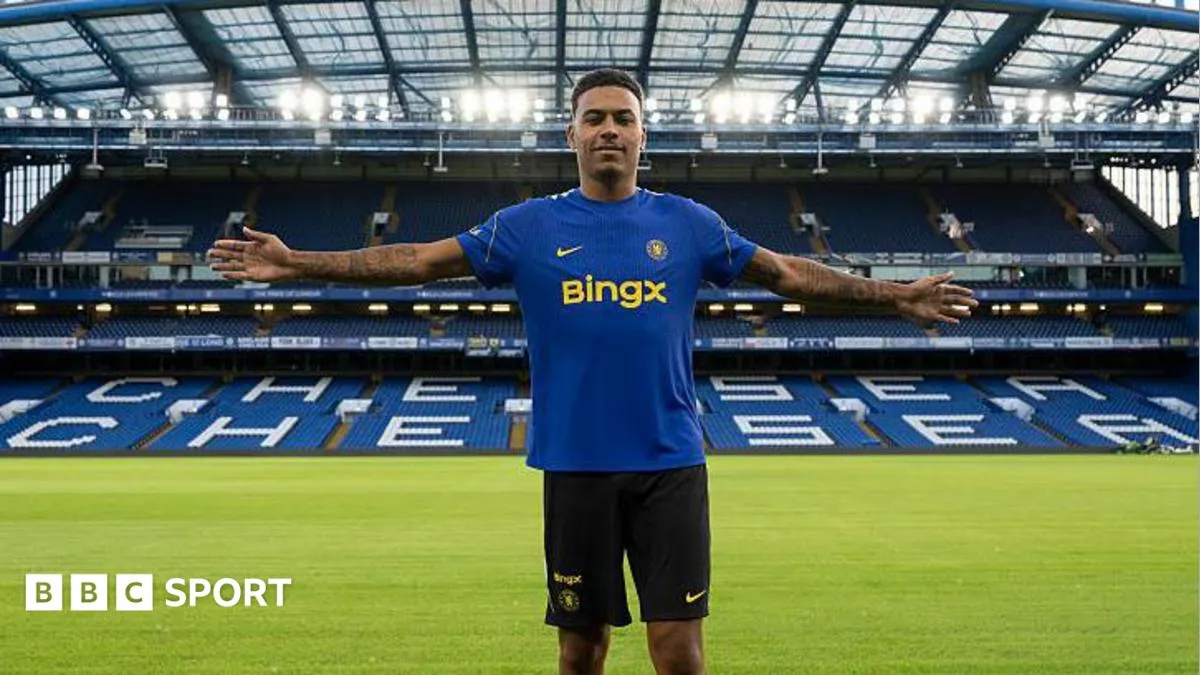
Premier League clubs have already spent more than £1bn in the transfer window, according to BBC Sport, and the activity is expected to intensify. For decision-makers, that means more squad-planning, budget management, and contract readiness than most teams can handle at once.
Premier League clubs have already spent more than £1bn in the current transfer window, and BBC Sport reports they are expected to only get busier from here. The key word is not “spent,” it is “only get busier.” That is a practical signal that the rest of the window will likely bring more deals, more last-minute negotiations, and more knock-on effects across squads.
For boards and exec teams, that matters because early spending rarely ends cleanly. It tends to create a chain reaction: once clubs commit money to one position, they often feel pressure to close other gaps before the market tightens further. And when the total already passes the £1bn mark, you are not just looking at isolated recruitment. You are looking at a league-level arms race, where rivals use the same calendar to pressure each other’s choices. In other words, “only get busier” is not about vibes. It is about momentum.
Transfer windows are basically time-boxed auctions disguised as football operations. Clubs have limited weeks to sign players, agree fees, align wages, structure add-ons, and manage paperwork. Even if a team wants to be calm, the window dynamics do not reward calm for long. As other clubs move early, prices can rise, alternative targets get picked off, and sellers gain leverage. That can force decisions on valuations, contract lengths, and even the profile of players a club is willing to pursue. The BBC framing is simple, but the operational reality behind it is anything but simple: with £1bn already spent, the market will likely keep behaving like a market that knows everyone is watching.
There is also the internal side of “preparing.” Clubs cannot treat incoming transfers as a separate department problem. Recruitment planning has to connect to coaching plans, medical and performance evaluations, squad registration, and the day-to-day logistics of integrating new players. That is why preparation starts before a bid arrives. Teams typically have scouting reports ready, contract templates drafted, and legal and finance teams synchronized on how deals will be handled once a target is identified. When the window turns busy, the work shifts from “finding” to “executing,” and execution depends on having systems in place. In a season where every mistake costs real competitive ground, execution speed becomes a strategic asset.
Another layer is capital discipline. Even when clubs are spending heavily, they still have to answer questions like: What is the impact on future budgets? How much risk is concentrated in wages? How might the club need to fund other priorities, such as contract renewals or homegrown development plans? The BBC Sport line that clubs have already spent more than £1bn is a reminder that transfer spending is not hypothetical for these organizations. It is a live financial commitment with operational consequences. Decision-makers should assume the next stage will bring more of the same: negotiations, contingency scouting, and the possibility of reversing plans if a deal collapses or a new opportunity appears.
This is where second-order implications show up. Spending early can improve a team’s options later, but it can also raise expectations. When you have already committed large sums, you are more likely to feel pressure to keep spending to avoid an imbalance between what you intended and what you actually secured. That can lead clubs to prioritize “must-fill” positions over slower-moving longer-term targets. It can also increase the number of simultaneous conversations a club runs, because once the market is hot, waiting for perfect alignment can become more expensive than accepting a slightly less ideal match.
For executives and board members, the strategic stake is straightforward: if your peers are already spending at a league scale measured in billions of pounds, you are competing in a market where time is leveraged. BBC Sport’s expectation that activity will intensify should push clubs to keep their decision processes fast, their finances mapped, and their internal cross-functional teams ready for rapid shifts. The window does not slow down for anyone. It simply keeps accelerating until the last deal is done, and the teams that planned for “busy” rather than “eventful” tend to finish closer to the squad they wanted all along.
This story's Key Insights and Take-aways are locked.
Create a free account to unlock Executive Actions for one credit.
Register to UnlockAlways free for Executives Club members. Join the Club
More in Entertainment

'It's a Magic Trick': Ballet Experts Say Rosalía's SNL Pose Is Impossible
Three ballet experts tell Rolling Stone Rosalía's gravity-defying SNL stillness shouldn't be possible - and why the debate is now part of the show.

Activision CMO: GTA 6 Will Boost Call of Duty, Not Bury It
Activision's top marketer says Rockstar's blockbuster will drive players back to consoles and into Modern Warfare 4, even as the company admits its recent strategy failed.

Justice to Score GTA 6, Share New Song with Tame Impala, SZA, King Gizzard
Rockstar taps the French duo for the GTA VI score, and the first taste is a genre-melting collab with Tame Impala, SZA, and King Gizzard & The Lizard Wizard.