
Proper Content shutters after founder David DeHaney cites “commissioning risk” market reality
Award-winning producer David DeHaney says the dealmaking risk got too high, and trading is ending with an administrator.
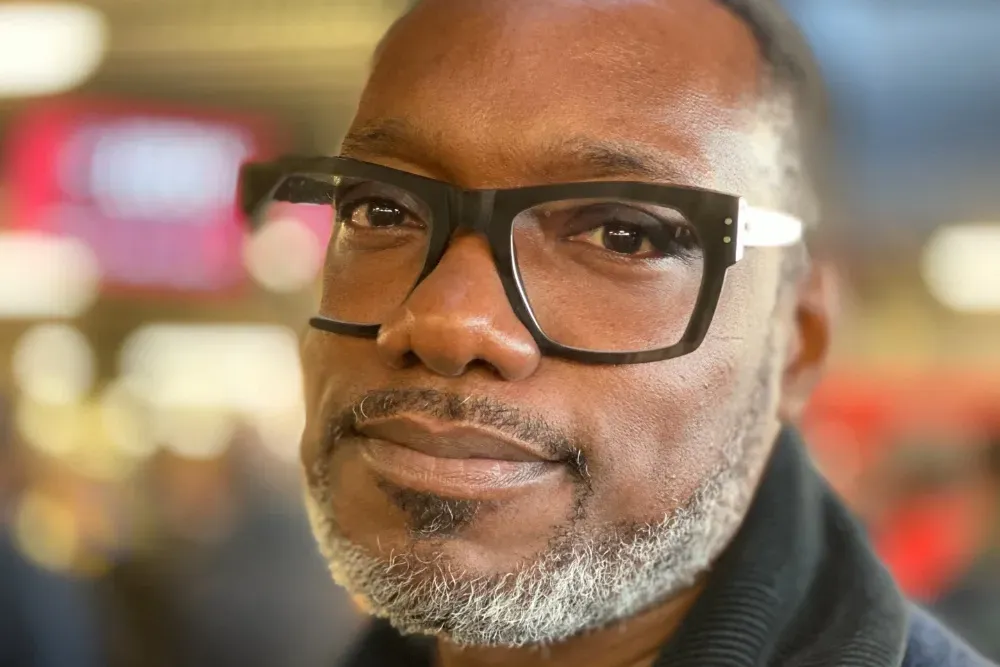
Proper Content, the award-winning independent factual producer founded by David DeHaney in 2016, is set to shutter. DeHaney announced the company will cease trading and appoint an administrator on Thursday, citing difficult market conditions.
Award-winning independent factual producer Proper Content is shutting down, and founder David DeHaney is laying the blame where it hurts: commissioning risk in a tough market. DeHaney, who set up the company in 2016, announced on Thursday that Proper Content will cease trading and appoint an administrator.
“It’s been a very difficult decision,” DeHaney said, and he connected the move directly to the economics of making factual content in the current environment. The core line is blunt: “There simply isn’t the commissioning risk.” In other words, the projects the company would need in order to survive are no longer worth taking on, because the downside is too large and the balance no longer pencils out.
That phrase is doing a lot of work. In factual production, the business model usually depends on getting commissions or options early enough to cover development and production costs, then delivering content against a contracted plan. When markets tighten, commissioning can slow down, budgets get trimmed, and decision-makers become more selective. The result is a risk shift. Producers that previously could count on a reasonable path from pitch to greenlight find themselves exposed to longer cycles, fewer starts, and terms that can transfer more uncertainty back onto the producer.
Proper Content’s shutdown reads like the endpoint of that dynamic rather than an isolated failure. DeHaney has been building the business for nearly 10 years, meaning the company has spent a decade navigating the normal waves of industry taste, broadcaster appetite, and funding patterns. But the announcement signals something different: that after nearly a decade, the current market conditions have crossed a threshold where even an experienced, award-winning operator cannot justify continuing to trade.
The decision to appoint an administrator matters beyond the corporate formality. Administrators are typically brought in when a company cannot meet obligations as they fall due, or when the situation needs structured handling of assets, liabilities, and potential buyers. For a creative business, that can be especially disruptive because the value is not only in cash and equipment, but also in talent relationships, ongoing development slates, and contracted commitments. When a producer ceases trading, the knock-on effect can reach everyone in the chain, from freelance crews to post-production partners, and it can also stall projects that depend on continuity.
There is also a governance and incentives question that boards and investors in production should recognize. When capital is scarce and commissioning budgets tighten, the risk is not distributed evenly. Larger players might absorb delays longer due to scale, diversified revenue, or internal content pipelines. Smaller independents, even successful ones, can get squeezed if they keep investing in development and staffing with the expectation that commissioning will arrive on a predictable timetable. DeHaney’s wording suggests that Proper Content reached a point where the company could no longer justify that exposure.
This is where the regulatory and policy backdrop tends to come into play, even when the announcement itself is focused on market conditions. Factual production is often shaped by broadcaster strategies, procurement rules, and broader public and commercial funding frameworks that influence what gets commissioned and how quickly. When those commissioning channels become cautious, it changes the funding velocity. The risk a producer takes in development becomes more like a bet against timelines and approvals. DeHaney’s “commissioning risk” language is effectively pointing at that system-level drag.
For other founders, operators, and financiers across media and entertainment, Proper Content’s shutdown is a reminder that “award-winning” does not automatically translate into survival. Awards can validate creative quality, but they do not insure against market structure. If commissions slow and risk concentrates on producers, then even a well-run company that has spent nearly 10 years producing factual content can find itself boxed in.
The strategic stakes are clear for anyone currently staffing up, signing options, or planning development spend: market conditions can turn commissioning from a pipeline into an uncertainty, and once that uncertainty dominates, the hardest decision is to stop trading rather than keep absorbing the loss. Proper Content’s closure is the signal. The commissioning risk, DeHaney says, is no longer something the company could carry.
This story's Key Insights and Take-aways are locked.
Create a free account to unlock Executive Actions for one credit.
Register to UnlockAlways free for Executives Club members. Join the Club
More in Business

BioWare shuts down, Mass Effect 5 dead after $55B EA buyout
The legendary RPG studio's closure lands months after a $55 billion investment group buyout of EA, raising tough questions for gaming's biggest acquirers.
Musk barred from the room as Tesla, SpaceX boards weigh $3.5 trillion merger
The CEO of both companies is a 'conflicted party' watching independent directors negotiate a tie-up that would create a $3.5 trillion giant he would own about a third of.

Elon Musk just showcased a flying car - and it wasn't at Tesla
The Tesla CEO's latest reveal came at SpaceX, not Tesla, signaling where vertical mobility is headed.