

Quantic Dream strike claims 115 layoffs could kill Star Wars Eclipse
After canceling Spellcasters Chronicles, staff walk out to stop a redundancy plan they say will halt development.
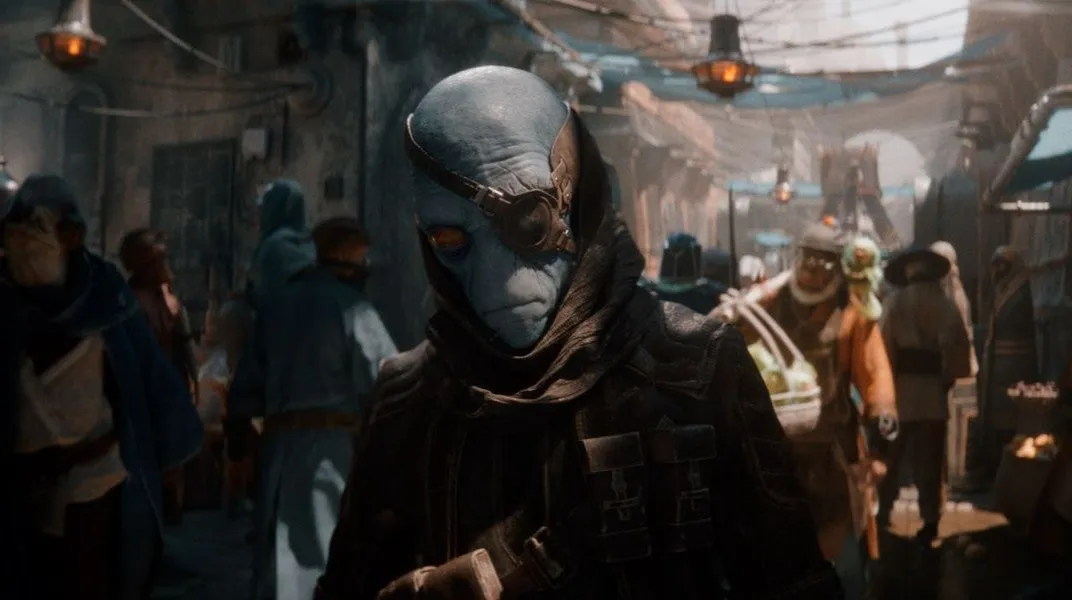
Quantic Dream, led by CEO Guillaume de Fondaumière, faces staff strike action at its Paris studio tied to plans to lay off 115 people after the cancellation of Spellcasters Chronicles. The workers say the reduction could derail Star Wars Eclipse, a Star Wars High Republic project still without a release window five years after announcement.
Quantic Dream staff are reportedly on strike to save Star Wars Eclipse from cancellation, and the trigger is a proposed redundancy plan: gamekult says the studio is considering laying off 115 staff, roughly a quarter of the company’s workforce, after Quantic Dream canceled Spellcasters Chronicles just three months after its early access launch.
Here is the immediate tension. Quantic Dream previously insisted Eclipse “is not affected by this decision and continues as planned.” But according to gamekult, Eclipse is suffering from “a lack of resources, vision, and progress,” and the striking workers want Lucasfilm and internal decision-makers to understand what that means in real operational terms: as things stand, Eclipse cannot be finished if the layoffs go through.
To understand why employees are escalating, start with what Quantic Dream is and what it is not. The French studio is best known for successful single-player story-driven games, including Heavy Rain, Beyond: Two Souls, and Detroit: Become Human. Spellcasters Chronicles was a pivot toward live service, and the pivot appears to have been short-lived: it was canceled last month, and Quantic Dream signaled at the time that layoffs would follow, but did not say how many people would be affected.
Now put that cancellation next to a marquee project that has been on the horizon for years. Star Wars Eclipse was announced in 2021 through a cinematic trailer. It is set in the Star Wars High Republic era and is expected to blend Quantic Dream’s traditional narrative gameplay with an action-adventure game set in the Star Wars universe. The catch is that details remain thin, and the project still has no release window even now, five years after the announcement.
The strike, organized by the STJV union, took place in front of Quantic Dream’s Paris headquarters on June 25. That date matters in the story because gamekult reports that a Lucasfilm delegation was due to visit the studio that day to check the progress of Star Wars Eclipse. The workers’ goal was to send a clear message: if the company executes the redundancy plan as currently framed, Eclipse risks a “very painful cancellation,” a line gamekult uses as “saving the company from a very painful cancellation, which currently hangs like a sword of Damocles over the employees.” In other words, they are not only arguing about morale. They are arguing about whether the project can actually survive resource contraction without crunch.
Quantic Dream also has a backdrop that makes “resources and progress” feel less like vague criticism and more like an operational alarm. Last year, the company faced closure fears after western gaming companies pulled back from NetEase, its Chinese owner. In a statement posted to LinkedIn, CEO and head of publishing Guillaume de Fondaumière said he was “deeply saddened” by layoffs and studio closures affecting some NetEase divisions, but assured players that Quantic’s Paris and Montreal studios remain “unaffected.” He also said Quantic’s studios were continuing “at full pace,” with several open positions available in both locations.
De Fondaumière added a capital-and-strategy framing that executives in any media business will recognize: NetEase acquiring Quantic Dream as a wholly owned subsidiary in 2022, he said, did not remove creative freedom or financial support. He claimed NetEase remained “a dedicated partner,” providing “creative freedom and the financial resources necessary for our studio to grow and strive.” He also pointed to performance as evidence of stability, saying the studio’s back-catalog saw an exceptional performance, contributing to the “highest revenue in [the company's] history” in 2024. Still, he offered no specific update on Star Wars Eclipse, the project at the center of the strike.
This is where the pressure compounds for decision-makers. When a studio’s flagship external project lacks a release window, and internal restructuring follows the cancellation of a live service title, the claims and counterclaims become more consequential. Quantic Dream, at least publicly, tried to wall off Eclipse from Spellcasters Chronicles’ cancellation. The striking staff, backed by gamekult’s reporting, say the wall is porous because the underlying capacity and execution engine may already be strained. Even if Eclipse is “not affected” on paper, the real question is whether the talent and time required to finish it can be protected when a large staffing reduction is on the table.
There is also the wider NetEase pattern to watch. In March, it was revealed that NetEase cut off funding to a studio led by Yakuza franchise creator Toshihiro Nagoshi as part of its plan to reduce video game development activities. Nagoshi’s game, Gang of Dragon, now appears to have been canceled. That doesn’t directly prove what happens to Eclipse. But it does establish an uncomfortable precedent: when funding gets pulled, “in progress” can change quickly.
Finally, the labor mechanics are not just background. Gamekult reports that union discussions are ongoing, and STJV wants Quantic Dream to sign a majority agreement with the union to mitigate damage and reduce job losses, while enabling remaining staff to help get Eclipse out the door. For executives and boards across the industry, the second-order lesson is blunt: layoffs are not only a cost decision. They are a project-governance decision, especially when a studio is balancing a long-gestating external IP game, a recent failure in live service, and heightened scrutiny from partners like Lucasfilm. If Eclipse becomes collateral damage, the reputational and partnership fallout could be as expensive as the headcount being reduced.
This story's Key Insights and Take-aways are locked.
Create a free account to unlock Executive Actions for one credit.
Register to UnlockAlways free for Executives Club members. Join the Club
More in Business
Comcast shares jump 25% as it plans to split NBCUniversal and Sky
The tax-free spin-off could reshape focus, funding, and competition across media and tech for years.

Bungie cuts most Destiny 2 staff as Sony says Marathon still matters
Herman Hulst confirms layoffs affecting most Destiny and some Marathon teams after Bungie admits Destiny fell short.

SK Hynix jumps 11% after seeking up to $29.4B in Nasdaq listing
The chip giant filed for a Nasdaq listing plan that could raise $29.4 billion, instantly reshaping investor expectations.