
Quinta Brunson signs a five-year overall deal with 20th Television, leaving Warner Bros.
The Abbott Elementary star moves her Fifth Chance Productions from Warner Bros. to Disney's 20th TV, reshaping incentives.
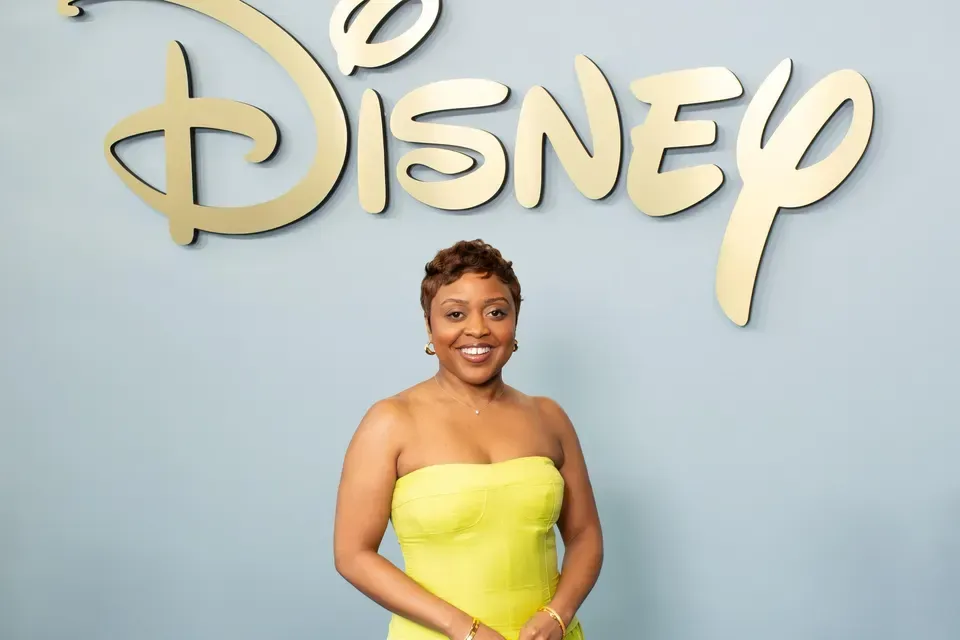
Quinta Brunson, actress and creator of ABC's Abbott Elementary, signed a five-year overall deal with 20th Television through her female-led company Fifth Chance Productions. She is transitioning from a four-year overall deal at Warner Bros. Television, which produces Abbott Elementary in association with 20th TV.
Quinta Brunson is leveling up. The Abbott Elementary actress, creator, head writer, co-showrunner, and executive producer announced she signed a five-year overall deal with 20th Television for her female-led entertainment company, Fifth Chance Productions. The move is also a handoff: she is transitioning out of a four-year overall deal at Warner Bros. Television.
For executives, this is not a celebrity contract headline. It is a deal-structure headline. Overall deals are where streamers, studios, and broadcast networks try to lock in a pipeline of content talent, not just a single show. When a creator at the center of a hit series shifts partners, it can change production allocation, bargaining leverage for future projects, and the internal math of who gets first look.
Brunson is moving to 20th Television, a Disney Television Studios unit. That matters because Abbott Elementary is already connected to both worlds. The series is produced by Warner Bros. Television, and it does so in association with 20th TV. So this transition is less about changing the existence of the relationship and more about changing the center of gravity of where Brunson's long-term development and production alignment sits.
To understand why that distinction matters, it helps to remember what overall deals are trying to solve. They reduce uncertainty for both sides. The studio-side gets a reliable stream of new work from a proven voice. The talent-side gets staffing stability and financing pathways, plus negotiating leverage for projects that would otherwise be piecemeal. When the deal extends to five years, the studio is effectively buying time, continuity, and creative control mechanisms that are hard to replicate through one-off agreements.
Brunson's background makes the deal especially consequential. She is not just an on-screen star. She is also a head writer and co-showrunner, roles that typically influence scripts, tone, casting alignment, and how a show evolves from season to season. In other words, she sits at the junction of creative and operational power. That is why her deal is likely to carry more weight than a talent-only agreement. She can translate her creative direction into the kind of production throughput studios plan around.
There is also a market incentive behind the timing and the structure. Studios and networks are competing for creators who can perform across formats and audiences, and Brunson's Abbott Elementary has positioned her as a multi-dimensional property owner rather than a one-show talent. By anchoring Fifth Chance Productions with 20th Television for five years, Brunson is signaling that her enterprise is built for repeated development cycles, not a single hit run.
Meanwhile, the Warner Bros. side is not walking away from the relationship entirely, because Abbott Elementary continues to be produced by Warner Bros. Television in association with 20th TV. But shifting an overall deal can still have second-order effects. Even when shows retain production associations, the studio that holds the talent's broader commitments can gain advantages in project origination, staffing, and priority access to the creator's next batch of ideas. Over multiple years, those advantages can accumulate into a material portfolio difference.
For boards and senior executives overseeing content strategy, this is the kind of story that quietly tests assumptions. If you are a studio or a network executive, the question is whether your contracting approach keeps your top talent aligned with your long-range plans, not just your current slate. If you are an investor or operator watching media ecosystems, the question is whether the center of gravity shifts toward Disney's 20th Television unit for Brunson-led development, and what that might imply for future female-led series, comedy leadership, and creator-owned production trajectories.
In short: Brunson's five-year overall deal with 20th Television is a talent move, but it is also a strategic realignment. It is a reminder that in TV, the real asset is the pipeline, and the pipeline often follows the people who write, run, and build the shows.
This story's Key Insights and Take-aways are locked.
Create a free account to unlock Executive Actions for one credit.
Register to UnlockAlways free for Executives Club members. Join the Club
More in Business

A flaw in PHP just forced governments to pull their own sites offline
European agencies from Belgium to Germany took websites dark to patch a critical weakness in the language behind almost 70% of the web, and the blast radius extends far beyond government portals.
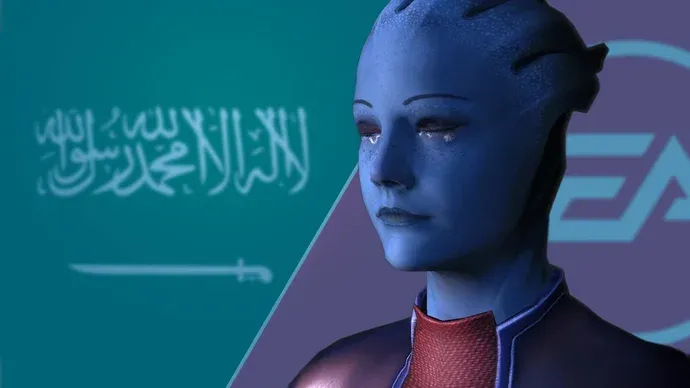
BioWare shuts down, Mass Effect 5 dead after $55B EA buyout
The legendary RPG studio's closure lands months after a $55 billion investment group buyout of EA, raising tough questions for gaming's biggest acquirers.
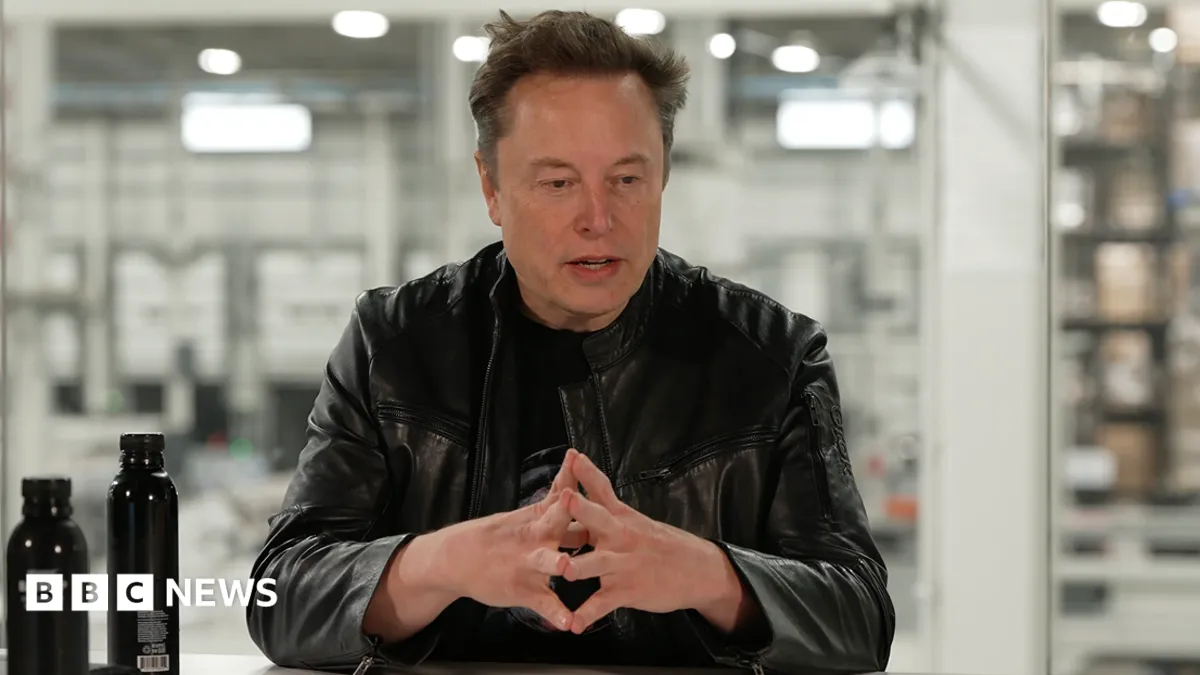
Musk weighs Tesla-SpaceX mega-merger as boards form review panels
Special committees at both companies will examine a tie-up that could fuse electric vehicles and space launch, forcing a fresh look at governance and valuation.