
Randy Rainbow’s “He’s De-Mented” turns Trump’s Iran blame into jazzy resignation demand
A new Cole Porter parody by Randy Rainbow attacks Trump’s handling of the Iran war and says, “Time to resign.”
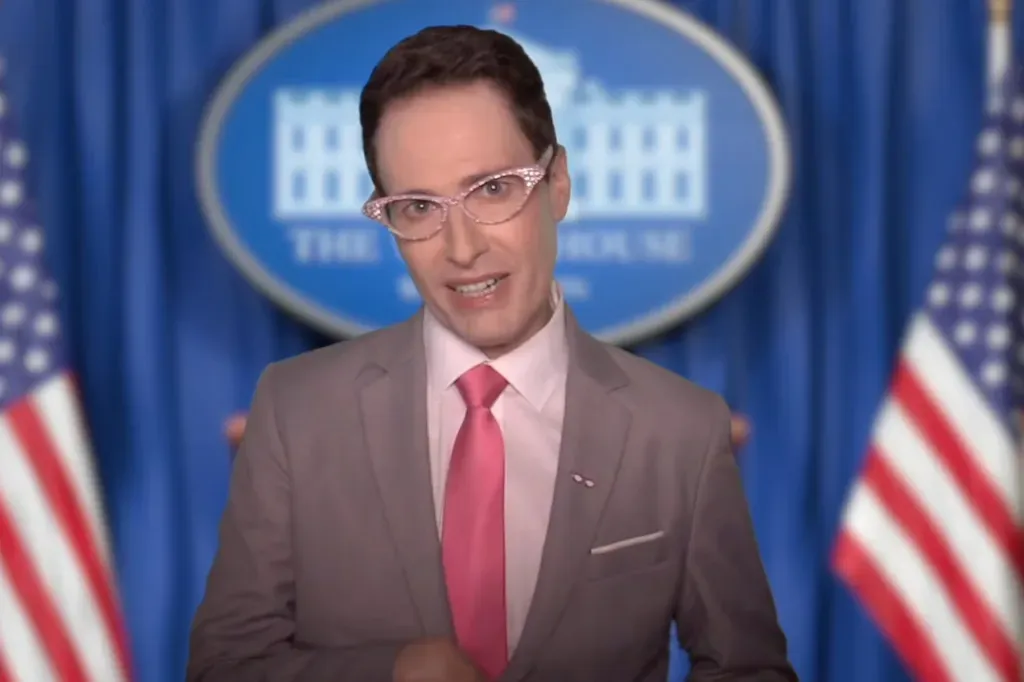
Randy Rainbow posted a Tuesday (June 30) jazz club song parody, reworking Cole Porter’s “It’s De-Lovely” into “He’s De-Mented” to mock Donald Trump’s approach to the Iran war. The video surfaces alongside Reuters reporting that Trump’s approval for the second-to-last week of June was just 34%, underscoring how Iran policy discontent is spreading through mainstream politics.
Randy Rainbow just weaponized a Cole Porter standard for a very 2020s problem: the Iran war. In a parody posted Tuesday (June 30), the political satire singer and Internet personality reimagines “It’s De-Lovely” as “He’s De-Mented,” singing that the president’s conduct is “the tyrant-ithesis of sanity” and ultimately pushing the blunt line, “Time to resign.”
The setup is as newsroom-accurate as satire gets. The video opens with Rainbow portraying a news correspondent, editing clips from real Trump interviews so it looks like the two are having a conversation. Then Rainbow questions the twice-impeached POTUS about his widely opposed handling of the Iran war, before the scene shifts into a jazz club where Rainbow, dressed in a retro tux, performs the rewritten lyrics. The message is intentionally personal, too, as he targets Trump’s “old age” and “decrepit” appearance, with lines like, “It’s clear that Grandpa’s off his pills,” and “He can hear that bipartisan fear.”
Why this matters beyond a laugh track is what the parody is responding to in the real world. The source ties the new video to Reuters reporting that Trump’s approval rating for the second-to-last week of June was calculated at just 34%. That number is not just a popularity datapoint. It is the kind of signal that changes how political stakeholders calculate risk, how allies decide whether to stay visible, and how opponents decide whether to push harder. When a political leader’s numbers are low, narratives do not stay confined to partisan corners. They spread into the broader media ecosystem, including entertainment formats like song parodies that traditionally live closer to culture than to policy.
In this case, the policy topic is Iran, and the parody points at a specific flashpoint. Two months ago, Trump threatened that “a whole civilization will die tonight” if Iran failed to agree to a ceasefire deal. At press time, the U.S. is still in slowly progressing peace talks with Iran. That contrast is the fuel. The satire leans on the tension between escalatory rhetoric and the slower reality of negotiations. Even if you are not deep in foreign policy, the structure of the story is legible: big, dramatic language versus the unglamorous work of diplomacy.
The second-order question for decision-makers is not whether a song parody convinces anyone. It is how quickly broad discontent calcifies into mainstream messaging. The source notes that many of Trump’s past supporters in the conservative commentary landscape have turned against him, taking issue specifically with his approach to the conflict in Iran. Once that happens, the incentive for institutions, pundits, and business-adjacent communities to “wait and see” can weaken. They start behaving as though the story is already written, which can influence everything from messaging discipline to political risk tolerance.
There is also a communications lesson here, even for people far from politics. Rainbow’s method is a mix of familiar structure and targeted edits. He uses real Trump interview clips, then reframes them inside a scripted musical narrative. That combination is a reminder of how modern persuasion works: it is not just about the argument, it is about the edited experience. For executives who manage brand, communications, or public affairs, that matters because the same approach can be used to reshape your company’s statements into something they were never meant to say. Satire is entertaining, but the mechanics are the same ones that show up in misinformation campaigns, adversarial political ads, and viral misquotes.
From a governance and board-level lens, political controversy can be a proxy for operational risk. Low approval, visible internal defections, and policy tensions over international conflict can translate into uncertainty for companies with government exposure, global supply chains, or regulated cross-border operations. Even though this story is entertainment, the underlying subject is the “handling” of a major geopolitical flashpoint, which tends to drive unpredictability across sanctions, diplomatic signaling, and market sentiment. When the U.S. is in peace talks but the domestic narrative is still dominated by accusations and harsh rhetoric, the public-facing mood can pressure leaders and their teams to react faster, sometimes at the expense of nuance.
So the stake for peers in similar roles is this: political narratives are now an always-on input into reputational and strategic risk. Rainbow’s parody is a culture moment, but it is also a barometer. When a widely recognized performer re-tools a classic like “It’s De-Lovely” into “He’s De-Mented,” and when the lyrics include explicit calls like “Time to resign,” it signals that the Iran-war discontent has escaped purely policy circles. It has entered the soundtrack of how people are processing leadership, competence, and escalation. In an environment where approval is at 34% and talks are “slowly progressing,” the gap between what’s promised and what’s happening is exactly where attention concentrates.
This story's Key Insights and Take-aways are locked.
Create a free account to unlock Executive Actions for one credit.
Register to UnlockAlways free for Executives Club members. Join the Club
More in Politics
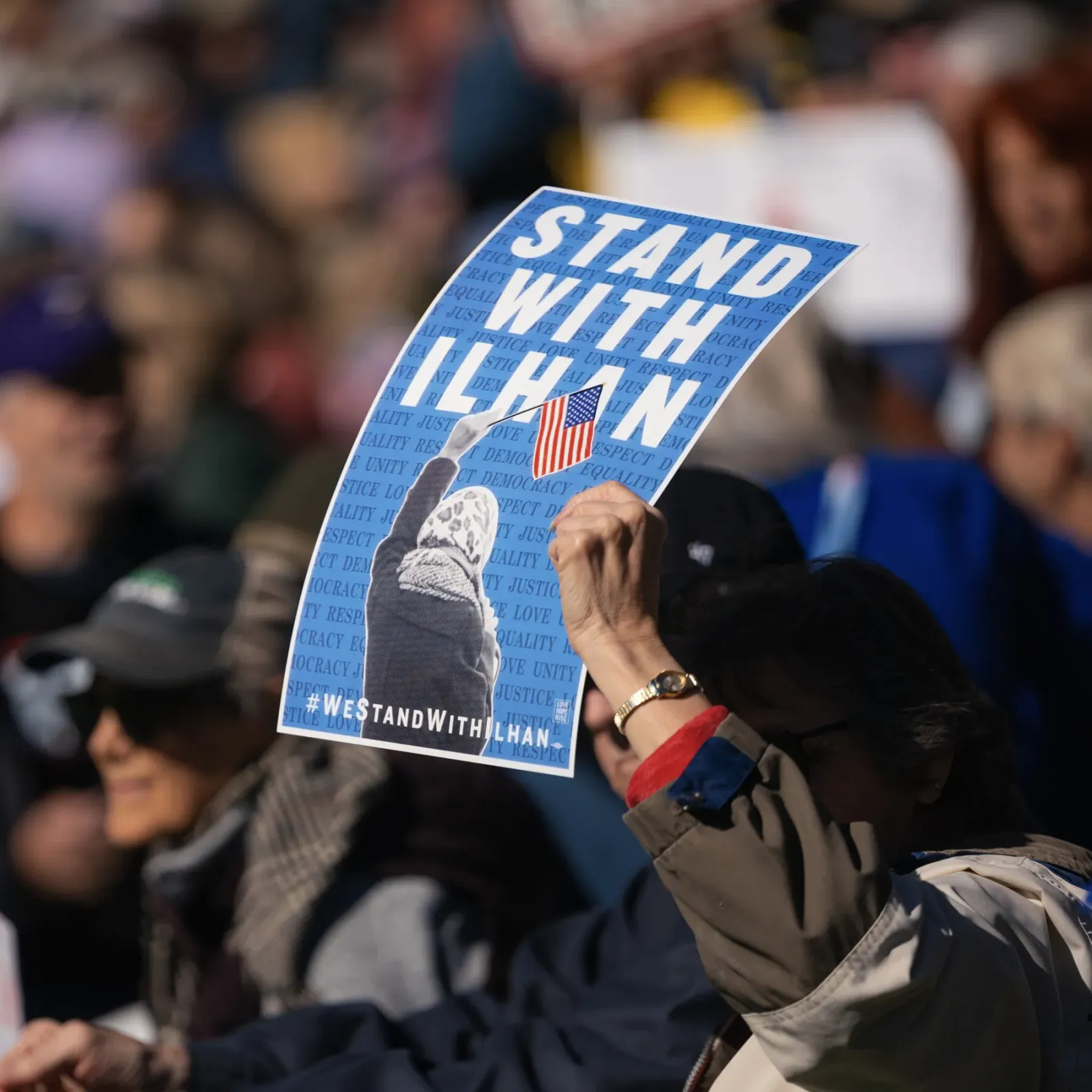
Obama Defends Ilhan Omar After Agents Search Her Home in Trump Inquiry
The former president's intervention raises the stakes in a federal probe into immigration paperwork that has put a prominent progressive lawmaker in the crosshairs.

Blair-era minister: cut welfare to fund youth job support
Alan Milburn's call for welfare cuts to fund employment support opens a Labour fight over benefits and the Neet crisis.
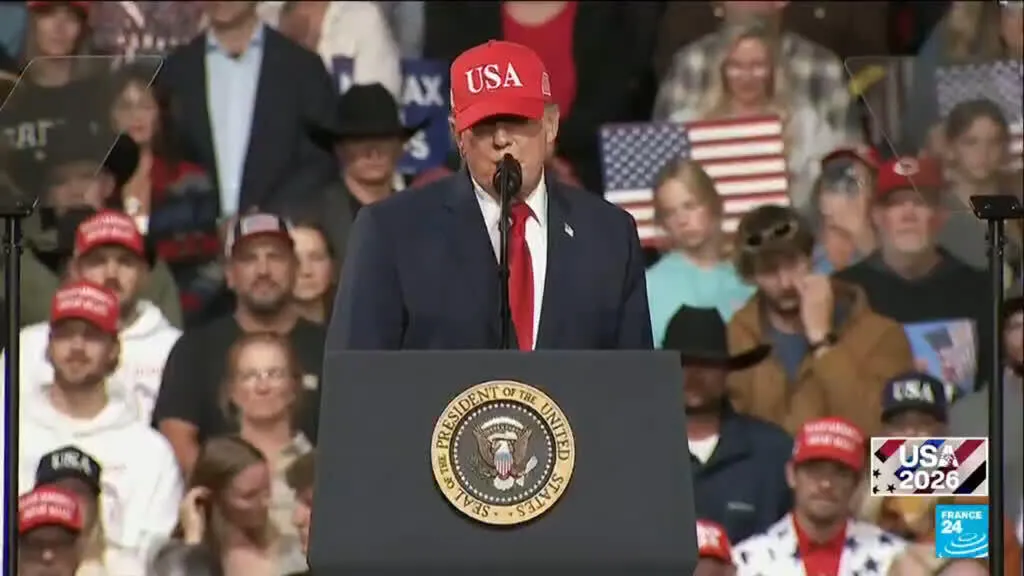
Hot September CPI: energy costs surge, voters feel the squeeze before midterms
The latest inflation print lands as Trump campaigns for GOP control of Congress, putting cost-of-living worries at the center of the midterm fight.