

Supreme Court’s final opinion day rejects Trump immigration plan, shields anti-trans sports bans
Five takeaways from a term that overturned key policy pillars, reshaped sports eligibility rules, and gutted a Watergate-era law.
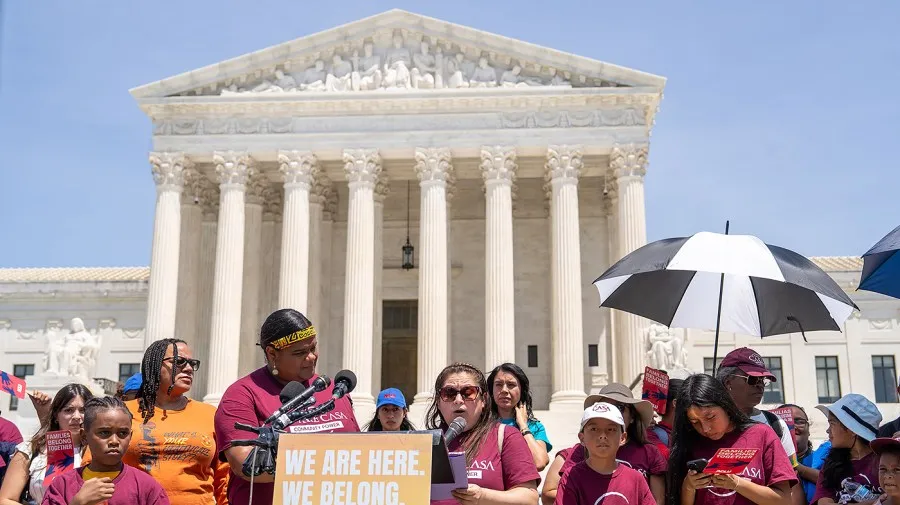
The Supreme Court’s final opinion day delivered multiple landmark rulings across immigration, transgender athletes, and a federal law linked to the Watergate era. For decision-makers, the consequence is a faster-moving compliance and risk environment, where state rules and litigation outcomes can quickly redefine operational constraints.
The Supreme Court’s final opinion day packed a one-two punch for anyone tracking U.S. policy risk: the justices rejected a core facet of President Trump’s immigration agenda, upheld statewide bans on transgender athletes in sports, and dismantled a federal law enacted in the wake of the Watergate scandal that capped. The theme was clear, even before you got to the details. The court did not just tweak rules. It re-litigated the foundations of how those rules get made and enforced.
Start with the immigration piece because it is the biggest “stop the presses” category for federal policy watchers. The court rejected a core facet of President Trump’s immigration agenda. That matters operationally because immigration enforcement affects everything from employment and mobility to supply chain continuity and border logistics. When a major policy pillar gets rejected at the Supreme Court level, it forces agencies, regulated companies, and counterparties to immediately re-map what is permissible, what is likely, and what is temporarily frozen. It also changes the calculus for how much legal risk boards should assume in the near term.
Then there is sports, and specifically the court’s decision to uphold statewide bans on transgender athletes. For years, sports leagues, schools, and state governments have wrestled with how to align eligibility rules, anti-discrimination principles, and state-level authority. By upholding bans at the state level, the justices effectively preserved a patchwork outcome: different eligibility standards can continue to exist depending on where competition happens. That creates real second-order effects for organizations that operate across jurisdictions, including athletic programs with multi-state athletes, sports tech platforms supporting eligibility and roster management, and brands making sponsorship decisions tied to team and league rules.
The third major item is the court dismantling a federal law enacted in the wake of the Watergate scandal that capped. Even without the details in the excerpt, the direction matters. Watergate-era reforms are historically tied to government accountability and constraints on political and government-related conduct. When the Supreme Court dismantles a federal law from that era, it can signal that the court is willing to unwind certain post-scandal guardrails that lawmakers put in place to limit behavior. For executives and boards, the key is the ripple effect. Federal constraints often provide a uniform baseline. If that baseline gets removed, compliance frameworks have to shift, and the burden of uncertainty moves to other enforcement mechanisms, state law, or future court fights.
Put those three strands together and you get a term that did not simply produce headline rulings. It reshaped the decision environment. Immigration policy, transgender athlete eligibility, and post-Watergate federal regulation are all areas where law, politics, and institutional discretion intersect. Supreme Court decisions that reject a central agenda, uphold state bans, and strike down federal caps create an environment where stakeholders have to assume that the “rules of the road” can change quickly and in ways that are hard to model.
So what should decision-makers do with these takeaways? First, treat Supreme Court output as an operational risk variable, not just a legal news item. When the court rejects major policy architecture, it can force immediate compliance adjustments and contract re-interpretations. Second, expect state-level rules to matter more when the Supreme Court preserves or expands their authority, as with statewide bans on transgender athletes. That means boards should check whether they have visibility into cross-state variance in eligibility, HR policies for affiliated programs, and sponsorship or brand exposure.
Third, when a federal law gets dismantled, boards should revisit how they built their compliance posture around a single national standard. The Watergate-era dismantling is a reminder that “once a rule is on the books, it is stable” is not a safe assumption in a high-litigation world. When federal caps fall, the enforcement and risk landscape does not disappear, it redistributes. That is where legal budgets, scenario planning, and board oversight need to be ready.
If you are a CEO, CFO, general counsel, or board member, the strategic stakes are straightforward. In this term, the Supreme Court used its final opinion day to draw bright lines across immigration, sports eligibility, and federal regulation tied to Watergate. Your peers should respond as if the legal floor can move under their feet, because it just did.
This story's Key Insights and Take-aways are locked.
Create a free account to unlock Executive Actions for one credit.
Register to UnlockAlways free for Executives Club members. Join the Club
More in Politics
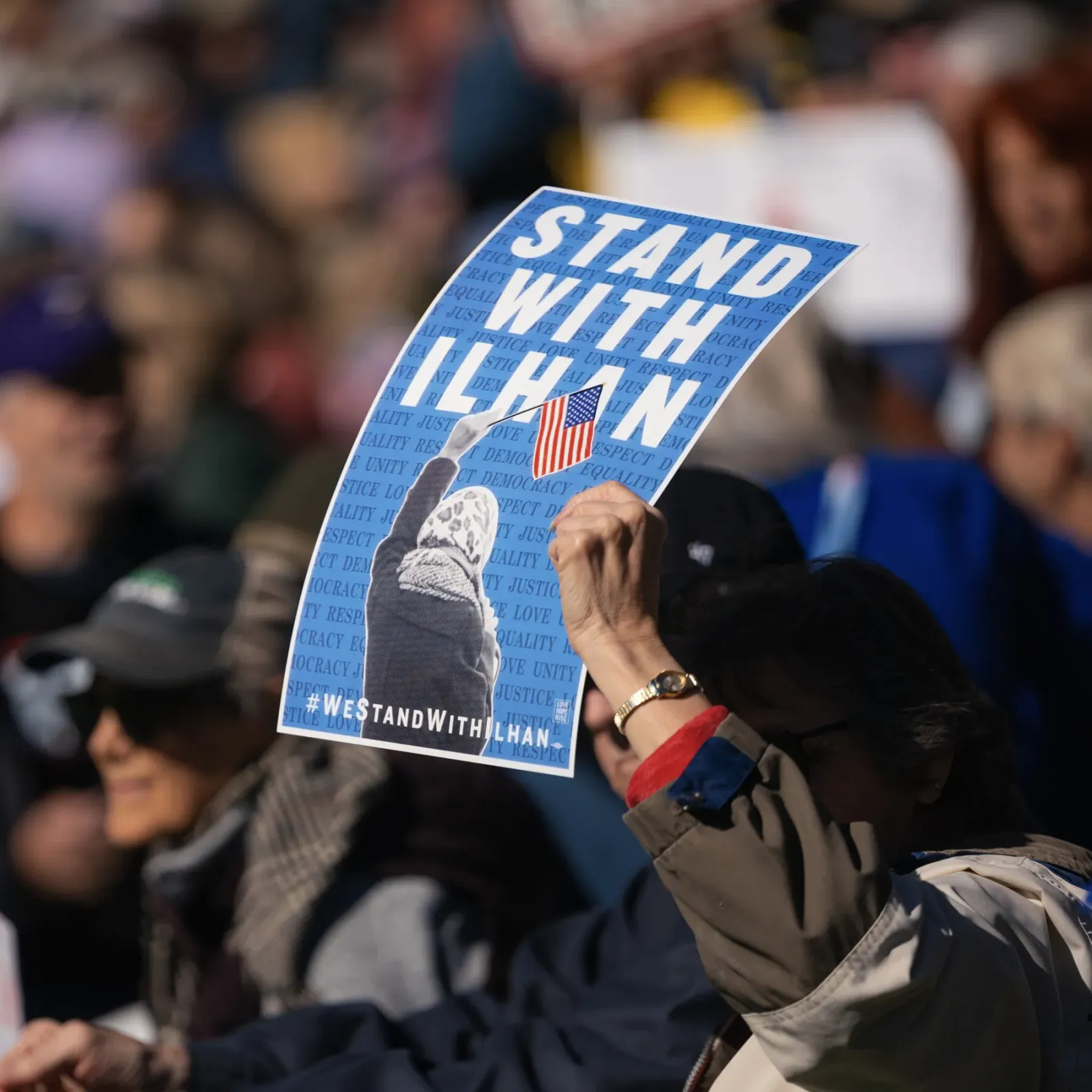
Obama Defends Ilhan Omar After Agents Search Her Home in Trump Inquiry
The former president's intervention raises the stakes in a federal probe into immigration paperwork that has put a prominent progressive lawmaker in the crosshairs.

Blair-era minister: cut welfare to fund youth job support
Alan Milburn's call for welfare cuts to fund employment support opens a Labour fight over benefits and the Neet crisis.
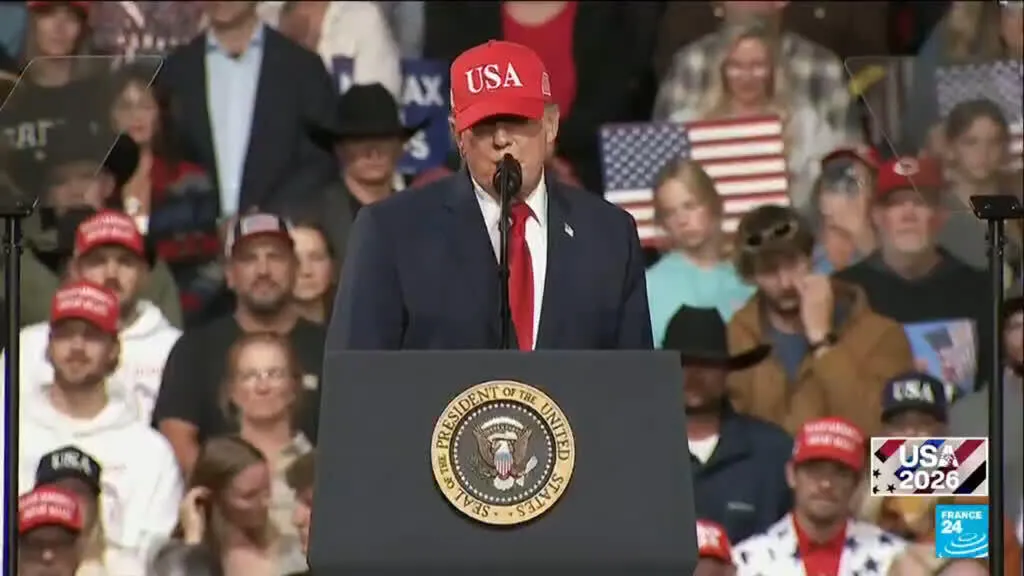
Hot September CPI: energy costs surge, voters feel the squeeze before midterms
The latest inflation print lands as Trump campaigns for GOP control of Congress, putting cost-of-living worries at the center of the midterm fight.