

Raphael Bob-Waksberg wants Netflix viewers to laugh, not spiral
The BoJack Horseman creator says the point of Long Story Short is to stay funny, even when the themes get heavy.
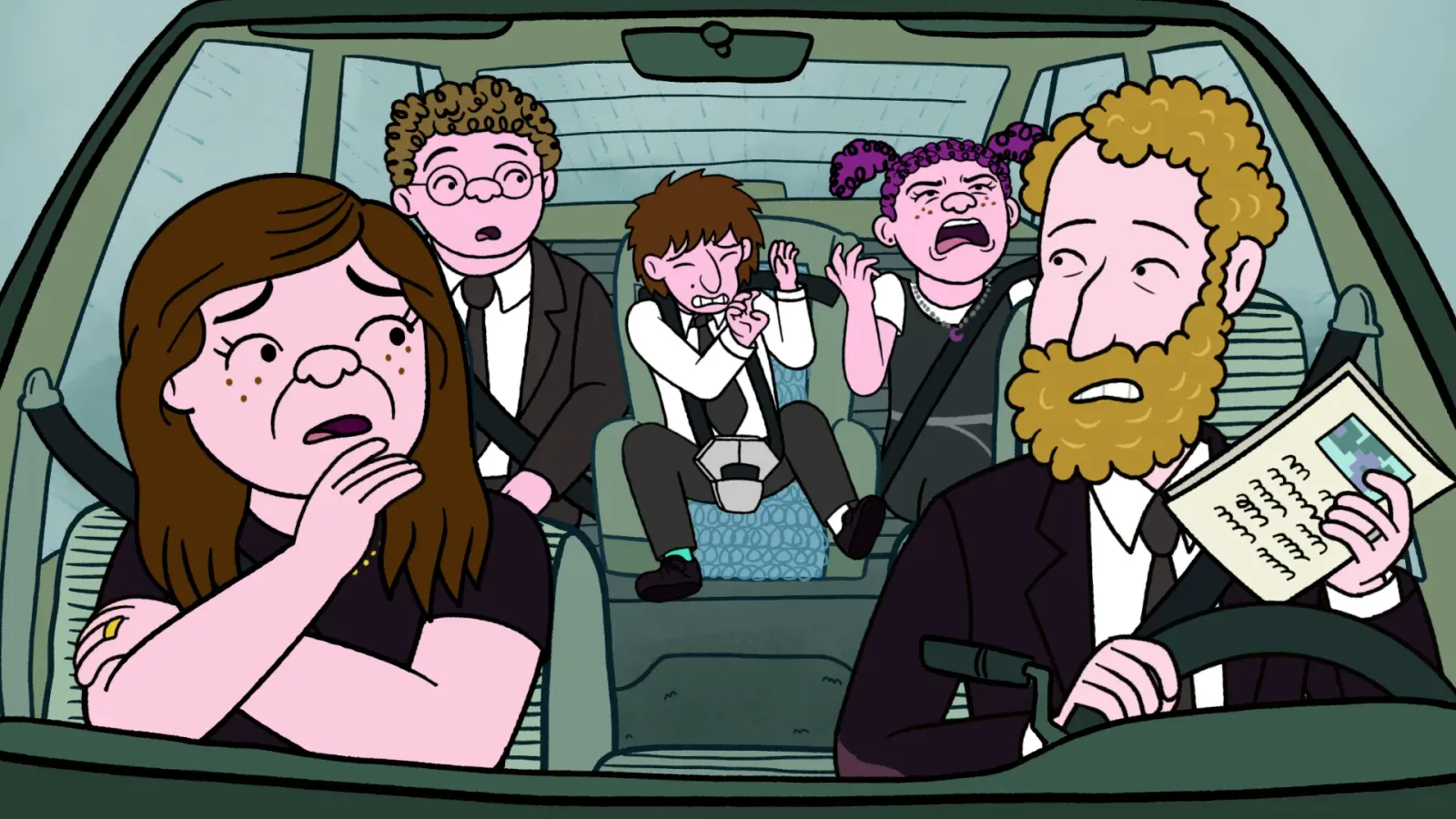
Raphael Bob-Waksberg, the Emmy-nominated creator behind Netflix’s animated dramedy Long Story Short and BoJack Horseman, wants audiences to laugh first, not fixate on anxiety. For streamers and creators, that is the old premium-content problem in a new wrapper: make the pain real, but keep the joke density high enough that viewers keep watching.
Whatever you do, don’t tell Raphael Bob-Waksberg that his shows might give you anxiety. Or at least, don’t make that the only thing you tell him. That is the vibe coming off the Emmy-nominated animation aficionado behind Netflix’s animated dramedy Long Story Short, a creator whose name is already tied to one of the most dissected animated series of the streaming era: BoJack Horseman. That show sparked endless conversation about depression, existentialism, and generational trauma, while still being very funny. In other words, Bob-Waksberg has already spent years proving that a show can make people think hard without turning into homework.
That matters because Long Story Short is arriving in a streaming market that has become brutally crowded and unforgiving. Viewers have endless choices, which means a show does not get much time to prove it has a point of view. For creators, that raises the stakes on tone. If a series leans too dark, it risks getting filed under “emotionally exhausting” and left unfinished. If it goes too broad, it loses the specificity that gives it cultural stickiness. Bob-Waksberg’s lane has always been the hard one: make something sharp, self-aware, and emotionally loaded, but keep it moving with enough wit that people do not bounce off it after one episode.
The reason audiences keep circling back to that balance is simple. Animation still gets treated, incorrectly, as if it is just a format for kids or for jokes. Bob-Waksberg’s work sits in the opposite camp. BoJack Horseman became a reference point because it was able to treat despair, identity, and family damage as real subjects without abandoning comedy. That is a useful template for the broader entertainment business, especially for streamers trying to justify premium budgets. The market has made one thing clear: “prestige” alone is not enough. Shows need a hook, an emotional engine, and a reason for people to recommend them to someone else. Comedy that can also carry weight has historically been one of the safest ways to build that kind of word of mouth.
Long Story Short is being positioned in that same space, which is why Bob-Waksberg’s framing matters. He is not trying to sell a therapy session with punchlines. He is trying to preserve the basic contract of entertainment: you can leave with feelings, but you should also leave having laughed. That distinction may sound small, but in streaming it is strategic. Algorithms can surface a title, but they cannot force completion, and completion is what helps a show look more valuable to a platform. A series that people describe as “intense but hilarious” can travel farther than one that is merely “important.” In plain English, the joke is part of the business model.
There is also a bigger industry lesson here for anyone making culture in 2026: audiences have become highly literate about the emotional machinery of TV, especially online. They know when a show is trying to be profound. They also know when it is using sadness as a shortcut to depth. That means the creators who win are often the ones who can thread the needle, building something that feels honest without becoming self-serious. Bob-Waksberg’s track record suggests he understands that audience instinct better than most. His work has generated discourse because it does not flatten people into archetypes, even when it is being funny about very real pain.
For Netflix, the upside is obvious. A creator with Bob-Waksberg’s reputation brings built-in credibility, especially with viewers who trust his name to deliver smart writing and emotional texture. For rivals, the message is more uncomfortable: the animated dramedy lane is not a novelty category anymore. It is part of the prestige TV arms race, and the winners are the shows that can be emotionally resonant without becoming a slog. That is a tough bar to clear. It requires writers who can land jokes and land truths in the same scene, often in the same line.
So when Bob-Waksberg says, in effect, do not reduce his work to anxiety, he is not dodging the seriousness of what he makes. He is defending the thing that makes it work. The objective is not to leave viewers spiraling. The objective is to keep them engaged long enough to recognize the mess, laugh at it, and maybe feel a little less alone in it. For creators, executives, and anyone trying to build an audience in a fractured attention economy, that is the real takeaway: the shows that endure are rarely the ones that announce their depth the loudest. They are the ones that earn it, while still being genuinely fun to watch.
This story's Key Insights and Take-aways are locked.
Create a free account to unlock Executive Actions for one credit.
Register to UnlockAlways free for Executives Club members. Join the Club
More in Entertainment

Christopher Nolan’s “The Odyssey” posts his biggest Tuesday haul, surpassing “The Dark Knight’s” record
The film’s Tuesday breakout reframes Nolan’s box-office ceiling and forces competitors to rethink timing, budgets, and release strategy.

Kacey Musgraves cancels Aug. 20, 29, Sept. 2 Middle of Nowhere shows
Ticketmaster emails are telling fans refunds are coming, while the tour still starts Aug. 21 in Chicago.

Billie Joe Armstrong launches Epiphone Les Paul Junior and Marshall 1959BJA signature gear
Two limited releases turn decades of Green Day’s tone into branded hardware, including Marshall’s first artist amp in 14 years.