

Real Madrid re-appoint Jose Mourinho on a three-year deal, ending the coaching search
Mourinho is back at the Bernabeu. Here is what a three-year return signals for Real Madrid and everyone watching.
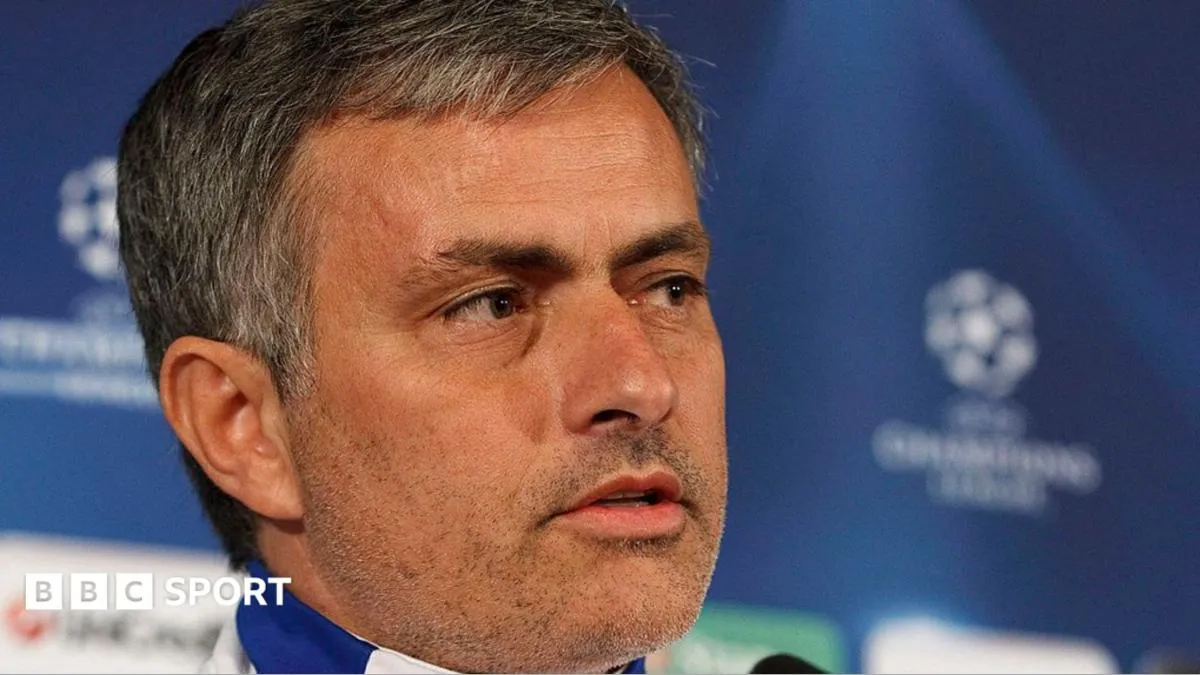
Real Madrid have confirmed the re-appointment of Jose Mourinho as head coach on a three-year deal. For decision-makers, it immediately reshapes expectations around leadership, results, and how quickly the club will judge progress.
Real Madrid have confirmed the re-appointment of Jose Mourinho as head coach on a three-year deal. That is the headline made official, and it answers the question every big club quietly asks when results wobble: who gets trusted with the next cycle of risk.
This is not just a personnel update. In elite football, a coaching hire is a signal flare. It tells players, rivals, and the board how quickly the club expects improvement, what kind of identity it wants on the pitch, and how much patience it will grant while the season swings. By choosing Mourinho and locking him into a three-year term, Real Madrid have effectively set a medium-term commitment and, by extension, a timeline for whether the experiment works.
From a governance and incentives perspective, longer deals do something shorter ones cannot. A one-season appointment often turns into a constant audition: every match becomes a referendum, and the team plays like it is negotiating for survival. A multi-year contract, like the one reported here, changes the internal math. Boards do not only buy tactics; they buy time. They also buy leverage, because a coach on a three-year deal can push more strongly for specific patterns of training, recruitment priorities, and squad roles that may not fully show up in the first months.
There is also the reality that coaching changes at clubs of Real Madrid's scale are never isolated. The football calendar is tight, and the competitive environment is merciless. When Real Madrid bring Mourinho back, they are not hiring into a vacuum. Other clubs watch how fast the decision is made, how publicly the club moves, and what it suggests about the board's tolerance for transitions. That matters to executives at other organizations too, because the same pattern shows up in other high-performance industries: the moment you signal certainty, you raise expectations for execution.
The regulatory framing in football is different from, say, finance regulation, but the pressure system is similar. Clubs operate under constraints and oversight mechanisms that affect how they manage staffing, match operations, and compliance processes. Even without diving into technical rules, the practical implication is straightforward: big organizations cannot simply “restart” whenever leadership changes. They have to keep the machine running while they adjust leadership at the top. Mourinho's return, confirmed on a three-year deal, implies Real Madrid believe they can align leadership with operations without breaking continuity.
For players, a coaching re-appointment can be oddly clarifying. Some will interpret it as the club wanting familiarity, a return to known methods, and a structured plan rather than another revolving-door phase. Others will read it as a reset on performance expectations. In either case, the media narrative becomes part of the locker-room environment, and the board knows it. Big clubs manage reputational risk as much as sporting risk. Mourinho's re-appointment is a deliberate choice in that sense: it is meant to bring a recognizable figure back into a high-stakes role, rather than experiment blindly with someone unproven under this kind of spotlight.
There is a second-order implication for the wider ecosystem. When a club with Real Madrid's global brand makes a definitive coaching move and confirms it publicly, it affects transfer talk, sponsorship conversations, and how agents calibrate their clients' futures. Even if those downstream effects are not spelled out in the BBC report, the logic is baked into how football markets behave: people price uncertainty, and leadership stability reduces certain kinds of guesswork. It also changes how opponents prepare, because scouting and game planning is built around expected tactical tendencies, training culture, and matchday decision-making.
The strategic stakes are immediate for anyone operating at the level of a major club. A three-year deal is long enough for a full competitive arc, but not so long that boards can ignore results. If the team starts poorly, the board still feels the pressure of public scrutiny and season momentum. If the team starts well, the board gets a platform to accelerate investment in the next phase. Either way, Mourinho's re-appointment turns the coaching seat into a centerpiece, not a side story. And for other executives watching closely, it is a reminder that in elite sport, leadership decisions are governance decisions, and the contract length tells you exactly how quickly the board expects the story to change.
This story's Key Insights and Take-aways are locked.
Create a free account to unlock Executive Actions for one credit.
Register to UnlockAlways free for Executives Club members. Join the Club
More in Entertainment

Entertainer Russell Brand denies 7 sex charges amid accuser's 'couldn't breathe' claim
The alleged victim's account sharpens the reputational and legal stakes for Brand, his platforms, and any business tied to a public figure under criminal scrutiny.

Russell Brand's accuser 'bewildered and confused' as he denies 7 sex charges
The criminal case against the comedian is a live test of how media companies manage talent risk when serious allegations go public.

'It's a Magic Trick': Ballet Experts Say Rosalía's SNL Pose Is Impossible
Three ballet experts tell Rolling Stone Rosalía's gravity-defying SNL stillness shouldn't be possible - and why the debate is now part of the show.