

Reese Witherspoon Lays Off 30 Employees, Half of Hello Sunshine, After Buyback
The actress reacquired her production company, then cut roughly 50% of its workforce. Here's what it signals for the media M&A cycle.
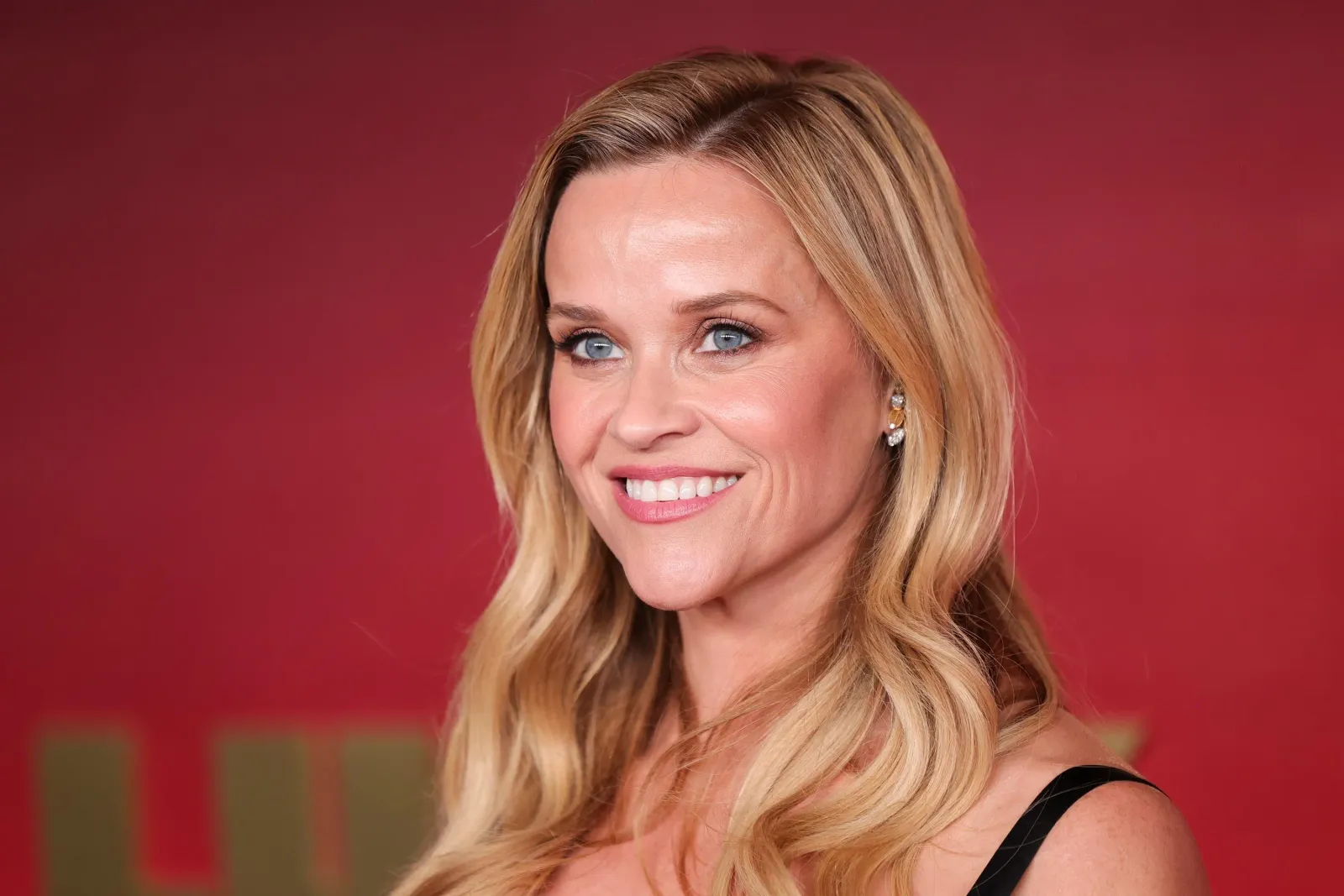
Reese Witherspoon's Hello Sunshine is laying off 30 employees, about half its workforce, shortly after the actress reacquired the production company. The cuts signal a reset for the company's cost structure and a broader caution for media dealmakers.
Reese Witherspoon is cutting 30 employees from Hello Sunshine, representing approximately 50% of the production company's workforce, according to Forbes. The layoffs come immediately after the actress reacquired the company she founded, a move that returns the business to her control after a period under different ownership. For anyone tracking the media landscape, the timing is the story: a founder buying back her company, then immediately slimming it by half, is not a quiet transition. It is a declaration that the business needs to be smaller to be sustainable.
The buyback and the layoffs together point to a strategic reset. Witherspoon, known for building Hello Sunshine into a home for female-driven storytelling, is now taking direct ownership of a leaner operation. The 30-person cut is not a marginal trim; it is a fundamental reshaping of the company's headcount. When a founder reacquires a business, the typical playbook is to restore the original vision, but that vision now comes with a sharply reduced workforce. The message to employees, partners, and competitors is that Hello Sunshine will operate with a fraction of its previous overhead.
Hello Sunshine's journey reflects the broader volatility in the entertainment and media sector. The company was previously sold to a media group, and Witherspoon's reacquisition marks a return to founder-led ownership. Such buybacks are rare in Hollywood, where studios and production companies often change hands between large conglomerates. When a founder steps back in, they usually face a business that has accumulated costs, layers, and commitments from its time under corporate ownership. The layoffs suggest that Witherspoon is willing to make painful cuts to strip away those layers and rebuild the company on her own terms.
This move also lands at a moment when the entire media industry is under pressure to show profitability. Streaming services have spent billions on content, but investor patience has worn thin. Production companies, once the darlings of the boom, are now being asked to justify every dollar. Hello Sunshine's 50% workforce reduction is a stark example of that shift. It is not just a cost-cutting exercise; it is an acknowledgment that the era of unlimited content budgets is over. For a company that built its reputation on premium storytelling, the challenge is to maintain creative quality with significantly fewer hands on deck.
For executives and founders watching from the sidelines, the Hello Sunshine situation offers a clear lesson: reacquiring a company does not mean returning to the past. It means taking responsibility for the present, including the hard decisions that previous owners may have deferred. Witherspoon's move suggests she is prioritizing financial discipline over organizational scale. The 30 employees let go are not just numbers; they represent roles across development, production, and operations. The company will need to find ways to do more with less, which could mean relying on external partners, freelancers, or a more selective slate of projects.
The second-order effects of this cut could ripple through the talent community. Writers, directors, and actors often choose production companies based on the team behind them. A halved workforce may raise questions about Hello Sunshine's capacity to develop and manage new projects. However, the company has not publicly detailed its plans, and it is possible that the layoffs are part of a deliberate pivot toward a more focused slate. For peers in media, the takeaway is that ownership transitions are the moment to make bold structural changes, even if they are painful in the short term.
There is also a financial angle for investors and dealmakers. The buyback itself was a signal that Witherspoon believes in the company's long-term value. The layoffs, coming so soon after, suggest she is willing to sacrifice current scale for future profitability. This is a common pattern in private equity and founder-led buybacks: acquire, cut costs, then grow from a leaner base. Whether that strategy works for a creative business remains to be seen, but the market will be watching Hello Sunshine's next slate of projects as evidence.
For now, the message is clear: even successful production companies are not immune to the industry's cost discipline. Witherspoon's decision to cut half of Hello Sunshine's staff is a bold, public acknowledgment that the company's previous size was not sustainable. The coming months will reveal whether a leaner Hello Sunshine can maintain its creative output and market position. For other founders considering a buyback, the playbook is now on the table: take control, make the hard cuts, and bet that a smaller, more focused company can win.
This story's Key Insights and Take-aways are locked.
Create a free account to unlock Executive Actions for one credit.
Register to UnlockAlways free for Executives Club members. Join the Club
More in Business
Patrick Stewart, Star Trek's Picard, dies at 86 with one final role still to come
The beloved actor's last screen appearance lands Dec. 18 in 'Avengers: Doomsday' - a posthumous curtain call that will test the pull of a two-franchise icon.

Binance scrambles to claw back $6.3B stolen in North Korea-linked hack
The world's largest crypto exchange faces the biggest heist on record, and the recovery effort will test the limits of blockchain forensics.

North Korea's TraderTraitor unit blamed for Binance's record $6.3bn heist
The largest crypto theft on record has rattled markets, slashed billions from token values, and put Binance's security revamp under the spotlight.