
Relic’s Company of Heroes 3: Final Stand launches July 29 as a wave-defense roguelite
A standalone CoH spin turns the RTS vibe into immediate survival battles, with four factions and Steam wishlist support.
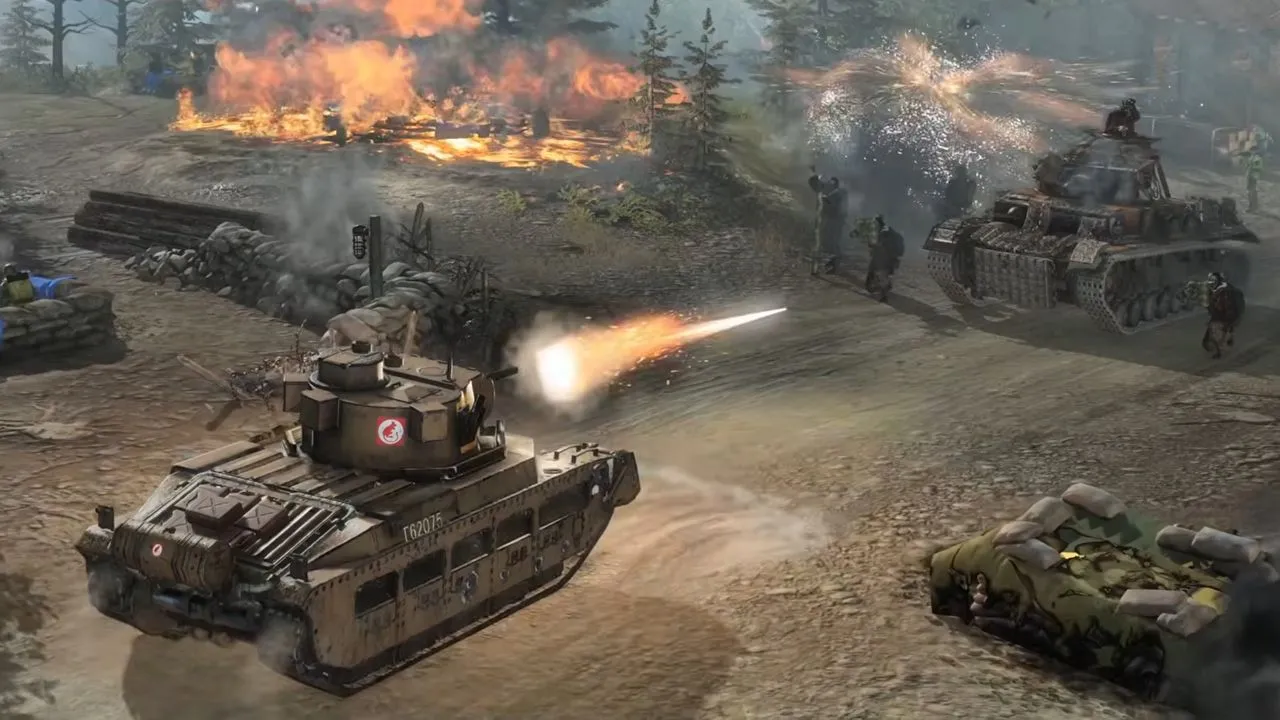
Relic Entertainment is releasing Company of Heroes 3: Final Stand on July 29, described as a wave-based defense game with roguelite progression. For decision-makers, the move tests whether a beloved RTS tactical foundation can convert into a punchier, replayable format without requiring prior series knowledge.
Relic Entertainment is shipping Company of Heroes 3: Final Stand later this month on July 29, and it is not an RTS. The studio is pivoting into a “wave defense” structure where players face escalating rounds of enemy attacks, complete with powerful bosses and “dynamic battlefield events,” while still claiming it is “built on the beloved tactical foundation” of the Company of Heroes games.
The headline stake is simple: instead of asking you to master a full real-time strategy flow, Final Stand is designed to throw you straight into the action. Relic says players can “jump right in and experience the thrill of holding the line against overwhelming odds,” whether you are a longtime fan or new to the franchise, and it frames the core appeal around those pivotal CoH moments where preparation, adaptability, and decisive command determine survival.
This is also a model question for anyone watching how mid-cycle franchises stay financially and creatively relevant. Earlier this year, Relic announced Company of Heroes: Definitive Edition as a remake celebrating the 20th anniversary of its WW2 RTS, a move that signals the studio is investing in brand gravity and legacy audiences. Final Stand shifts the emphasis away from “remake the past” and toward “compress the experience for faster onboarding.” The key line in the pitch is that Final Stand is a standalone release and “doesn’t require any knowledge of, or experience with, previous releases in the series.” In other words, Relic is trying to widen the funnel beyond existing CoH players.
The game’s structure reinforces that onboarding idea. Players will fight across five battlefields “designed for wave defense gameplay,” and the experience includes four factions, each with unique strategies, abilities, and progression paths. For players, that means repeated runs are not just “same waves, different difficulty.” For Relic, it means faction variety can help retention by preventing the progression system from feeling like a single-track grind.
Then there is the roguelite layer, which is where Final Stand signals it wants to compete in a genre ecosystem that runs on replayability loops. Relic says the roguelite progression system “encourages experimentation, adaptation, and replayability.” That is a pretty pointed attempt to translate tactical decision-making into a repeatable challenge format. In an RTS, the player’s “adaptation” often comes from scouting, timing, and real-time command. In wave defense, those adaptation muscles have to show up inside each run. The studio is essentially betting that the tactical foundation people love in Company of Heroes can be expressed through shorter, higher-frequency decisions.
Difficulty scaling also lands in the “broad audience” strategy. Final Stand will include eight difficulty levels, which should let Relic serve both the players looking for approachable entry and the players chasing hard-mode mastery. It will also support singleplayer and two-player co-op, which is another lever for expanding the customer base. Co-op is a marketing-friendly feature for a reason: it reduces the social friction of trying something new, because you can recruit a friend into your run.
Relic’s positioning matters, too, because the company is directly connecting Final Stand to Company of Heroes 3 without requiring prior experience. The article notes that Final Stand is “obviously based on Company of Heroes 3,” but also clarifies it will not require knowledge of earlier releases. That combination is a classic studio incentive alignment: leverage assets or design learnings from the existing game ecosystem, while minimizing the “I’m behind” barrier that often kills conversion.
There is also a commerce hook for existing owners. If you own Company of Heroes 3, you will get a 20% discount on the $30 purchase price of Final Stand. That is a clear retention play for the active CoH 3 audience, and it also helps explain why Final Stand can be standalone while still being attached to the mainline product. For decision-makers, this kind of discount structure can support predictable revenue from the current install base while you simultaneously try to grow the broader market through onboarding-friendly claims.
Finally, the way Relic describes Final Stand sounds like it sits between “mode” and “product.” The source speculates it “more like a mode in a fully-fledged Company of Heroes game,” yet it is presented as a standalone release. That hybrid positioning is strategically significant. It can capture incremental value without asking the audience for a full RTS commitment, while still keeping the tactical brand identity intact. If this works, studios with established strategy franchises might feel more confident about packaging their DNA into formats built for faster sessions, higher replay loops, and easier first-time adoption. If it does not, the lesson is equally sharp: the tactical foundation does not automatically translate into new gameplay loops, even when the marketing says it does.
This story's Key Insights and Take-aways are locked.
Create a free account to unlock Executive Actions for one credit.
Register to UnlockAlways free for Executives Club members. Join the Club
More in Entertainment

Russell Brand's accuser 'bewildered and confused' as he denies 7 sex charges
The criminal case against the comedian is a live test of how media companies manage talent risk when serious allegations go public.

'It's a Magic Trick': Ballet Experts Say Rosalía's SNL Pose Is Impossible
Three ballet experts tell Rolling Stone Rosalía's gravity-defying SNL stillness shouldn't be possible - and why the debate is now part of the show.

Activision CMO: GTA 6 Will Boost Call of Duty, Not Bury It
Activision's top marketer says Rockstar's blockbuster will drive players back to consoles and into Modern Warfare 4, even as the company admits its recent strategy failed.