

Rick Beato’s Paul McCartney video exposes how music publicity chases algorithmic viral gimmicks
The viral clip is the headline. The real story is the incentives that turn publicity into attention math.

Rick Beato’s viral video about Paul McCartney takes on how today’s music publicity often chases attention and viral gimmicks. For decision-makers, it signals a deeper media reality: algorithmic visibility is reshaping how content is packaged, promoted, and measured.
Rick Beato’s viral Paul McCartney video is doing more than getting clicks. It calls out a deeper media reality where music publicity, increasingly, is less about communicating art and more about capturing attention in the algorithmic era. The point is simple but uncomfortable: when the promotional machine is optimized for what performs online, the incentives start to favor viral gimmicks over substance.
Beato’s McCartney call-out lands because it is essentially a mirror held up to an industry-wide behavior. In an attention economy, publicity is measured quickly, often publicly, and frequently with visible signals like views, shares, and engagement spikes. That means strategies that might look slightly awkward in the real world can still win online. And once “winning online” becomes the primary objective, the machinery starts to churn out content designed to provoke, package, and trend rather than patiently build context around an artist.
This is where the algorithmic era changes the rules of the game. Traditional music publicity has always balanced storytelling, timing, and access. But algorithms compress timelines. They reward formats and hooks that can be consumed instantly, shared easily, and understood without a lot of background. For labels, publicists, and media partners, that creates a practical dilemma: chase the signals that correlate with reach, or accept that the work may not surface as prominently. When those signals are the scoreboard, campaigns begin to look like tournaments. Everybody reacts to what already worked.
Now add the social layer. Viral content is not just performance. It is also perception management. When audiences see a clip trending, they assume it matters, even if the clip is only one slice of the larger story. That effect can become self-reinforcing. Publicity teams can end up building campaigns around “attention artifacts” rather than around the full narrative arc, because artifacts are easier to test and faster to scale. In that system, it becomes rational to prioritize gimmicks that reliably generate engagement, even if they reduce how much of the music or craft is communicated.
That is the deeper stake behind Beato’s McCartney video. The critique is not really about one artist, or even one publicity campaign. It is about the publicity machine itself and the modern environment it operates in. When promotion is optimized for algorithmic visibility, it can subtly shift what gets funded internally, what gets celebrated externally, and what gets remembered. The result is a feedback loop: viral attempts generate viral results, those results justify more viral attempts, and the culture of the promo industry drifts further toward shortcuts.
For decision-makers, the second-order implication is about allocation and risk. If your promotion strategy is built primarily around attention spikes, you may be overexposed to volatility. Viral content can fade quickly. It can also create reputational whiplash if audiences perceive the marketing as empty theater. Boards and executives are increasingly dealing with measurement that is immediate, but brand effects tend to be longer-term and harder to quantify. So the operational challenge becomes balancing short-term reach against long-term trust, and doing it without letting the algorithm define your brand identity.
There is also a media ecosystem angle. Outlets and creators want what performs. Publicists want what distributes. Platforms want what retains attention. Those incentives can align in a way that makes publicity look efficient while it is actually narrowing what stories get told and how often they are told. Beato’s call-out resonates because it highlights how those incentives can turn serious cultural work into content engineered for scrolling.
The strategic bottom line is that Beato’s viral McCartney video is a case study in how publicity can be pulled away from its mission by the mechanics of visibility. Executives in music, media, and adjacent consumer entertainment should treat that as a management question: are you using algorithms as a channel, or are you letting them reshape the product and narrative itself? In a world where attention is the currency, the real win is not just going viral. The win is retaining meaning while you chase reach.
This story's Key Insights and Take-aways are locked.
Create a free account to unlock Executive Actions for one credit.
Register to UnlockAlways free for Executives Club members. Join the Club
More in Business

Uber buys Delivery Hero for nearly $15B, vaulting to top food delivery outside China
The deal doubles Uber's dual-services footprint and pushes a ride-and-eats bundling play into 50 more markets.

Epic and Google drop settlement bid, forcing rival Android app stores by July 22
Google told the court it is ready to carry third-party app stores starting Wednesday, July 22.
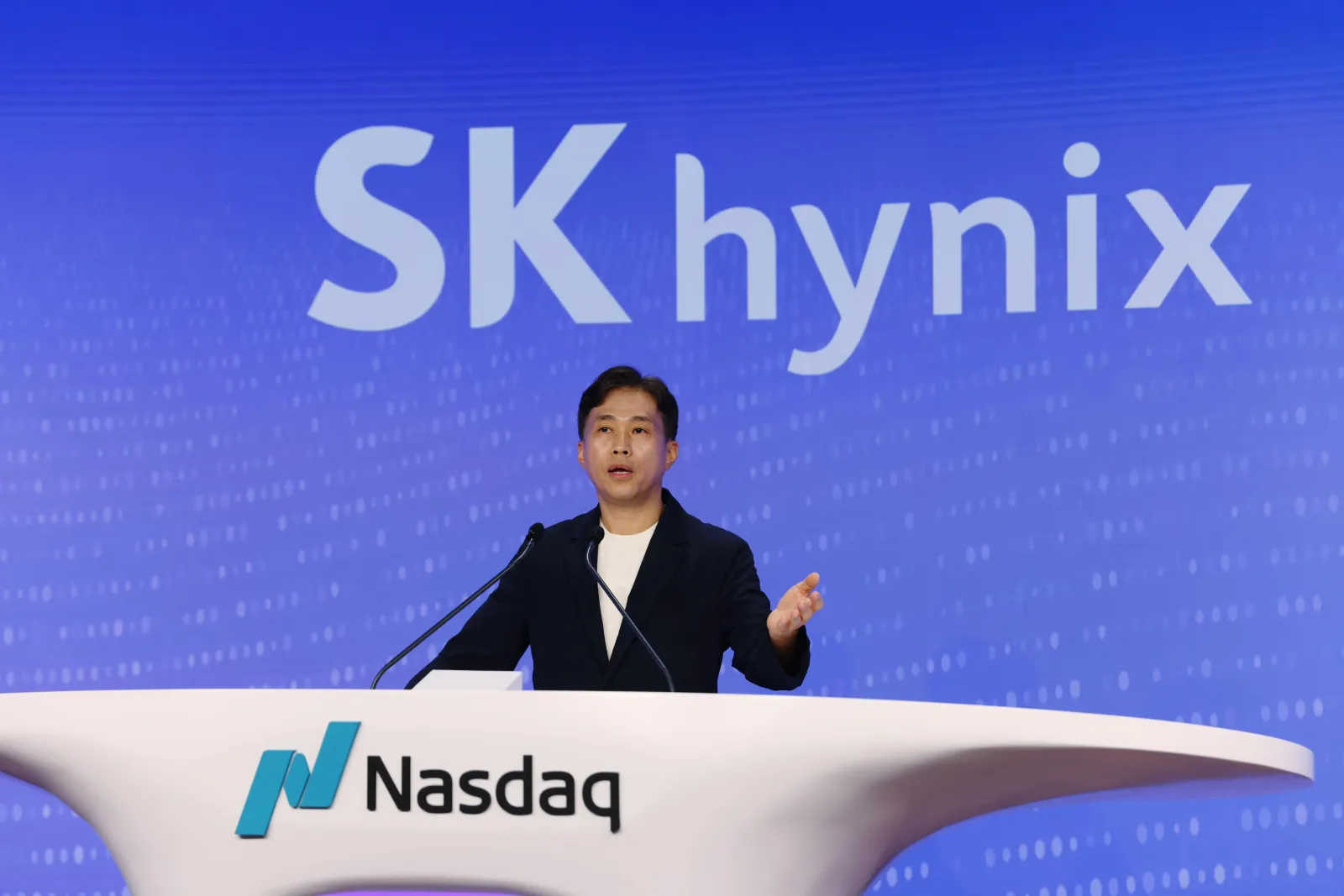
SK Hynix opens at $170, raises $26.5B, and tops foreign IPO records
In Friday's Wall Street debut, SK Hynix turns AI RAM demand into a $26.5B fundraising moment that rewrites comps.