
Rico Nasty reunites with Kenny Beats for RX, plus Dylan Brady’s contributions
The new Rico Nasty album RX, launched with “Cupcake,” reconnects key creative chemistry and widens the cross-scene tent.
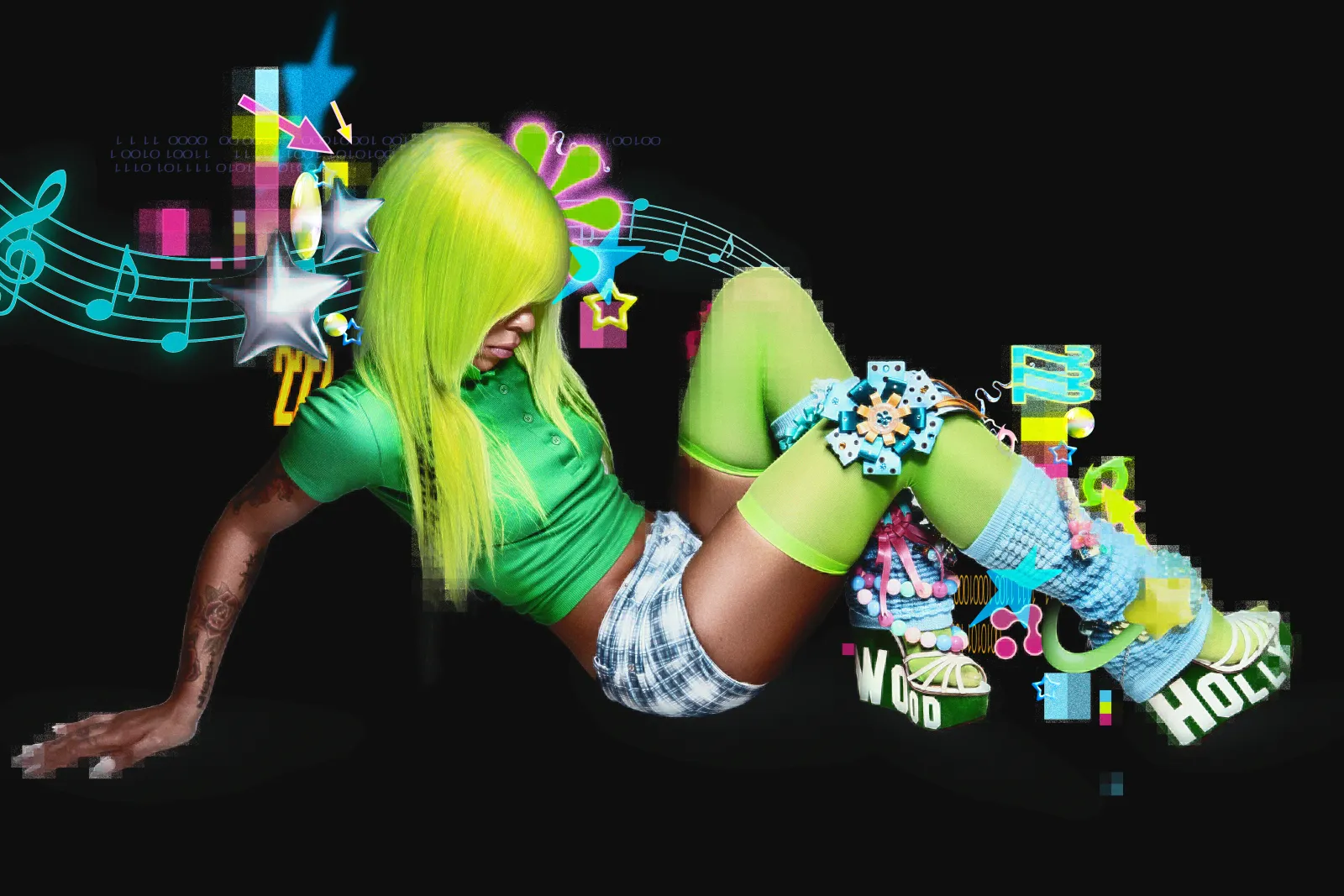
Rico Nasty introduces her new album RX with the track “Cupcake,” reuniting with longtime collaborator Kenny Beats. The album also includes contributions from Dylan Brady of 100 Gecs, adding another major voice from the alt-pop pipeline.
Rico Nasty is back with a new album, RX, and she is not treating this rollout like a solo victory lap. The headline act here is a reunion with longtime collaborator Kenny Beats, the producer who has been part of her creative orbit for years. On RX, that long-running partnership is matched with contributions from Dylan Brady of 100 Gecs, showing Rico is also intentionally pulling threads from a neighboring scene that has been very good at turning internet attention into lasting sound.
The album arrives with “Cupcake,” which effectively sets the tone for what decision-makers in music and culture should watch next: the ability to fuse audience demand with proven creative engines. RX is not built on a vague “new direction” promise. It is built on relationships. A reunion is a signal. It says the chemistry that worked before still matters, and that the risk profile is managed by leaning on collaborators who already understand the artist’s instincts, pacing, and aesthetic.
Now zoom out to why this matters for executives, investors, and operators beyond the fanbase. In an industry where attention is volatile, partnerships are a stabilizer. Longtime collaborators like Kenny Beats reduce the uncertainty of the creative process because they bring established rapport and shared working patterns. When that partnership returns on a project like RX, it can also change how teams plan the rest of the release. Labels, marketing leads, and touring strategists can lean into a coherent narrative: not just “Rico Nasty released new music,” but “Rico Nasty reactivated a proven creative system, and it now intersects with another recognizable creative force.”
The second ingredient is the Dylan Brady connection. Brady is part of 100 Gecs, a name that carries weight in the broader alt-pop ecosystem. His contributions to RX matter because they hint at cross-pollination. That matters commercially because these scenes do not just overlap socially, they overlap in listening habits. Fans who track 100 Gecs often treat new releases as events, not background content. When a high-signal artist from that world shows up on RX, it can widen the discovery funnel for Rico, and it can do so without changing her core identity.
If you are a board member or investor, the relevant question is not “Will fans like it?” The relevant question is “How does this affect probability?” Creative projects live or die on probability distributions: will the sound land, will the marketing message resonate, will the rollout timing pay off. A reunion with Kenny Beats and contributions from Dylan Brady are both ways to move those probabilities in your favor. They stack credibility signals. They also create more than one reason for different communities to engage.
There is also a structural angle worth noting. Music discovery increasingly depends on recommendation systems, playlists, and social amplification loops. In that environment, recognizable names and reliable collaborative networks can function like metadata. They help platforms and listeners categorize releases quickly. That can influence how RX is surfaced when someone searches for “Rico Nasty new album” or for the specific collaborators tied to her sound.
Finally, the strategic stake for peers is simple: RX is a reminder that even in a fast, novelty-driven culture, the strongest leverage often comes from durable creative partnerships. Reunions are not nostalgia for nostalgia’s sake. They are risk management, brand reinforcement, and audience reassurance wrapped into one. If you are leading a label, managing an artist, or allocating capital to music-adjacent companies, pay attention to how teams build projects around known creative chemistry, then augment it with cross-scene collaborators who expand the audience surface area. In other words: Rico Nasty is using both familiarity and novelty, and the industry should treat that as a playbook worth studying.
This story's Key Insights and Take-aways are locked.
Create a free account to unlock Executive Actions for one credit.
Register to UnlockAlways free for Executives Club members. Join the Club
More in Entertainment
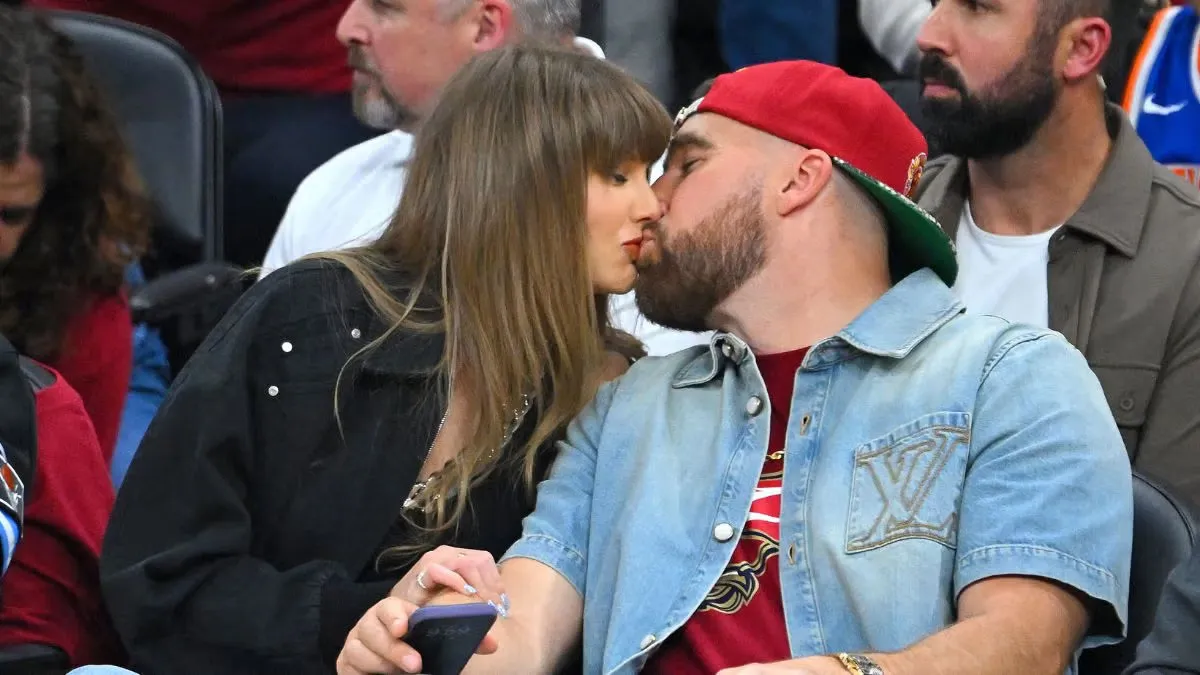
Adam Sandler officiated Taylor Swift and Travis Kelce’s Madison Square Garden wedding
Dior couture, Cartier jewels, 1,000 guests, and a star-saturated guest list all show up in the details.
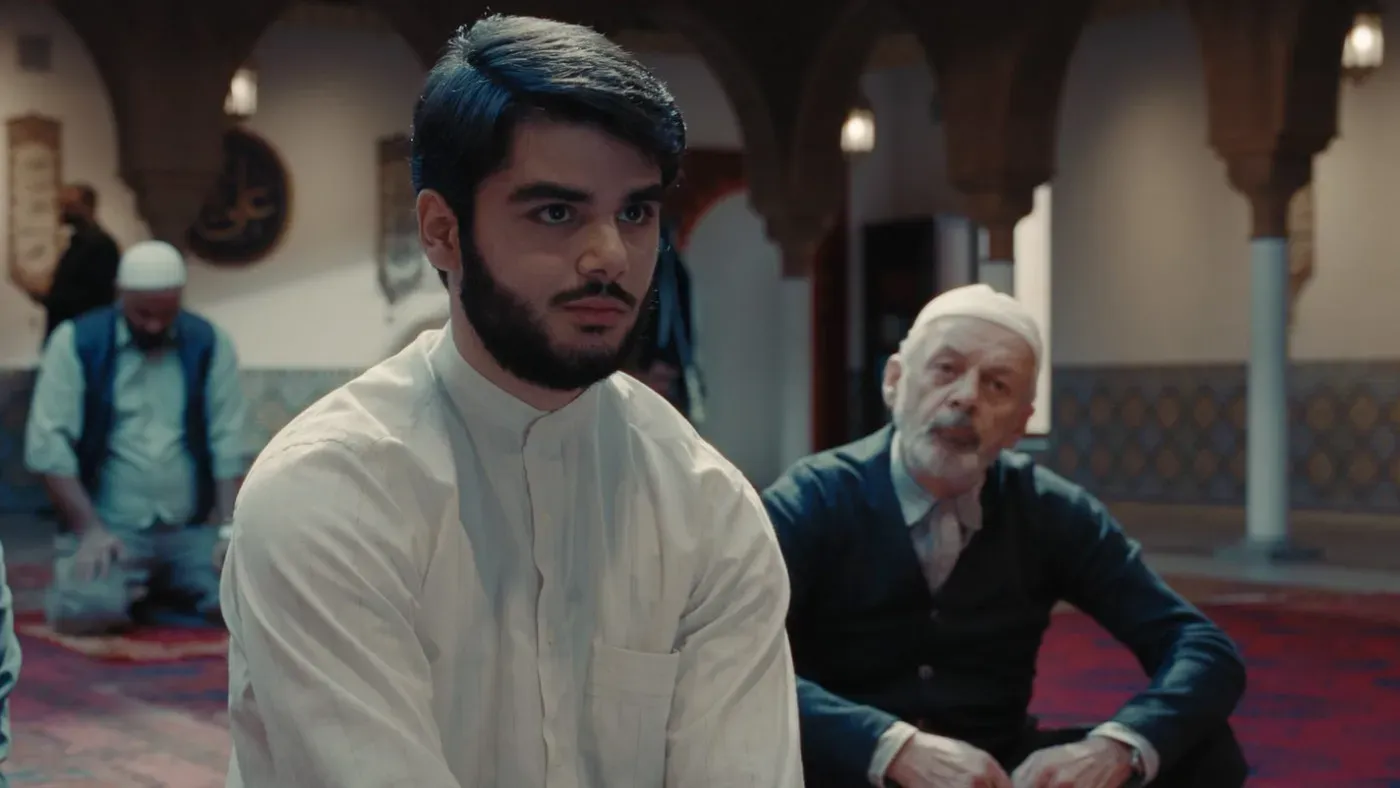
Nader Saeivar debuts Hijamat at Karlovy Vary without Jafar Panahi present
The Berlin-set drama lands across borders, built through daily calls with a friend who edited from inside Iran.

Šimon Holý turns drag, family, and small-town life into “Chica Checa” premiere at Karlovy Vary
The writer-director-composer brings a tender political statement to the Crystal Globe Competition, and it lands with force.