

Rob Wrubel’s Coke AI ad backlash sparks an “anti-slop” creative rebellion
Artists are leaning into homespun imperfections after “script to production is just two weeks” became a PR nightmare.
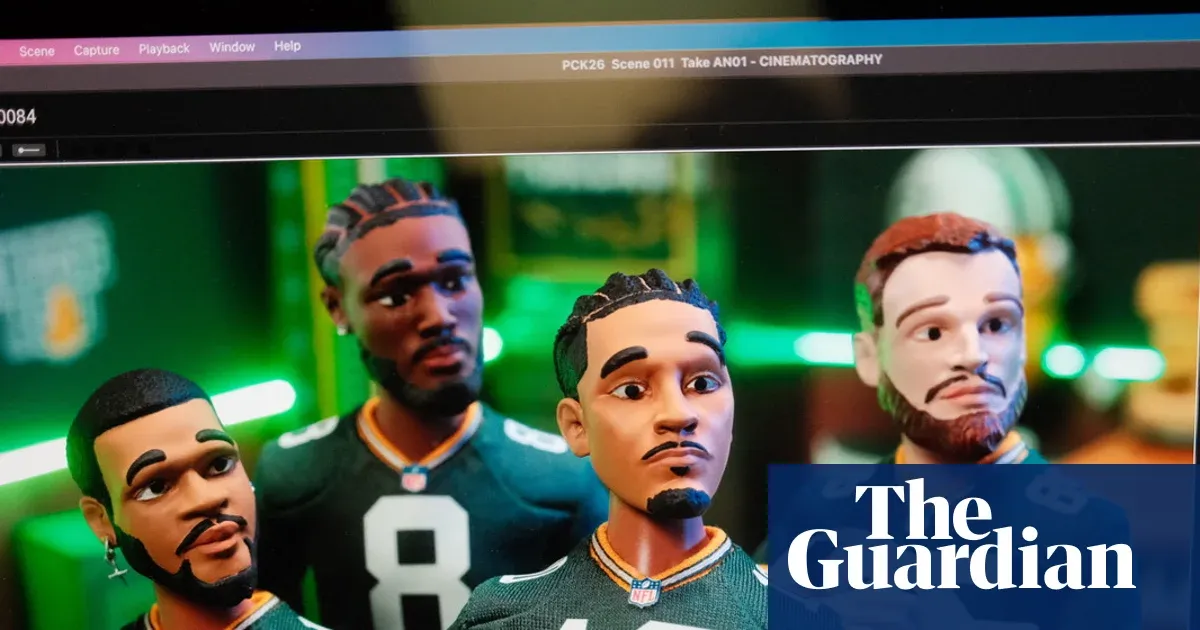
At the Runway AI Summit in New York City, Rob Wrubel, co-founder and managing partner at San Francisco ad firm Silverside, promoted his work on Coca-Cola’s AI-generated 2025 Holiday Caravan ad. The ad’s computerized polar bears and fake-looking delivery trucks drew widespread dislike, turning the backlash into the story itself.
Artists and creatives are reacting to AI’s hyperrealism with something almost stubbornly human: a push toward the homespun and imperfect. The trigger, according to the Guardian reporting, is a very modern kind of creative trap. When “looks real” becomes the default goal, audiences start treating polish as suspicious, and speed as sloppy.
That tension hit the mainstream earlier this year at the Runway AI Summit, a daylong New York City event described as a hype-fest where film-makers, commercial directors, and AI industry influencers gathered to trumpet the technology. During one talk, Rob Wrubel, co-founder and managing partner at San Francisco ad firm Silverside, discussed his work on the Coca-Cola company’s AI-generated 2025 Holiday Caravan ad. Wrubel pitched the core promise of generative tools: “you can go from script to production is just two weeks!” But what he did not emphasize was what the public fixation immediately became. The ad, featuring computerized polar bears and fake-looking trundling delivery trucks, was widely despised by people who saw it.
And then came the part that really matters for executives: the backlash did not just sting. It multiplied. The public distaste for the campaign became its own news story, with headlines like “People really don’t like Coke’s AI holiday commercial” and “Coca-Cola’s New AI Holiday Ad is a Sloppy Eyesore.” In other words, the creative output got judged not only on craft, but on intention and process. Fast production and synthetic imagery can read as either innovation or indifference, depending on how the audience experiences the final artifact.
Wrubel later acknowledged that dynamic when reached for comment about the backlash. He admitted, “The conversation around the ad became almost as important as the ad itself because it surfaced questions the entire creative industry is wrestling with right now.” That line captures a real, second-order business risk. When public reaction becomes separate content, you are no longer selling a campaign. You are managing an argument. And arguments tend to travel through media cycles faster than revisions can fix them.
Zoom out and the incentive structure becomes clearer. AI tools compress timelines. Wrubel’s “two weeks” claim is essentially an efficiency story, the kind of thing brand teams and ad agencies love to translate into reduced costs and quicker iteration. But compressed timelines can also compress the “quality negotiation” that usually happens across creative review, production nuance, and audience testing. If the audience thinks the result looks computed rather than crafted, the “speed advantage” can invert into a “care deficit” narrative. That is how hyperrealism becomes backlash fuel: the more seamless the output appears, the easier it is for viewers to notice what feels off, and the harder it is for a synthetic shortcut to stay invisible.
There is also a market-wide signaling effect here. If a big consumer brand like Coca-Cola uses AI-generated elements and triggers negative headlines, that becomes a reference point for every board slide that comes after. Even if the ad was conceived quickly and used emerging tools, it still sets expectations about what stakeholders will tolerate. Decision-makers in marketing, creative services, and tech-enabled content now have a clearer question to ask: is this campaign optimized for performance metrics, or optimized for public trust?
On the regulatory and policy side, the source does not cite specific rules or regulators by name. But the backdrop is the same one most boards are already tracking: governments and platforms are increasingly concerned with authenticity, disclosure, and the potential for synthetic media to mislead. When public backlash turns AI visuals into a “sloppy eyesore” headline, it adds cultural pressure to the already complicated policy environment. Regulators do not need to ban an image to create constraints. Standards around labeling, provenance, and consumer protection can tighten indirectly through platform enforcement or legal exposure.
For executives and boards operating in adjacent spaces, the strategic stake is simple. The next wave is not just AI-generated creative. It is AI-generated creative under scrutiny, with audience expectations shifting from “more realistic” to “more honest.” The emerging “anti-slop” posture described in the reporting is less about rejecting AI entirely and more about choosing imperfections intentionally, as a way to signal care, craft, and human presence. If your organization is betting on generative speed, you will likely need a plan for the reputation economy that follows it.
This story's Key Insights and Take-aways are locked.
Create a free account to unlock Executive Actions for one credit.
Register to UnlockAlways free for Executives Club members. Join the Club
More in Technology

OpenAI says 10,000 agents cracked a 90-year math problem in 88 hours
The company's claim is audacious, but one mathematician is pushing back. Here's what it means for AI-driven discovery.
Meta still serves child sexual abuse ads on Instagram in India - BBC report
A new report following the BBC Eye investigation says the ads are still there - what it signals for every platform with a self-serve ad engine.
White House yanks 'Build the Wall' game after Tetris Company copyright warning
The administration's arcade game vanished in hours - and the takedown playbook every brand can learn from.