
Rocket Companies’ CMO Jonathan Mildenhall says brand transformation is “only just got started”
In a Cannes Lions interview, Jonathan Mildenhall claims Rocket exceeded every brand and commercial metric in 24 months, and CMOs should lead the change.

Jonathan Mildenhall, CMO of Rocket Companies, joined the company nearly three years ago and described its brand transformation in a 2023 Cannes Lions Festival interview. He told CMO Insider at the 2026 Cannes Lions Festival that in the last 24 months Rocket exceeded every brand and commercial metric, and that CMOs can help the C-suite process radical, enterprise-scale change.
Jonathan Mildenhall, CMO of Rocket Companies, says the company’s brand transformation is far from finished. In an interview at the 2023 Cannes Lions Festival, he discussed the brand shift, and later told CMO Insider in an interview at the 2026 Cannes Lions Festival that “In the last 24 months we've been able to exceed every single brand metric and commercial metric set,” adding, “It's been a complete enterprise transformation, and we've only just got started.” That is a rare kind of claim in marketing land: not “we improved some things,” but “we beat the full scorecard,” and now they are ramping the next phase.
The part that should make every C-suite pause is what he links to those results. Mildenhall argues CMOs are positioned to do more than run campaigns, because the current moment is uniquely disruptive inside companies. He says, “This is the first time that every member of the C-suite is faced with absolute radical change and transformation, regardless of the teams they lead.” In other words, this is not just a marketing rebrand. It is enterprise transformation where every function has to adapt, and he believes CMOs can help the whole leadership group “process change at such massive scale.”
To understand why that matters, zoom out to what brand transformation usually means for businesses like Rocket Companies. Brand work is easy for leadership to treat as a downstream activity, something that should show up in awareness, perception, or lead quality. But Mildenhall’s framing ties brand to commercial outcomes directly, saying they exceeded both “brand metric and commercial metric” targets over the “last 24 months.” That matters because when brand and commercial move together, boards can stop seeing marketing as a cost center and start seeing it as an operating system for growth.
There is also a very practical incentive embedded in his message. If a CMO claims that every brand metric and commercial metric was exceeded within a set window, the bar rises. Boards, investors, and internal stakeholders do not just ask, “Did you run?” They ask, “Do you have repeatable leverage?” Mildenhall’s “only just got started” line is basically a signal that the company wants to lock in a momentum loop: prove the transformation, then expand it across more of the enterprise rather than treating it as a one-time brand refresh.
His perspective on timing adds another layer. He notes that CMOs are “accustomed to constant change,” which is true in many organizations, but he uses it to make a specific argument about organizational leadership. He says, “Because CMOs have been trained to deal with change and to harness that change, this is a fantastic moment for CMOs to work with all members of the C-suite and help all members process change at such massive scale.” That is effectively a redefinition of the CMO role from “messaging and demand” to “change enablement.” In practice, that could mean building shared language around transformation, aligning teams on what “good” looks like, and translating operational shifts into something customer-facing that still performs.
For boards and senior executives, the second-order implication is about governance. When Mildenhall says every C-suite leader is facing “absolute radical change,” it implies transformation is not contained. The outcome can depend on cross-functional cooperation, not just marketing execution. That raises questions about how leadership teams track progress. If marketing, product, operations, and customer experience are being pulled into the same transformation, measurement systems need to be shared, or the organization risks trading local optimization for global confusion.
There is also a strategic risk hiding behind the confidence. Over 24 months, Rocket reportedly “exceed[ed] every single” brand and commercial metric set. That suggests a high level of execution. But high execution often leads to the next challenge: sustaining performance when internal change is the product. If transformation is truly enterprise-wide, the organization may face fatigue, resourcing conflicts, or shifting priorities. Mildenhall’s emphasis on CMOs helping the C-suite “process change” hints at an internal focus on adaptation, not just external outcomes. That is the kind of organizational capability that can keep results from flattening.
So what should executives take from this? Mildenhall is not just celebrating numbers. He is arguing that the CMO seat carries unusually relevant leadership skills during a rare, broad-based moment of upheaval. When he says CMOs can “work with all members of the C-suite,” he is framing a leadership coalition, not a lone marketing function. For other CMOs, CEOs, and boards, the stakes are clear: if your organization is entering radical change across functions, the question is whether your leadership structure helps people process it, or whether everyone gets stuck optimizing their corner. Mildenhall’s claim is that Rocket built transformation that is both measurable and enterprise-wide, and that the next stage will require the whole C-suite working in lockstep, with the CMO as an active change partner.
This story's Key Insights and Take-aways are locked.
Create a free account to unlock Executive Actions for one credit.
Register to UnlockAlways free for Executives Club members. Join the Club
More in Business

BioWare shuts down, Mass Effect 5 dead after $55B EA buyout
The legendary RPG studio's closure lands months after a $55 billion investment group buyout of EA, raising tough questions for gaming's biggest acquirers.
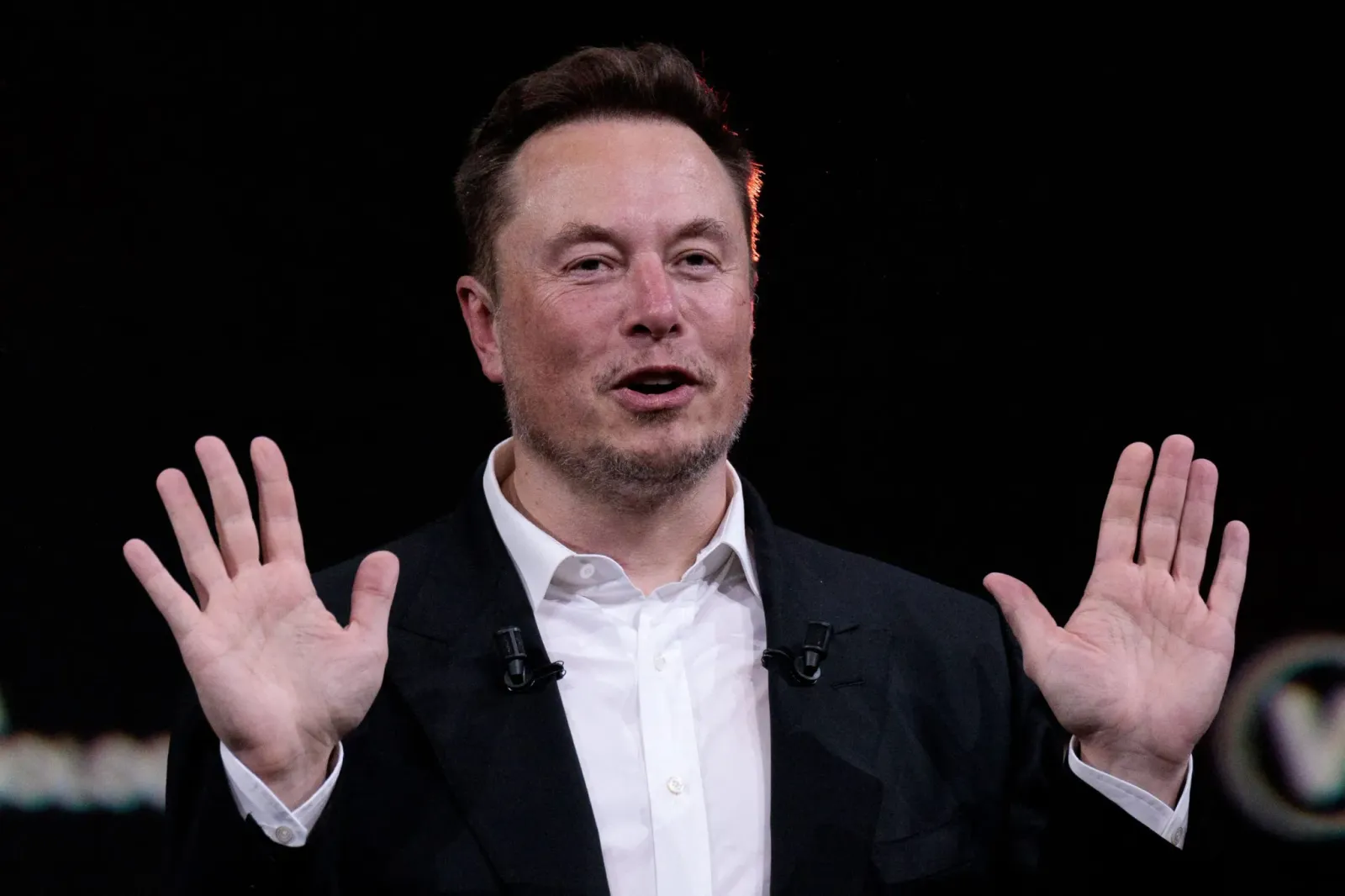
Musk barred from the room as Tesla, SpaceX boards weigh $3.5 trillion merger
The CEO of both companies is a 'conflicted party' watching independent directors negotiate a tie-up that would create a $3.5 trillion giant he would own about a third of.
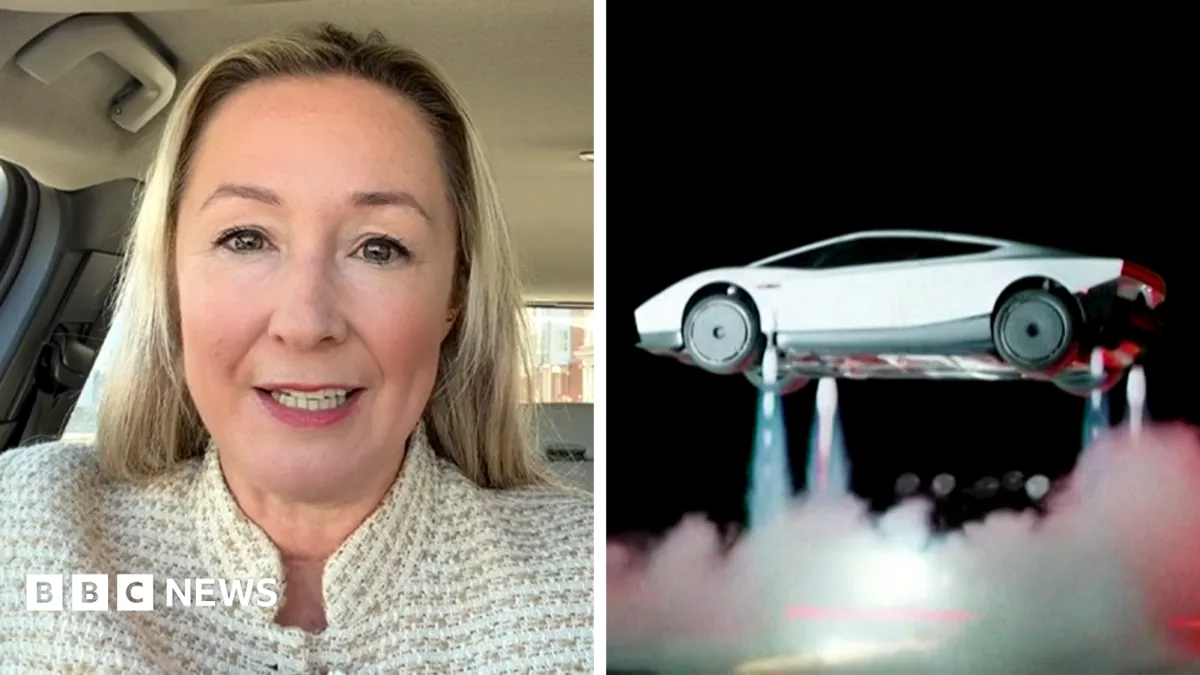
Elon Musk just showcased a flying car - and it wasn't at Tesla
The Tesla CEO's latest reveal came at SpaceX, not Tesla, signaling where vertical mobility is headed.