

Rocket Lab fights NASA's $700M Blue Origin Mars pick
Rocket Lab formally protests NASA's $700 million Mars orbiter award to Blue Origin, citing congressional eligibility rules and a flawed technical review.

Rocket Lab filed a formal protest with the Government Accountability Office challenging NASA's $700 million Mars Telecommunications Network award to Blue Origin, arguing the decision violates congressional eligibility criteria and that NASA's technical review was inconsistent. The protest could delay the program and reshape competitive dynamics for future NASA infrastructure contracts.
Rocket Lab is not going quietly. The California-based space company filed a formal protest with the Government Accountability Office (GAO) on Sept. 11, challenging NASA's decision to award Blue Origin a $700 million contract to build, launch, and operate the Mars Telecommunications Network (MTN). The protest directly contests the agency's pick, which went to Jeff Bezos' spaceflight company earlier this month, and it puts a spotlight on the high-stakes, high-dollar world of NASA procurement where a single contract can define a company's trajectory for a decade.
Rocket Lab's argument is sharp and specific. In an X post announcing the protest, the company said NASA's award decision "appears to be inconsistent with the eligibility criteria mandated by Congress." It also accused the agency of conducting a "punitive review" of Rocket Lab's technical volume, making "incorrect assertions and conclusions." The company framed the protest as a defense of procurement integrity: "Procurement standards exist to ensure fair competition and protect public investment," Rocket Lab said, adding that it is pursuing the review to ensure those standards are upheld for "critical infrastructure that will underpin American exploration at Mars for decades to come."
The stakes are real. MTN, despite its name, is a single spacecraft designed to serve as a communications relay between Earth and NASA's Mars missions. Right now, only two aging orbiters fill that role: Mars Odyssey, launched in 2001, and the Mars Reconnaissance Orbiter, which lifted off in 2005. Both are well past their original design lives, and NASA has been eyeing a replacement for years. Congress finally funded the program in July 2025 with a $700 million allocation, and NASA issued a request for proposals in May 2026. Blue Origin and Rocket Lab emerged as the front-runners, with NASA ultimately selecting Blue Origin.
The contract requires Blue Origin to deliver MTN to NASA no later than Dec. 31, 2028, with the spacecraft expected to be operational at Mars by 2030. That timeline is aggressive, and any GAO review could add months of uncertainty. But this is not unfamiliar territory for Blue Origin. In 2021, the company filed its own GAO protest after NASA picked SpaceX for the first crewed lunar lander under the Artemis program. The GAO denied that protest in July 2021, and Blue Origin's subsequent lawsuit also failed in November 2021. The story had a happy ending for Blue Origin, though: NASA later decided to select a second Artemis lander, and Blue Origin won that contract in 2023.
Now the roles are reversed, and Rocket Lab is hoping for a similar second-chance outcome. The GAO typically takes 100 days to rule on a protest, though complex cases can stretch longer. A sustained protest could force NASA to revisit its evaluation, potentially reopening the competition or requiring a revised award decision. Even if the GAO denies Rocket Lab's protest, the public airing of alleged inconsistencies could pressure NASA to be more transparent in future procurements.
For the broader space industry, this protest is a reminder that NASA contracts are not just technical wins - they are political and legal battlegrounds. The MTN award is a cornerstone of NASA's Mars exploration strategy, and the losing bidder's willingness to challenge it signals that the competitive landscape for deep-space infrastructure is intensifying. Companies like Rocket Lab, which have built reputations on cost efficiency and rapid iteration, are increasingly willing to fight for contracts they believe they should have won.
The outcome matters beyond the two companies involved. A GAO ruling in Rocket Lab's favor could delay the MTN timeline, leaving NASA's existing orbiters to stretch even further. A denial would validate NASA's procurement process and give Blue Origin a clear runway to execute. Either way, the protest sends a message to every company bidding on NASA's next-generation space infrastructure: the award is not final until the GAO says it is. For executives in adjacent industries, the lesson is simple - when a contract of this magnitude is on the line, the fight is part of the game.
This story's Key Insights and Take-aways are locked.
Create a free account to unlock Executive Actions for one credit.
Register to UnlockAlways free for Executives Club members. Join the Club
More in Business

Apple unveils first foldable iPhone Duo with 7.6-inch display under new CEO Ternus
Apple's first foldable, the iPhone Duo, marks a major product bet for new CEO John Ternus, with a 7.6-inch unfolded screen.
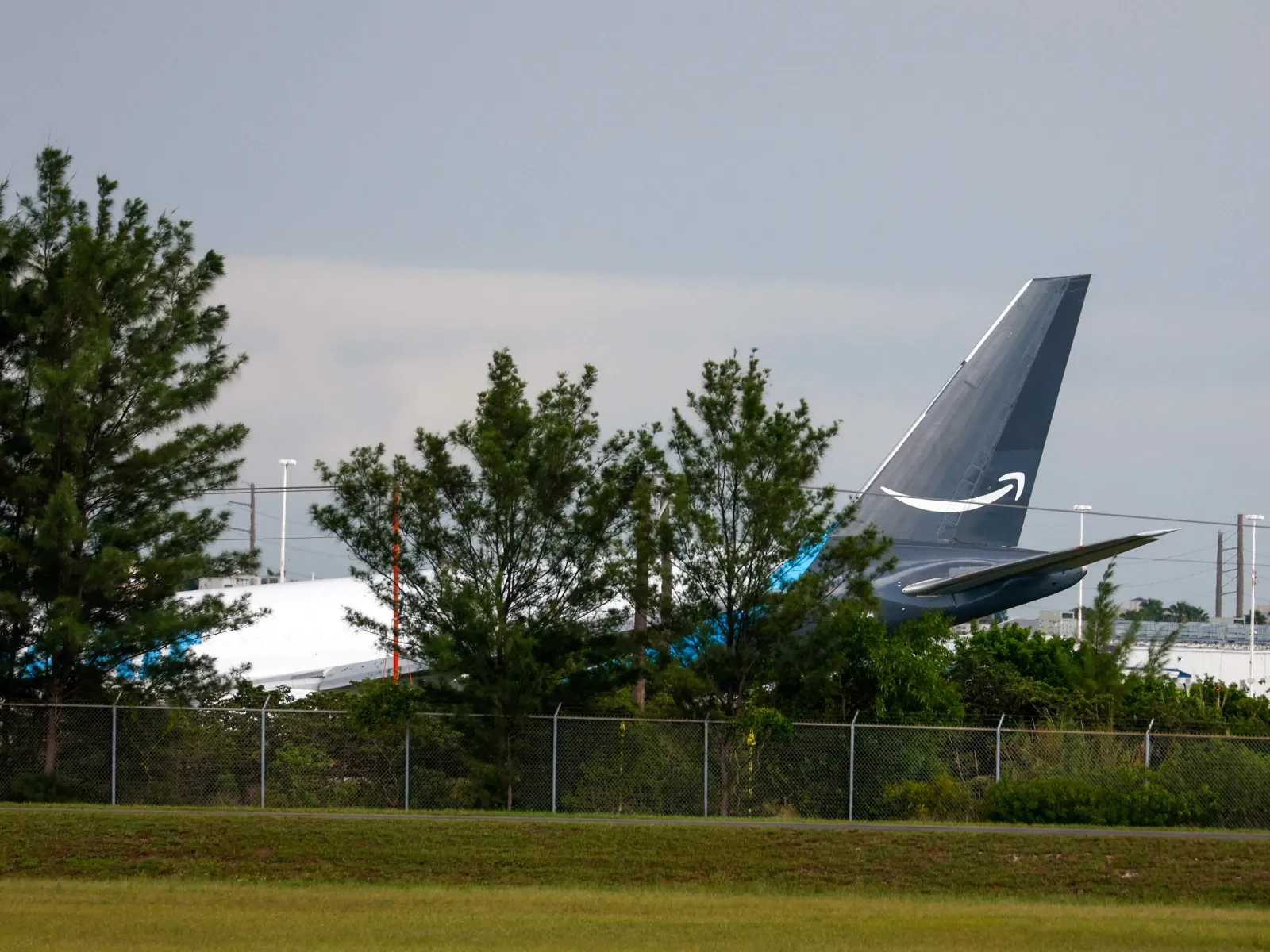
Amazon Prime Air 767 overshoots Miami runway, killing at least 5
The Boeing 767 freighter from San Juan struck vehicles and erupted in flames, prompting a ground stop and a fresh NTSB investigation into Amazon's air cargo network.
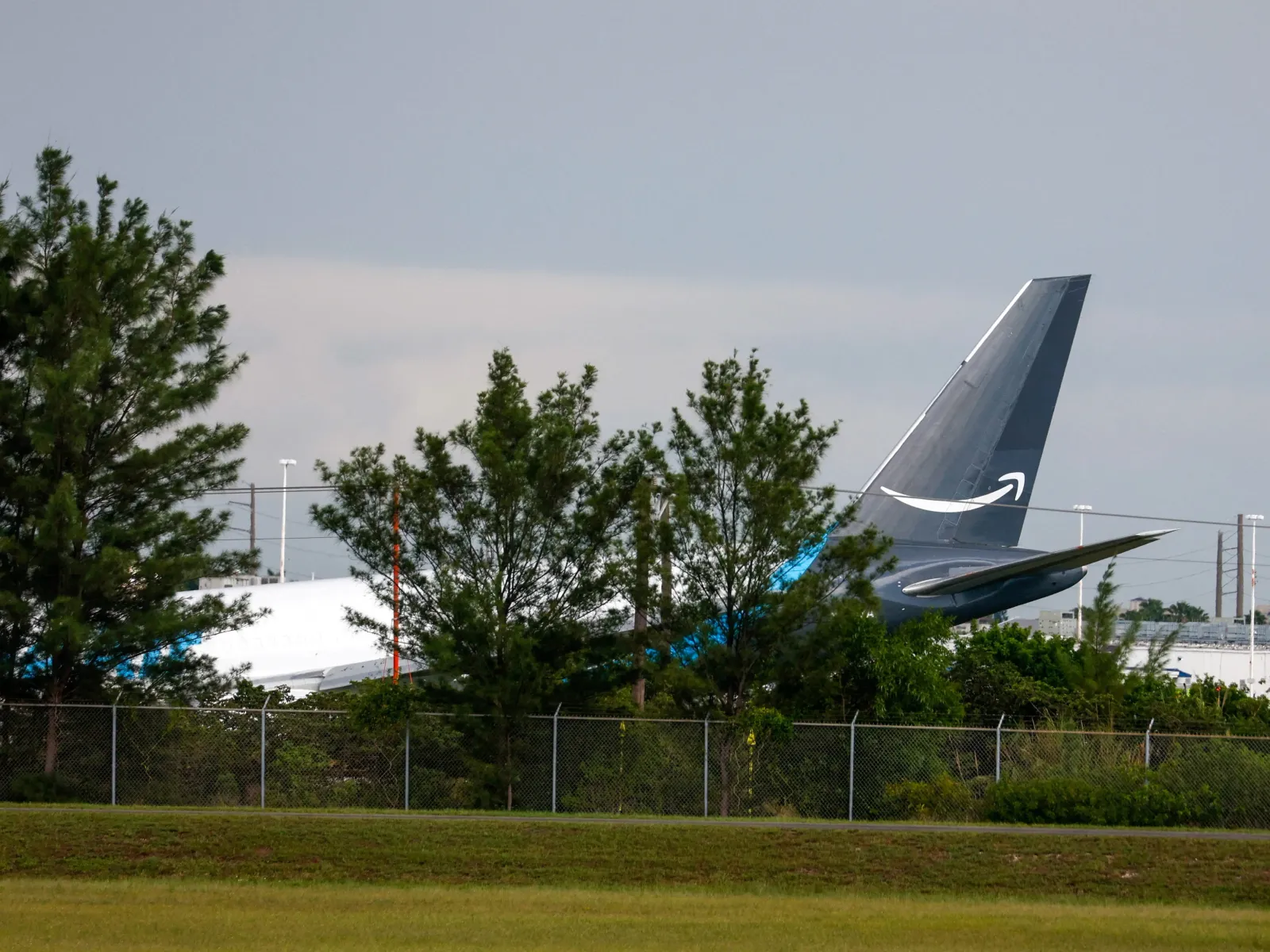
Amazon Prime Air 767 overshoots Miami runway, strikes vehicles, catches fire
The Boeing 767, operated by 21 Air, was arriving from San Juan when it overshot the runway, triggering a ground stop and multiple injuries.