

Rolin Jones explains Loustat’s “Failures” cliffhanger and the season 3 secrets under it
Showrunner Rolin Jones breaks down the finale’s parallel confessionals, Armand’s reveal, and why the edit hides meaning.
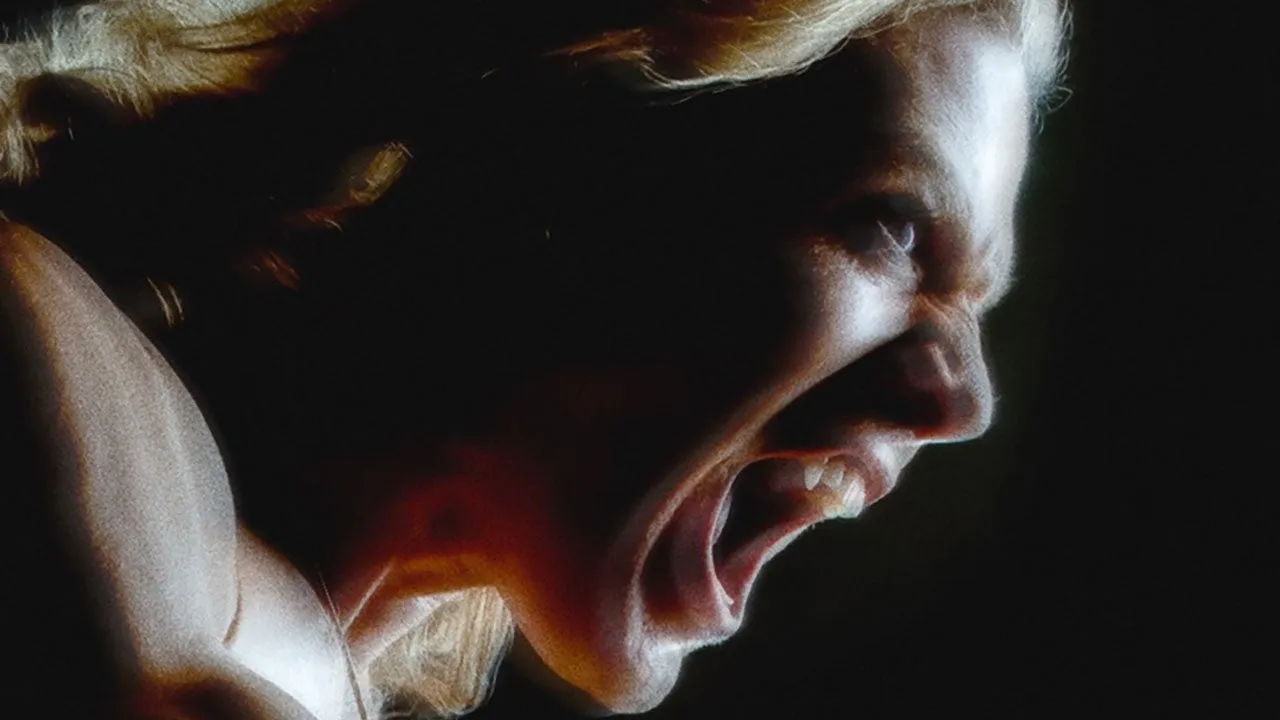
Rolin Jones, showrunner of AMC’s The Vampire Lestat (formerly known as Anne Rice's Interview With the Vampire), explains how Season 3 finale “The Failures” is built around parallel journeys for Louis and Lestat. For decision-makers and media watchers, it’s a clear example of how storytelling risk, editing strategy, and character incentives can convert a cliffhanger into a roadmap for what comes next.
Spoilers for The Vampire Lestat Season 3, Episode 7 - “The Failures,” now streaming on AMC and AMC+. The finale lands with two decapitations and then doubles down on the meaning: a beheaded Lestat sits inside a “mind palace” of his own making while a headless Louis de Pointe du Lac (Jacob Anderson) confronts his disembodied torso in a butcher shop as Armand (Assad Zaman) tries to force amends. The episode’s real structure, Jones says, is the season’s endgame: parallel confessionals that push Lestat and Louis toward owning what they did, not just what they survived.
Jones tells IGN the whole season was designed to “bring Lestat and Louis' journeys together” by running their stories alongside each other. Watching the two arcs in tandem is the mechanism, not the coincidence. In “The Failures,” that design shows up in the brutal contrast between Lestat’s internal, dream-like accuser’s court and Louis’s externally escalating reckoning. And yes, the cliffhanger matters, because the showrunner frames the season as “exposing 200 years worth of vulnerabilities” in the mercurial bloodsucker played by Sam Reid.
The headline hook is the cliffhanger, but what makes it more than shock-value is how much of it Jones says was executed through craft. He’s candid about why the horror tone works: the show has earned its “horror lite” reputation, so leaning into existential terror lets the series do more extreme things for at least half the finale. Jones points to contemporary horror as a guidepost, describing films that “give you all the terror” and then go “some other place.” In other words, the finale’s fear is not only what happens on screen. It’s what the characters are forced to admit about themselves.
Then there is Armand. Jones calls the season’s reveal that Armand is the villain “extremely difficult to execute,” specifically because of how long the show had to keep his backtracking and lurking under wraps. Normally, Jones says, they’d show Armand’s machinations directly, but the “backtracking of Armand's lurking is fixated on the Regina [Delainey Hayles] of it all,” and that creates a “long play” that has to pay off. He even offers a rewatch prompt aimed at pattern recognition: “For anybody who is rewatching, just ask yourself in every scene - where's Armand now?” The show, he argues, hides him like wallpaper that “peels off slowly to suffocate you, then jumps on you.” That conceal-and-reveal isn’t just a writing trick. Jones says it’s hard because “you have to withhold Assad so much,” keeping the performance and the audience’s attention deliberately constrained.
The payoff for Louis is the emotional turn that makes the cliffhanger feel inevitable rather than random. Jones says the twist helps Louis understand the depth of the damage he inflicted on Armand, prompting “genuine amends” and also forgiveness toward Regina. He describes Louis’s shift as moving from wanting to save Regina to confronting accountability for when he “froze this guy out.” Jones underscores that empathy is the point, even if Louis’s current circumstances are extreme. He also urges viewers not to treat Regina’s season arc as “one note,” telling IGN to “go look at Delainey” and pay attention to diner scenes with Louis and Lestat where “there's so much going on.” Jones stops short of saying whether Regina’s escape ends Hayles’ time on the series, but he does insist the character earned a finale-sized moment to “brag” about her work.
Lestat’s endgame goes even deeper into execution risk, and it’s the part executives should actually notice: the finale’s storytelling is partly built in the edit. Because Season 3 is told from Lestat’s point of view, the finale largely plays inside Lestat’s muddled head, culminating in a dream dinner party featuring a motley crew including Magnus (Damien Atkins), mommy Gabriella (Jennifer Ehle), first love Nikki (Joseph Potter), New Orleans era Louis, ex-lover Antoinette (Maura Grace Athari), Marius de Romanus (Christopher Heyerdahl), and drummer TC (Sarah Swire). Jones says that table went through “many iterations” in writing and scheduling, with Claudia considered early and removed after the séance, because what was “left” had to fit the closure Claudia represented. In that process, he recalls nearly losing Atkins due to a theater booking, plus the showrunner’s jokingly specific obsession with getting a cameo from competitive eater Joey Chestnut, whom Lestat name-checks this season. Jones says they kept trying to call Chestnut’s manager for the real cameo and kept getting laughed off, so the season ended up with “more Joey Chestnut in this season than what is in there.”
Jones then connects craft directly to regret. He says Lestat’s “maddening, defense-ridden, pop-culture referenced narration” earlier in the season sets up the finale’s intensity and density by preparing the journey from “I may have a little something to do with it” to “It was all my fault,” with the key being Lestat owning his choices. After Lestat faces accusers in his dream state, Jones and editors revisit every era of Lestat’s existence in specially crafted montages, described as remixed memories where the edit manipulates shot placement and even the geography of Lestat’s head in the frame, pushing memories on top of each other. Jones admits this required “a lot of work” and “a lot of risk” for AMC and for actors to accept, because it means storytelling is being built in post, not just shot on set. The regrets drive the supercuts, he says, so each one reveals something about the vampire’s perceived failures, including a pointed moment where Lestat looks at Nikki and the memory cascade lands on Louis walking past, which Jones calls the moment Lestat was caught in “the Antoinette of it all.”
For media leaders and content operators, the second-order lesson is straightforward: the finale’s cliffhanger is not only plot. It is strategy. Jones describes a season that carefully calibrated audience trust (withholding Armand), performance constraints (restraining Assad), and editorial risk (building narrative meaning in montage). That’s how you turn a scary ending into a durable one, and it’s also why “The Failures” works as a season finale. It doesn’t just close the chapter with beheading and nightmare dinner theater. It forces both Louis and Lestat to confront accountability as the mechanism that moves them from survival to consequence.
This story's Key Insights and Take-aways are locked.
Create a free account to unlock Executive Actions for one credit.
Register to UnlockAlways free for Executives Club members. Join the Club
More in Entertainment

12TB Steam 'teraleak' goes beyond Valve: GTA 3, Mafia 2 prototypes exposed
A 12-terabyte dump of Steam data reveals prototypes and builds of third-party classics like GTA 3 and Mafia 2, plus unreleased Valve content, rewriting game history.

LinkedIn's romance problem: 1 in 4 workers say dating on it is fair game
A new survey shows a quarter of U.S. employees treat the professional network as fair game for romance, even as LinkedIn bans it and removes hundreds of thousands of offending posts.

Enhypen's first No. 1 album breaks K-pop's Billboard 200 streak
The K-pop group's 98,000-unit debut tops the chart while Dolly Parton's catalog reentry shows how death reshapes streaming.