
Romain Gavras’ “Visions of 2034” went viral after a YouTube ban
The filmmaker behind Gener8ion says the “future is catching up,” even though the images were made years ago.
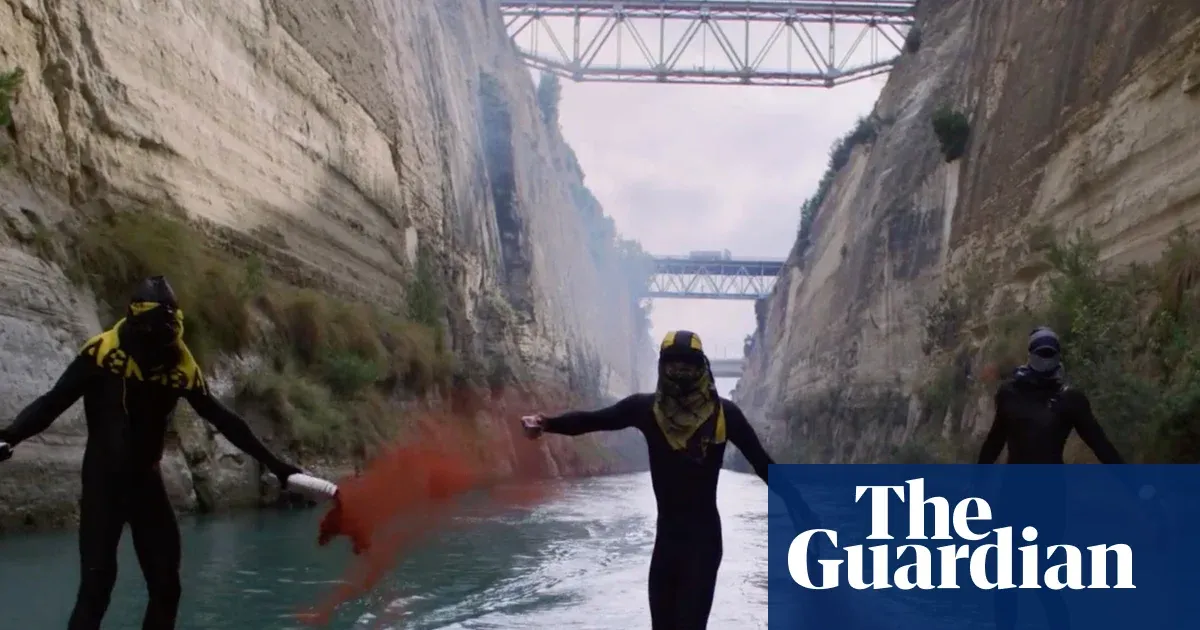
Romain Gavras, via his Gener8ion project, and musician Benoit Heitz (AKA Surkin) created “Visions of 2034,” including “God Hates Space.” The exhibition’s conspiracy-themed, blackly comic visuals spread widely despite being made more than six years ago in Ukraine.
A YouTube ban did not stop Romain Gavras' work. If anything, it helped make “Visions of 2034” feel like it was escaping containment, the viral loop amplifying the same dark questions the videos raise.
In “Visions of 2034,” a standout segment called “God Hates Space” imagines young people defecting to the woods in middle America over fringe beliefs, especially the idea that the Earth is hollow. It is black comedy wrapped around conspiracy theory culture, and the specifics are not subtle. The show lands in an era when twentysomethings are increasingly off-grid, adopting libertarian homesteader aesthetics, and when influencers use pop-culture moments to smuggle in supernatural claims. The source points to examples like popular influencers saying Kendrick Lamar sent “demons through the TV screen” during his Super Bowl half-time performance.
But here is the reason this viral arc matters to anyone thinking about regulation, media risk, or platform governance: the “future” shown in “God Hates Space” was not built yesterday for today’s news cycle. The piece, with its creepy-crazy imagery mixing fascism-adjacent aesthetics and crackpot conspiracy visuals, was made more than six years ago in Ukraine, before the war. That timing changes what viewers think they are seeing. It makes the exhibit feel less like a reaction and more like a prediction that has simply been “caught up” by reality, which is exactly how Surkin frames it.
Surkin describes the exhibit’s aesthetic as a combination of “confederate” and “Monster energy drink.” That blend is important because it signals how conspiracies often scale, not through careful ideology but through recognizable visual shortcuts. In other words, the show treats conspiracy culture like a style, not just a belief. Once a belief becomes a recognizable look, it travels faster. It becomes meme-ready. It becomes remixable. And it becomes harder for platforms to moderate using simple “is this misinformation” checklists, because the content is performing aesthetic, satire, and provocation at the same time.
Surkin also explains the release mechanics behind the moment. “We shoot these videos and sometimes it takes a while for them to get released,” he says. That matters for platform people because moderation systems often assume the timing of publishing and the timing of harm are the same. This is not how creative pipelines always work. A video can be created, sit, and then drop when the audience is primed by broader cultural conditions. That lag can turn a previously obscure reference into a headline trigger, which then collides with platform enforcement.
And when enforcement collides with viral culture, the likely outcome is escalation in attention, not necessarily reduction in spread. The source’s framing, that “We got banned from YouTube but they showed Saddam Hussein being hanged” (a line from the headline describing the wild viral visions described in the coverage), hints at how bans can redirect audiences to other views, screenshots, reuploads, or alternative platforms. Even without arguing intent, the second-order effect is clear: when content is restricted instead of replaced by context, the algorithm does not stop. It just changes routes. Moderation becomes less about the content disappearing and more about controlling the narrative around it.
There is another layer executives should notice: the show is not pretending to be mainstream entertainment. It is a new audio-visual exhibition from film-maker Romain Gavras and musician Benoit Heitz (AKA Surkin), built around dark predictions that already “have a habit of going viral.” That “habit” is not just luck. It suggests a pattern where audiences, especially younger ones, seek speculative worlds that mirror their anxieties. When those anxieties map onto conspiracy theory culture, the content becomes both entertainment and recruitment, at least emotionally. Even if viewers do not adopt the beliefs, they may start sharing the imagery as proof that “something bigger is coming,” which is how fringe narratives scale.
For decision-makers overseeing media strategy, platform partnerships, compliance teams, or risk controls, the lesson is uncomfortable but practical. YouTube bans and other content restrictions are rarely a clean stop. They can increase curiosity, drive reuploads, and keep the theme alive by spreading the controversy itself. Meanwhile, the creative pipeline can mean content arrives at the platform long after it was made, so current enforcement decisions may be responding to an older asset. In the background, the war in Ukraine is also changing how audiences interpret Eastern European production aesthetics, how quickly viewers read political symbolism, and how easily “prescient” can be mistaken for “prophetic.”
So the strategic stake here is not just about one exhibition going viral. It is about how regulatory framing, moderation behavior, and audience timing interact in conspiracy-adjacent creative work. If “the future is catching up with us” because release delays and cultural conditions align, then boards and executives should assume that viral moderation fights will continue, with or without bans. The question becomes less “will platforms remove this” and more “what will the audience do with the ban, the reuploads, and the context gaps afterward?”
This story's Key Insights and Take-aways are locked.
Create a free account to unlock Executive Actions for one credit.
Register to UnlockAlways free for Executives Club members. Join the Club
More in Entertainment

Entertainer Russell Brand denies 7 sex charges amid accuser's 'couldn't breathe' claim
The alleged victim's account sharpens the reputational and legal stakes for Brand, his platforms, and any business tied to a public figure under criminal scrutiny.

Russell Brand's accuser 'bewildered and confused' as he denies 7 sex charges
The criminal case against the comedian is a live test of how media companies manage talent risk when serious allegations go public.

'It's a Magic Trick': Ballet Experts Say Rosalía's SNL Pose Is Impossible
Three ballet experts tell Rolling Stone Rosalía's gravity-defying SNL stillness shouldn't be possible - and why the debate is now part of the show.