

Ruf debuts 4.8L flat-eight with 1,000 hp and 1,000 Nm at Goodwood
A new powerplant signals Ruf wants next-gen identity, not just Porsche upgrades, and regulators already treat it as its own maker.
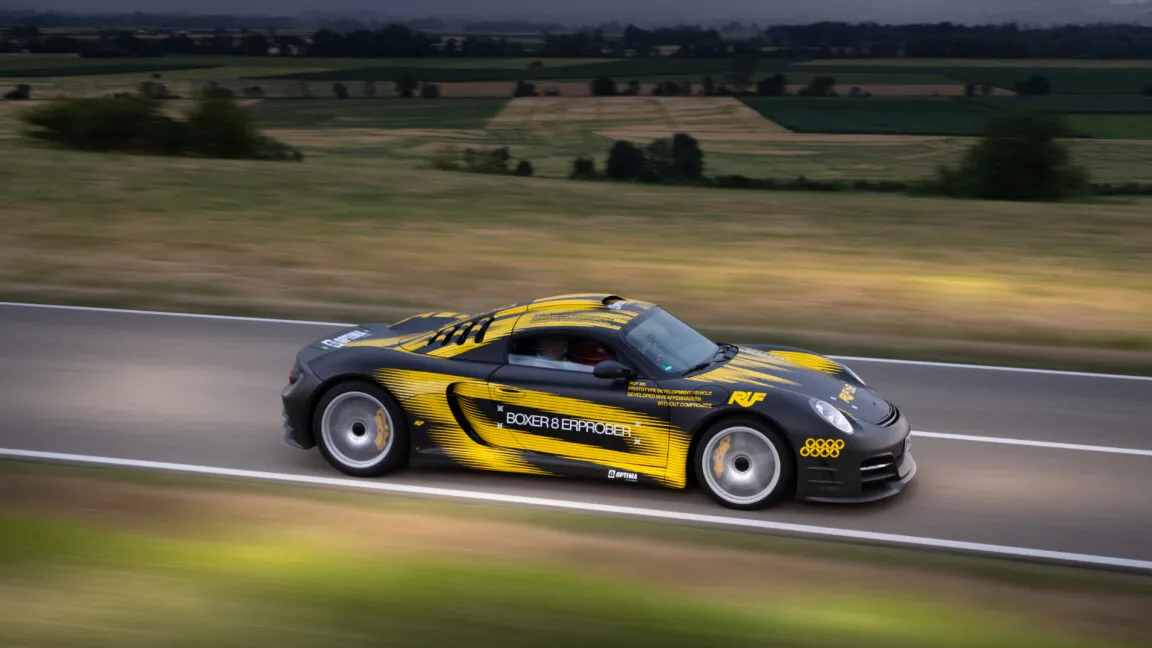
Ruf debuted a brand-new engine publicly for the first time at the Goodwood Festival of Speed in England: a 4.8 L eight-cylinder flat-eight. The company says it produces more than 1,000 hp and 1,000 Nm, reinforcing its long-running push to be recognized as a distinct manufacturer.
Ruf lit up a brand-new engine for the first time in public at the Goodwood Festival of Speed in England. This is not a tweaked Porsche accessory or a modest step up the tuning ladder. It is a purpose-built 4.8 L eight-cylinder flat-eight, which Ruf says generates more than 1,000 hp and 1,000 Nm. That number matters because it is the kind of performance spec that instantly changes how peers, regulators, and partners think about you: you are not just refining an existing recipe, you are cooking your own.
The stakes are bigger than the fireworks. Ruf has been treated as a distinct manufacturer by German authorities for some time, not merely a tuner. Back in 1983, its BTR was the first Ruf vehicle to carry a Ruf vehicle identification number rather than the one Porsche originally stamped on the chassis. In 2007, Ruf revealed the CTR3, and even though the Porsche DNA was clear, the CTR3 was mid-engined instead of rear-engined like the classic 911. Add the engine debut today and you get a consistent pattern: Ruf steadily builds components and architecture that justify manufacturer status, not just branding.
For executives, the interesting part is how engineering decisions and regulatory framing reinforce each other. When regulators consider a company a distinct manufacturer, the commercial and operational expectations shift. You are not only selling outcomes. You are effectively proving control over the product. That is why Ruf’s history reads like a sequence of “permission slips” from the real world: VIN recognition in 1983, a distinctive CTR3 layout in 2007, and more recent chassis and structures that move beyond “tuner with a catalog.” Those choices reduce the ambiguity that can haunt companies trying to live in two worlds at once, part automotive maker and part aftermarket specialist.
Ruf’s earlier cars also show how it uses differentiation that still respects the brand’s roots. The CTR3 kept Porsche DNA, but it challenged the 911 formula by being mid-engined and featuring a frame chassis developed by Ruf together with Multimatic. That matters because it shows Ruf does not treat differentiation as a random departure. It partners when it needs to, builds when it must, and chooses architectures that match the performance goal. Today’s engine debut at Goodwood follows the same logic, but the context has evolved.
The company has recently been building its own all-carbon monocoque chassis for cars like the SCR and Rodeo, which otherwise look like 964-era Porsche 911s. That “look like” versus “engineered like” split is crucial. Ruf uses Porsche styling cues to keep familiar visual DNA, while the underlying construction and, now, the next generation powerplant can diverge. Those SCR and Rodeo cars still use horizontally opposed six-cylinder engines, but the source makes the intent plain: for its next generation of cars, Ruf wanted something a little different. The new flat-eight is that difference, and the performance headline is its loudest justification.
This is where second-order implications kick in for boards and investors watching the automotive ecosystem. An engine like this is not just a spec sheet item. It affects supply chain planning, development timelines, validation workload, and the way you structure partnerships for future platforms. If a company is already being treated as its own manufacturer, it also has to think like one in terms of long-term product credibility. A one-off engine demo is nice. A repeatable next-generation direction is what changes capital allocation and partner confidence.
Goodwood is a great stage for signaling, but it is also a reality check. Enthusiast events attract attention from people who care about the details, and performance numbers get scrutinized fast. Ruf chose to publicly fire up the new engine and attach it to a clear output claim: more than 1,000 hp and 1,000 Nm from a 4.8 L eight-cylinder. That is a statement that will ripple outward. For other boutique automakers and high-end builders, it raises the bar on how they position their own evolution from tuner roots to manufacturer identity, and it makes “next-gen” upgrades harder to dodge with purely incremental changes.
Net-net: Ruf’s Goodwood debut is a performance story, but it is also a manufacturing identity story. The company has already been recognized by German authorities as a distinct manufacturer since at least 1983, and it has been backing that status with distinctive vehicle engineering, VIN changes, chassis development, and now a new flat-eight powerplant for what it calls its next generation of cars. If you run a company in a space where regulators, partners, and customers decide whether you are a brand or a builder, that is the kind of consistency that earns trust.
This story's Key Insights and Take-aways are locked.
Create a free account to unlock Executive Actions for one credit.
Register to UnlockAlways free for Executives Club members. Join the Club
More in Entertainment

12TB Steam 'teraleak' goes beyond Valve: GTA 3, Mafia 2 prototypes exposed
A 12-terabyte dump of Steam data reveals prototypes and builds of third-party classics like GTA 3 and Mafia 2, plus unreleased Valve content, rewriting game history.

LinkedIn's romance problem: 1 in 4 workers say dating on it is fair game
A new survey shows a quarter of U.S. employees treat the professional network as fair game for romance, even as LinkedIn bans it and removes hundreds of thousands of offending posts.
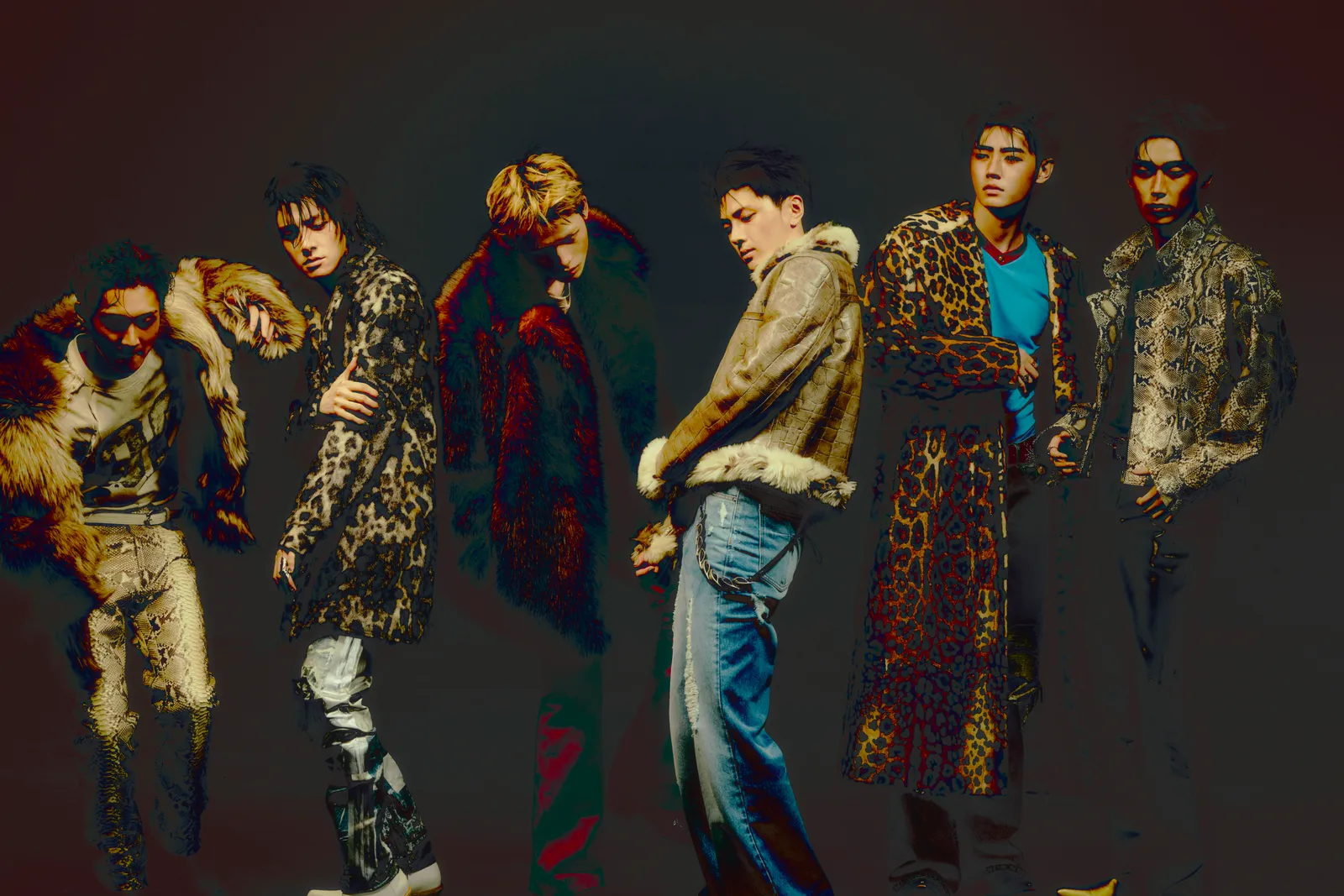
Enhypen's first No. 1 album breaks K-pop's Billboard 200 streak
The K-pop group's 98,000-unit debut tops the chart while Dolly Parton's catalog reentry shows how death reshapes streaming.