

Russia’s Africa Corps deploys Ukraine-style drones in Mali, pushing into a Sahel they weren’t built for
For boards and risk teams: a new drone pipeline tied to Russian support for Mali is moving from Ukraine frontlines into the Sahel.
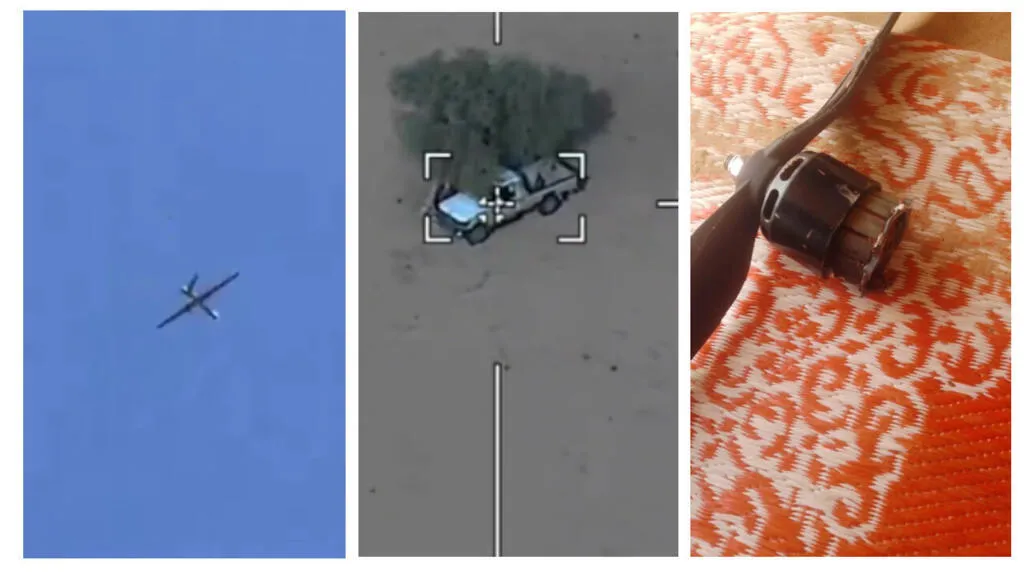
France 24 reports that Russian mercenaries from the Africa Corps, which has replaced Wagner Group in supporting the Malian army, are deploying new combat drones in Mali. These drones, commonly seen in Ukraine, are now entering the Sahel region despite being designed for different operating conditions.
Russia’s Africa Corps is moving the drone playbook it is known for in Ukraine into Mali, and France 24’s reporting suggests the shift is not just geographic. It is operational. The article says Russian mercenaries from the Africa Corps, which has replaced the Wagner Group in providing support to the Malian army, are deploying new combat drones in Mali. These same drones are frequently found on frontlines in Ukraine, where they have become a recognizable part of the fight. Now they are entering the Sahel region, an environment for which, according to the report, they were not designed.
That “not designed for” phrase matters. The Sahel is not a copy-paste of Ukraine. Even without getting lost in technical details, the key point for decision-makers is this: when equipment and tactics travel from one battlefield to another, performance, reliability, and mission outcomes can change in ways that affect real-world risk. If drones calibrated for one kind of terrain, weather, and conflict pattern are used elsewhere, you can expect new failure modes, new targeting patterns, and potentially new escalation dynamics. France 24’s report frames the shift as unprecedented images showing how Russia is using drones from the war in Ukraine in Africa. The immediate takeaway is that the technology and the people behind it are now being exported in a more direct, repeatable way.
Zoom out one step and the “Africa Corps replacing Wagner” detail becomes the real governance story. Wagner was the most widely known private military contractor brand associated with Russian support in various African contexts, and its replacement signals continuity in capability with a different organizational face. France 24 specifically links Africa Corps to providing support to the Malian army, which means the drone deployments are not happening in a vacuum. They sit inside a structure where external backing can influence what equipment gets used, how quickly it gets adopted, and how tactics evolve on the ground. For executives overseeing sanctions exposure, geopolitical risk, or supply chain compliance, this kind of actor transition often matters as much as the headline hardware.
There is also a regulatory and procurement angle. Drones are dual-use technology. In practice, that means they sit in a gray zone where legal definitions, export controls, and enforcement vary by country and jurisdiction. When combat drones migrate from one active war zone to another region, it often raises questions for regulators about sourcing, intermediaries, and end use. Even where direct procurement is difficult to trace, the movement of “frontline” technology suggests an established pathway. That is the second-order effect many boards underestimate: not just the immediate battlefield impact, but the likelihood that existing networks for acquiring, modifying, or deploying systems will be reused.
From a risk standpoint, the Sahel deployment could create ripples that travel faster than the drones themselves. Drones tend to compress timelines. They can shift surveillance, change the pace of operations, and increase pressure on decision-makers trying to anticipate targets and patterns of attack. When a new drone capability appears, local security forces and their backers typically have to adapt rapidly, which can mean hurried procurement, rushed training, and a higher chance of misallocation. For international organizations and investors evaluating sovereign partners or regional programs, that operational churn can spill into broader stability risks. Even if France 24 does not provide additional numbers beyond identifying the actor and the setting, the strategic logic is straightforward: technology transfers in active conflict zones often scale.
For companies outside the direct defense space, the second-order implications can show up in compliance and contracting. If Russian mercenary structures are capable of fielding Ukraine-derived drones in Mali, that suggests a level of operational maturity and persistence. That tends to increase the probability that affected regions become higher surveillance, higher conflict, and higher scrutiny environments. Boards looking at insurance, logistics, local partners, or anything tied to regional stability should treat these developments as upstream signals. The question is not only who is using drones, but whether the capability is becoming routinized as part of ongoing support to the Malian army.
Finally, the “unprecedented images” framing matters because it indicates visibility. What is publicly documented tends to shape how other actors react, including adversaries, partners, and regulators. The report’s core claim is that drones frequently seen on Ukraine frontlines are now entering the Sahel, where they were not designed to operate. That combination, frontline origin plus mismatched operating environment, is exactly where surprises happen. And in security and geopolitical risk, surprises are expensive. Executives in similar roles should read this as a signal that drone capability transfer is no longer a theoretical future. It is being applied on the ground, with Africa Corps acting as the bridge, and Mali as the staging point.
This story's Key Insights and Take-aways are locked.
Create a free account to unlock Executive Actions for one credit.
Register to UnlockAlways free for Executives Club members. Join the Club
More in Politics
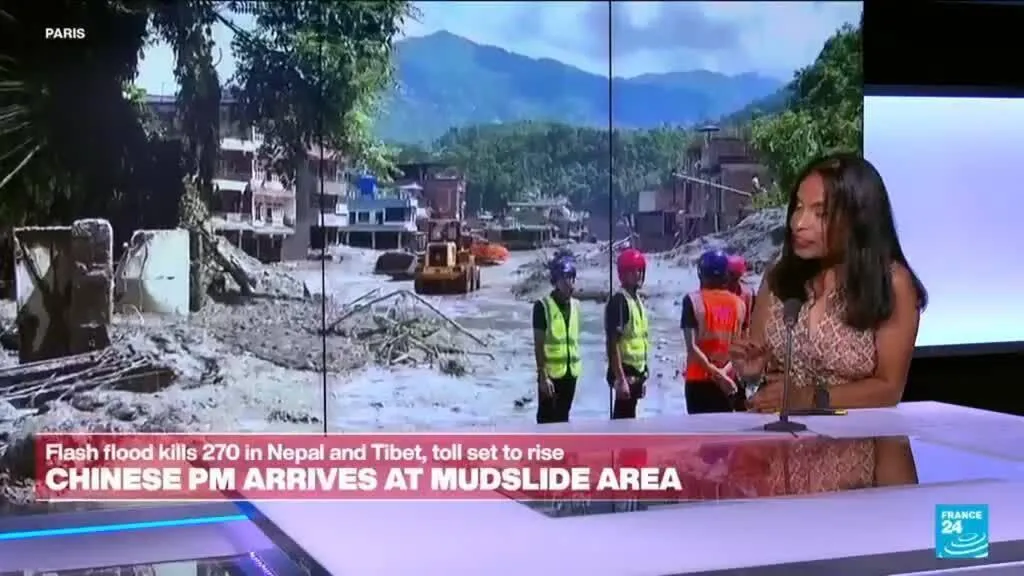
Glacial collapse, not rain, killed 180 in Nepal's Himalayan flood
The Himalaya's extreme geography hid the true cause of Nepal's catastrophic flood, a glacial collapse that turned a geological battleground into a mass-casualty zone.
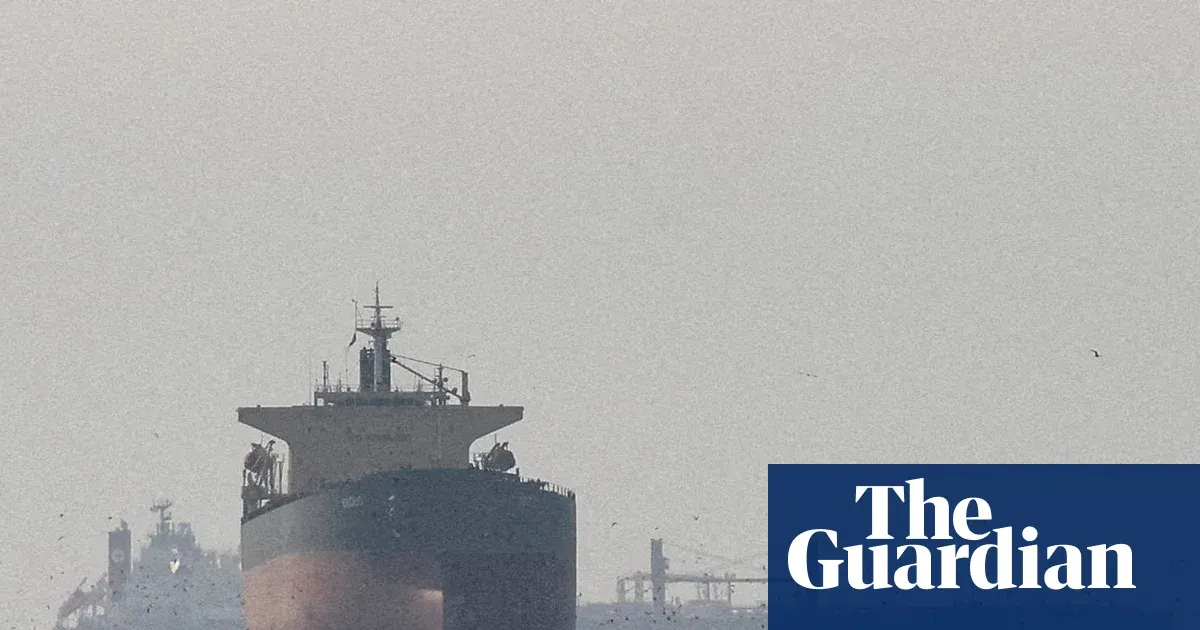
Iran’s Esmail Baghaei says Oman talks start shipping via Hormuz, not US talks yet
Temporary route plans with Oman aim to restart commerce while Tehran says Washington dialogue is not on the table.
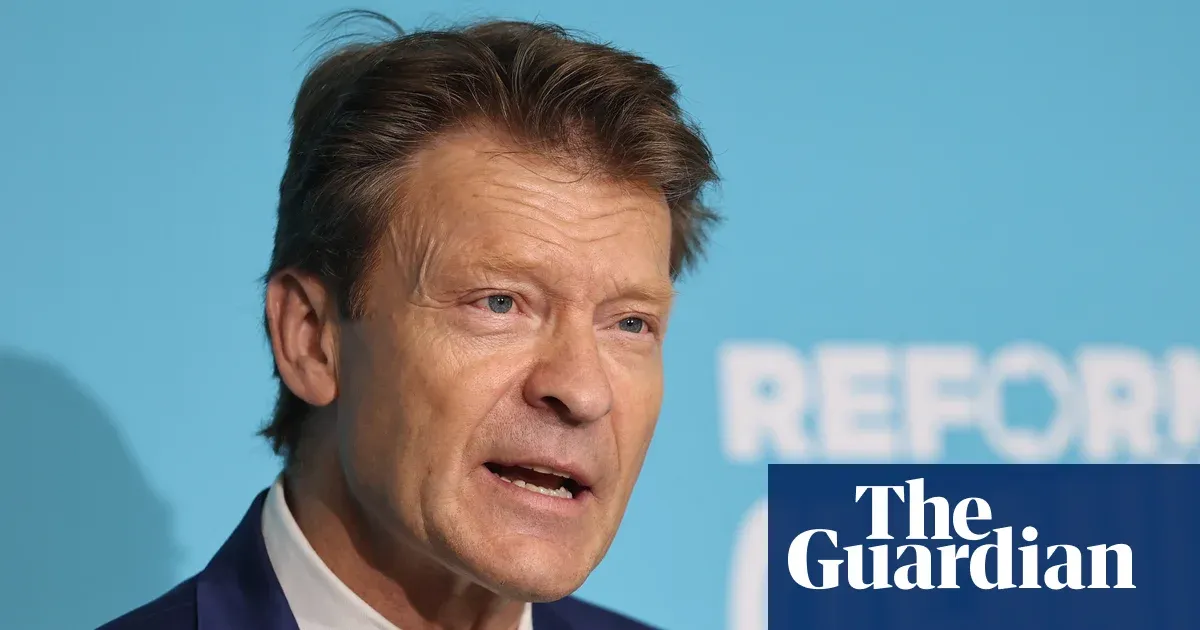
Standards watchdog opens probe into Reform UK deputy leader Richard Tice over interests
The parliamentary standards commissioner says it began an investigation on 28 July into a possible undeclared interest.