
Rust is giving players a new face after nearly 10 years
Facepunch’s first full player-model overhaul in almost a decade could unblock bigger character upgrades and a future customizer.
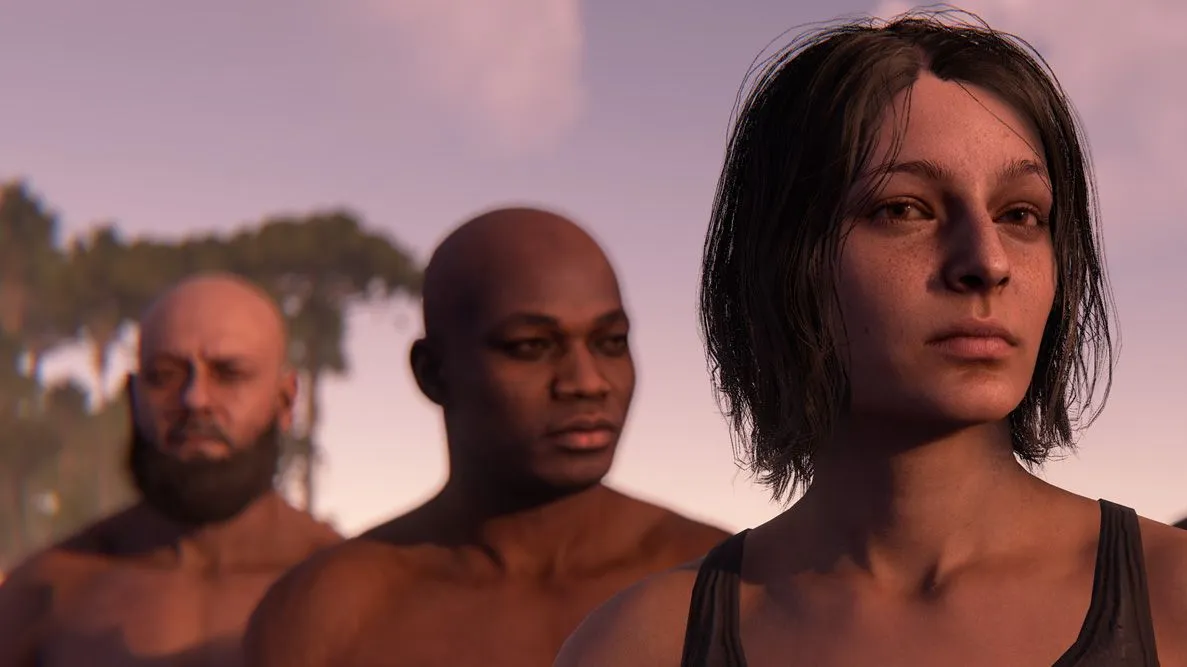
Facepunch Studios says Rust’s player model has been overhauled from the ground up, replacing the decade-old character system with improved meshes, materials, proportions, hair, heads, and clothing support. The update matters because it fixes aging assets now and clears the runway for future character improvements, including a possible player customizer by the end of the year.
Rust players are about to log in and meet a different version of themselves. Facepunch Studios said today that it has "overhauled the player model from the ground up," and the update is not cosmetic in the casual sense. It includes improved meshes and materials, more realistic proportions on a new rig, expanded head and hair seeds, and a much needed pass over almost everything player-related. The big picture: after almost 10 years, the old model is finally getting the full rebuild it had long been dodging.
That matters because Rust has spent years updating almost everything around the player while leaving the player itself behind. Facepunch said the old player model "has served us well for almost 10 years, but it’s lagged behind the rest of the game for some time." In plain English, the game kept evolving, but the avatars did not. Visually, that made the characters look dated. Strategically, it also boxed the studio in, because the old model was "holding us back from making bigger improvements to characters, animations and implementing future features." For a live game, that is the sort of technical debt that quietly compounds until it starts limiting what ships next.
The update keeps one of Rust’s most infamous quirks intact, though. Your face will change, but race and gender seeds have been kept intact, so if you have spent years attached to your random roll, you are not losing the whole identity package. Rust has always been unusual in that you do not customize your character at all. Your look is generated by a random seed, and you get what you get, from face to race to gender to the size of your dong or boobs. Facepunch says the new system preserves those seeds, which should soften the shock for longtime players while still making the visual upgrade obvious. In other words, this is a refresh, not a total rewrite of Rust’s weird little social contract.
There is also a possible next step, and this is where the update starts to look bigger than a simple art pass. Facepunch said, "End of the year, we hope to have implemented a player customizer. How exactly this will work is still being discussed internally, but we'll share details in future blogs." That is not a promised feature with a hard delivery date, but it does signal direction. Once a studio has rebuilt the underlying model, it can start debating what kind of player identity controls it wants to expose. For a game built on emergent personality and brutal survival, even a vague customizer roadmap is meaningful because it could reshape how new and returning players present themselves in the world.
The rest of the update shows how broad the overhaul really is. Facepunch said it expanded the number of heads in the game, and each head now has unique materials plus extra details like eyelashes and improved eye lighting. Hairstyles and beards were reworked and expanded too, using new anisotropic shaders to make hair feel more natural. All clothing was updated to work with the new rig and proportions, which gives older assets a much-needed refresh and fixes some long-standing issues. The studio also modernised the art pipeline behind the player model, which should make future fixes and improvements easier to ship. That last piece is easy to overlook, but it is often where the strategic value lives. Better tools mean faster iteration, fewer awkward workarounds, and less time spent patching an aging system one asset at a time.
For executives and operators watching the live-service game market, this is a clean example of a product team paying down internal constraints before they become a bigger drag. Rust still gets new features just about every month, but the player model had not had serious attention in years. Facepunch is essentially resetting the foundation so the next round of character work does not have to fight the old one. The immediate result is a visual change players will notice on login. The deeper result is that the studio has made room for future animation upgrades, character improvements, and maybe a customizer if internal discussions land in the right place. For peers running games, platforms, or any long-lived software product, the message is simple: eventually, the thing everyone sees has to catch up with the thing everything else depends on.
This story's Key Insights and Take-aways are locked.
Create a free account to unlock Executive Actions for one credit.
Register to UnlockAlways free for Executives Club members. Join the Club
More in Entertainment

Christopher Nolan’s “The Odyssey” posts his biggest Tuesday haul, surpassing “The Dark Knight’s” record
The film’s Tuesday breakout reframes Nolan’s box-office ceiling and forces competitors to rethink timing, budgets, and release strategy.

Kacey Musgraves cancels Aug. 20, 29, Sept. 2 Middle of Nowhere shows
Ticketmaster emails are telling fans refunds are coming, while the tour still starts Aug. 21 in Chicago.

Billie Joe Armstrong launches Epiphone Les Paul Junior and Marshall 1959BJA signature gear
Two limited releases turn decades of Green Day’s tone into branded hardware, including Marshall’s first artist amp in 14 years.