
Ryan Reynolds confirms Deadpool 4 is coming, then name-drops comic deep cuts at Fanatics Fest
Marvel execs and partners get the reality check: another Deadpool is on the schedule, but first comes MCU cleanup.
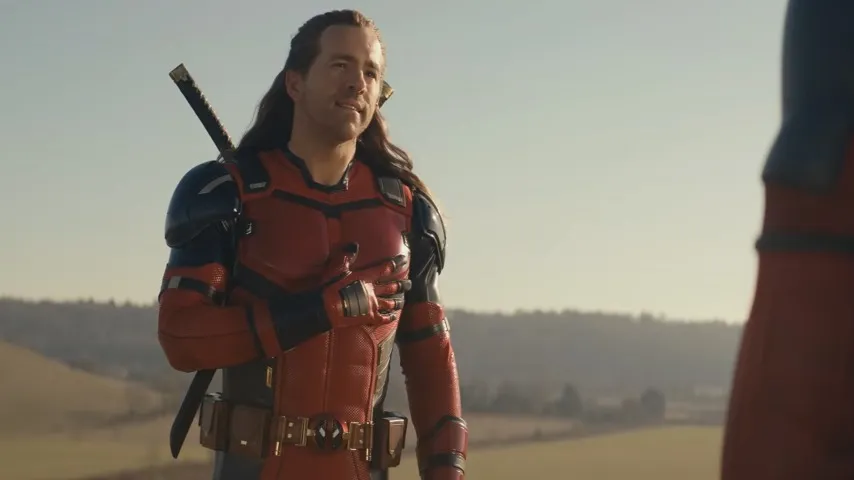
Ryan Reynolds, speaking at Fanatics Fest, confirmed that a Deadpool 4 movie is eventually on the way and highlighted comic “deep cuts” missing from past films. For decision-makers, the implication is clear: the MCU’s next Avengers cycles may need to be navigated before Deadpool’s franchise-level disruption can land.
Ryan Reynolds walked onto the Fanatics Fest stage and basically told the internet to keep its calendars open. Speaking at the sports-and-pop-culture mecca where fans “can truly be themselves,” the Blake Lively’s husband confirmed that “there’s eventually, you know, remotely another Deadpool film. It’s going to be great.” It was not a tease in the abstract. He framed the next Deadpool as real, on the way, and shaped by the comic material fans expect, including “deep cuts” that he says have not shown up in the movies.
What Reynolds did next matters almost as much as the confirmation. He dropped names including Deadpool co-creator Fabian Nicieza and Gerry Duggan while talking about the kind of source material that might arrive in the next installment. Reynolds also referenced the franchise’s tendency to work as a fan reward system, the jokes and references that only land fully if you have read the comics and some of the internet history around them. In other words, Deadpool 4 is not just “another sequel.” It is a planned franchise move that leans into comic credibility as part of its commercial engine.
For operators and board members watching Marvel’s bigger machine, the timing is the real puzzle. The A.V. Club’s framing is that Deadpool 4 probably requires getting through the next two Avengers cycles. That is a housecleaning issue: the MCU needs to stabilize its “mainline” continuity before a meta, fourth-wall heavy property like Deadpool can be brought in to “shit all over it,” in the source’s blunt phrasing. Reynolds did not promise a date, but he did confirm trajectory, and that helps studios, partners, and marketers plan around risk. In franchise land, the question is not whether audiences will show up. It is whether the cinematic universe can absorb the tonal jolt without breaking the momentum of everything else.
The source also anchors why Deadpool is such a big deal internally. The last Deadpool movie, Deadpool & Wolverine, was described as one of the few unqualified successes of the last few MCU phases. It earned over $1.3 billion worldwide, and it is called the highest-grossing R-rated movie ever to feature jokes specifically for people who read Ain't It Cool News in 2007. That is an oddly precise way of pointing at the strategy: Deadpool’s R-rating is not only about edge. It is about being a delivery system for a particular brand of audience intimacy, the kind that rewards deep familiarity and online culture literacy.
This matters for anyone thinking about studio portfolios and future slate planning. When a franchise like Deadpool performs at that scale, executives do not just celebrate. They operationalize the blueprint: the right tone, the right reference density, the right level of chaos. But you cannot do that in a vacuum. The MCU is a shared universe with serialized momentum, and “housecleaning” is not a metaphor. It is the practical need to align narratives across films, keep continuity intact, and avoid confusing viewers who are showing up for the Avengers arc rather than the Deadpool arc.
The A.V. Club notes that Reynolds has been teasing the Merc with a Mouth as one of the 400 cameos in the film, but he has not confirmed his participation. That detail is a micro example of how these properties work now: marketing language and fan discourse are part of the information environment, even when official casting confirmations lag. For decision-makers, that creates second-order pressure. If speculation is already circulating, the eventual confirmation can become a schedule and expectation reset. If you delay too long, you risk turning a rollout into a distraction. If you confirm too early, you risk locking in timing before the broader universe is ready.
And the source ends with a practical, almost comical check on what Reynolds might bring if he is involved. Believe the premise that the jokes are not generic. The example offered is that if he is in the movie, he will be the one pointing out that Dr. Doom and Tony Stark have the same Black Sabbath t-shirt. That sort of reference is exactly why the “deep cuts” framing matters. The franchise sells specificity, not just irreverence. It implies that Deadpool 4 will treat comic lineage and pop culture breadcrumbs as a feature, not a byproduct.
So the stake for peers in similar roles, whether you are in studio strategy, distribution, marketing, or investor relations, is straightforward. Reynolds has confirmed that another Deadpool movie is on the way and that it will draw on comic material, including deep cuts tied to named creators. But the path runs through the MCU’s next two Avengers cycles, meaning the slate coordination risk is real. The winners will be teams that can protect continuity, manage fan expectations, and still deliver the high-reward, R-rated specificity that made Deadpool & Wolverine a $1.3 billion moment. Deadpool can punch through the tone wall, but the universe has to be ready for it first.
This story's Key Insights and Take-aways are locked.
Create a free account to unlock Executive Actions for one credit.
Register to UnlockAlways free for Executives Club members. Join the Club
More in Entertainment
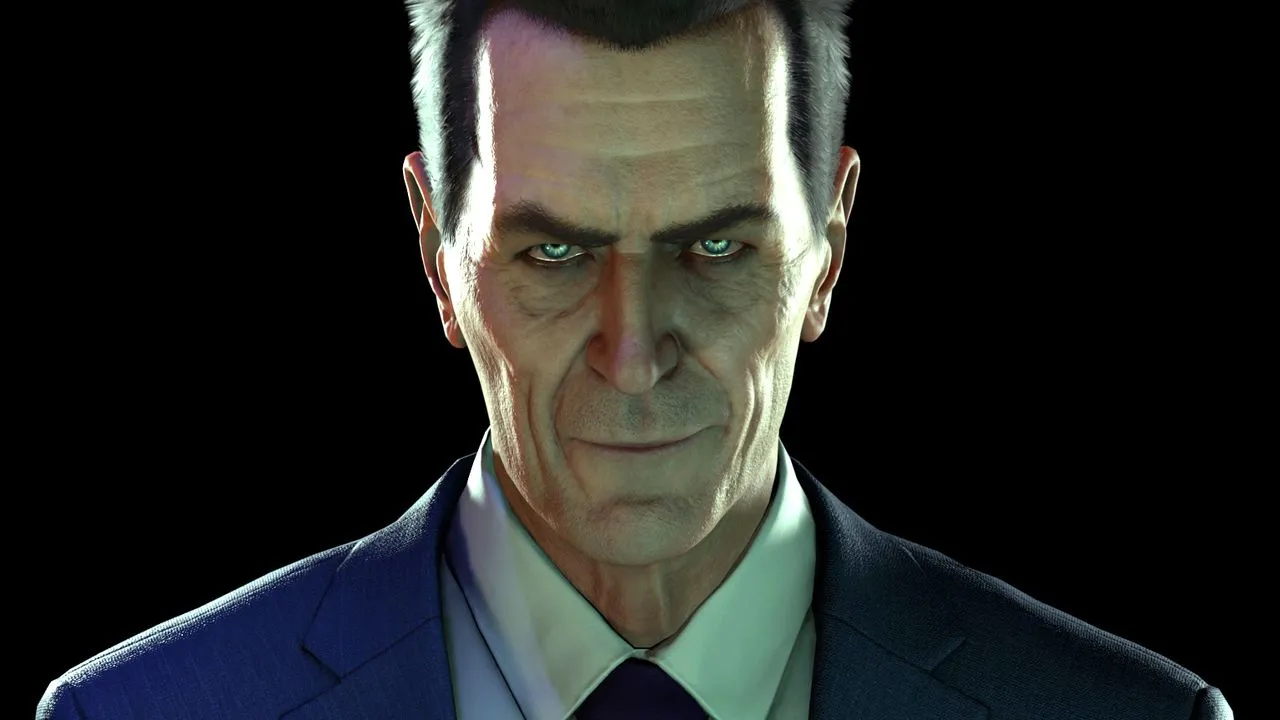
12TB Steam 'teraleak' goes beyond Valve: GTA 3, Mafia 2 prototypes exposed
A 12-terabyte dump of Steam data reveals prototypes and builds of third-party classics like GTA 3 and Mafia 2, plus unreleased Valve content, rewriting game history.

LinkedIn's romance problem: 1 in 4 workers say dating on it is fair game
A new survey shows a quarter of U.S. employees treat the professional network as fair game for romance, even as LinkedIn bans it and removes hundreds of thousands of offending posts.

Enhypen's first No. 1 album breaks K-pop's Billboard 200 streak
The K-pop group's 98,000-unit debut tops the chart while Dolly Parton's catalog reentry shows how death reshapes streaming.