
Ryanair profits fall as Brent tops $90 and Iran-war uncertainty delays travelers
Ryanair blames higher fuel costs and postponed passenger plans as oil prices climb above $90.

Ryanair reported that profits dropped, citing higher oil and fuel costs alongside delays in passengers caused by the Iran-war situation. For decision-makers, the implication is clear: route demand swings and input-cost spikes can hit margins fast, even in lean, high-volume models.
Ryanair’s profits fell after the Iran-war environment pushed costs higher and put passenger plans on hold. The airline pointed directly to the fuel math: oil prices increased costs, while Brent crude moved above $90.
That combination matters because it hits two levers at once. Higher Brent means the cost of powering each flight rises, and if travelers postpone trips because of geopolitical uncertainty, load factors and ticket revenue can soften at exactly the wrong time. Ryanair is designed to compete on efficiency and scale, but it still has to buy fuel in the real world, not in the spreadsheet fantasy.
To understand the pressure, it helps to translate Brent into airline operations. Brent crude is a global benchmark for oil. When it breaks higher, refiners and fuel suppliers adjust pricing quickly, and airlines absorb those changes either through the day-to-day spot market or through hedging programs. Even if hedges exist, many airlines still see some lag between crude moves and realized fuel expenses. Ryanair’s statement in the BBC report is straightforward, but the underlying mechanism is brutally consistent: crude up, fuel up, margins down.
The other half of the equation is demand timing. The BBC coverage connects the Iran-war situation to postponed passengers. In practical terms, geopolitical risk often changes travel behavior through a mix of fear, uncertainty, and logistics. People delay bookings. Companies postpone discretionary trips. Some travelers switch to routes perceived as lower risk or shorten trip durations. For airlines, that tends to show up not only in bookings volume but also in the mix of fares. Lower demand usually means more seats unsold at the margin, and that can force pricing down to fill capacity.
So when Ryanair reports both “oil prices increased costs” and that the Iran-war situation delayed passengers, it is essentially describing a double squeeze: cost inflation plus revenue softness. That is a classic stress test for any airline, but it is especially noticeable for low-cost carriers that rely on high aircraft utilization and predictable demand cycles. They can handle slower growth better than slower capacity turnover, because fixed costs still show up every day the plane is parked or flying half full.
Regulatory and policy dynamics are part of the background, even when they are not the headline. Airlines operate in a world where safety rules, route permissions, and sanctions can change with political headlines. While the BBC report does not cite specific regulations or sanctions, the broader reality is that geopolitical crises can ripple into airspace decisions, insurance conditions, and consumer confidence. Those ripple effects tend to be uneven: some markets dry up suddenly, others hold up. That unevenness makes forecasting harder for CFOs and board members, because you have cost drivers you can estimate imperfectly and demand drivers you can only observe after passengers vote with their wallets.
For decision-makers, the second-order takeaway is how quickly a market narrative can become a financial outcome. Brent surpassing $90 is not just a trivia point for commodity traders. It signals a level of energy-price pressure that can cascade through airline P&Ls across the industry. If the airline sector is already operating with thin cushions, even modest demand pauses combined with a meaningful fuel jump can overwhelm the usual levers like fare adjustments and schedule tweaks.
Peers should treat Ryanair’s disclosure as a warning label, not a one-off. When fuel benchmarks rise and geopolitical uncertainty slows passenger movement, the airline that best survives is usually the one with the strongest cost discipline and the clearest view of demand elasticity by route and time window. Boards and finance teams need to ask whether their hedging coverage and pricing guidance can absorb a move like Brent passing $90, and whether their scenario planning assumes “average” passenger behavior when risk is anything but average.
This story's Key Insights and Take-aways are locked.
Create a free account to unlock Executive Actions for one credit.
Register to UnlockAlways free for Executives Club members. Join the Club
More in Business

Uber buys Delivery Hero for nearly $15B, vaulting to top food delivery outside China
The deal doubles Uber's dual-services footprint and pushes a ride-and-eats bundling play into 50 more markets.

Epic and Google drop settlement bid, forcing rival Android app stores by July 22
Google told the court it is ready to carry third-party app stores starting Wednesday, July 22.
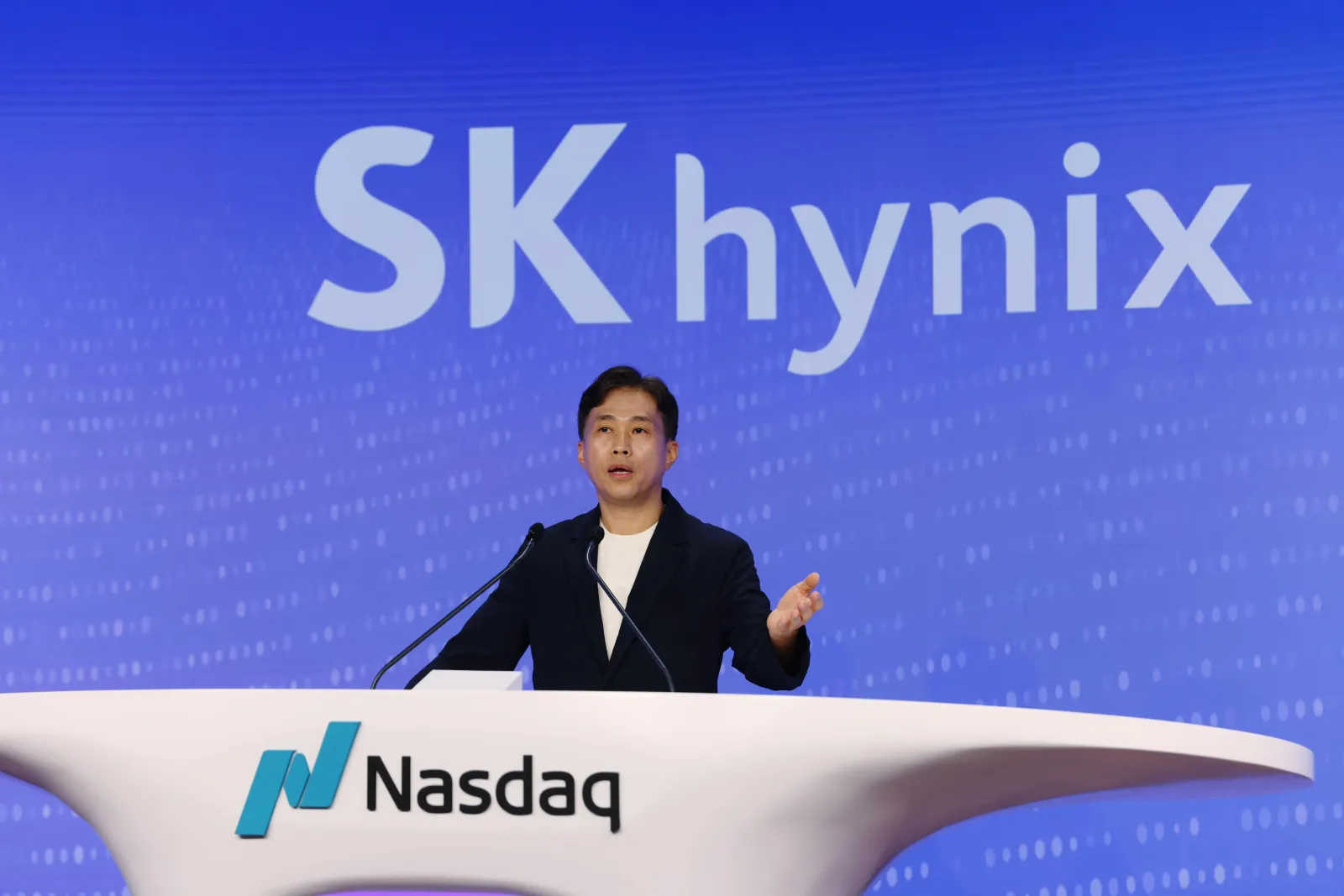
SK Hynix opens at $170, raises $26.5B, and tops foreign IPO records
In Friday's Wall Street debut, SK Hynix turns AI RAM demand into a $26.5B fundraising moment that rewrites comps.