

Ryanair reassures travelers after Ljubisa Karović nearly sucked from mid-flight window
A passenger’s engine failure ordeal collides with Ryanair’s profit slump, and the airline is trying to reset trust fast.

Ryanair says it is in touch with the family of Ljubisa Karović after he was nearly sucked out of a window mid-flight following an engine failure. The company also reports strong summer bookings after profits slump, a signal to decision-makers that demand is holding even as reputational scrutiny intensifies.
Ryanair has moved to reassure travellers that its planes are safe after Ljubisa Karović was nearly sucked out of an aircraft window mid-flight. The airline says it has been in touch with his family, after the incident unfolded when an engine failure resulted in parts smashing an acrylic window during a flight from Thessaloniki in Greece to Memmingen near Munich in Germany.
Karović, this month, was sucked out headfirst. The facts are jarring by design: an aircraft component failure led to damage to an acrylic window, and a passenger ended up at the worst possible spot, then needed saving. Ryanair is responding in the plainest way it can, with safety reassurance and direct outreach, because for airlines, the product is not just transportation. It is trust, and once the story becomes visual, the “brand protection” work starts immediately.
This is happening at the same time as a financial narrative that the airline does not get to ignore. The reporting notes “strong summer bookings” after “profits slump,” which tells you what management is trying to manage internally: sentiment risk on one side, and revenue momentum on the other. In practice, these forces can collide. Even when bookings hold, a safety scare can raise costs via refunds, compensation processes, insurance questions, and the administrative grind of investigations and regulator engagement. And on the commercial side, strong bookings can also be fragile if consumer confidence dips. People buy tickets quickly, but they also remember stories that go viral.
To understand why Ryanair is leaning into reassurance now, it helps to remember what “plane safety” actually means in airline operations. Failures, even rare ones, can happen. What matters is how the system behaves: the likelihood of catastrophic outcomes, the integrity of windows and other components, and the effectiveness of emergency response. The source describes an engine failure and acrylic window damage that allowed Karović to be pulled toward the opening headfirst. That detail matters for engineering and for regulators, because it frames where the chain of events broke down, not just the headline drama.
Regulatory scrutiny is a natural next step in incidents like this, even if the details are still emerging. Airlines operate under intense oversight around maintenance, safety reporting, and incident investigation protocols. After an engine failure and structural/window impact, authorities typically look for contributing factors such as maintenance history, inspection outcomes, component design, and how quickly abnormal conditions are detected and managed. Ryanair’s “in touch with his family” move is human, but the company’s broader posture is also about keeping the safety conversation in the right lane. Safety incidents can quickly become a battleground for narratives, and airlines are built to defend both their technical processes and their public messaging.
There is also a corporate incentive angle here that decision-makers should notice. Ryanair competes aggressively on price and operational efficiency. That model tends to intensify pressure for fast turnaround and high aircraft utilization, which can sometimes make “operational reliability” the center of any safety discussion, fair or not. When profits slump, management is under even more pressure to defend the business while maintaining public confidence. So strong summer bookings after a profit decline is not just a marketing talking point. It is a way to tell investors and boards, “Demand is still there, and we can absorb reputational shocks.”
Still, the second-order implication is how these events can change behavior beyond the immediate booking calendar. News of a passenger nearly sucked out of a window can lead to more cautious passengers, more scrutiny from travel partners, and more questioning from media and regulators. That can translate into higher expectations for transparency, more frequent operational updates, and potentially more conservative risk management across the network. Even if the company maintains that its planes are safe, the public proof is not a slogan. It is incident handling, investigation cooperation, and the ability to prevent recurrence.
For peers, executives, and boards, the strategic stakes are clear. The airline is trying to restore confidence while reporting strong summer bookings, but the story’s emotional gravity does not fade because the quarter ends. How Ryanair sustains trust through the investigation process, communicates with affected families, and ties that to continuing demand will be the real test. In a world where aviation scares travel faster than flights, the boardroom question is simple: can you keep the machine running without letting one terrifying moment redefine how people see your risk?
This story's Key Insights and Take-aways are locked.
Create a free account to unlock Executive Actions for one credit.
Register to UnlockAlways free for Executives Club members. Join the Club
More in Business

Uber buys Delivery Hero for nearly $15B, vaulting to top food delivery outside China
The deal doubles Uber's dual-services footprint and pushes a ride-and-eats bundling play into 50 more markets.

Epic and Google drop settlement bid, forcing rival Android app stores by July 22
Google told the court it is ready to carry third-party app stores starting Wednesday, July 22.
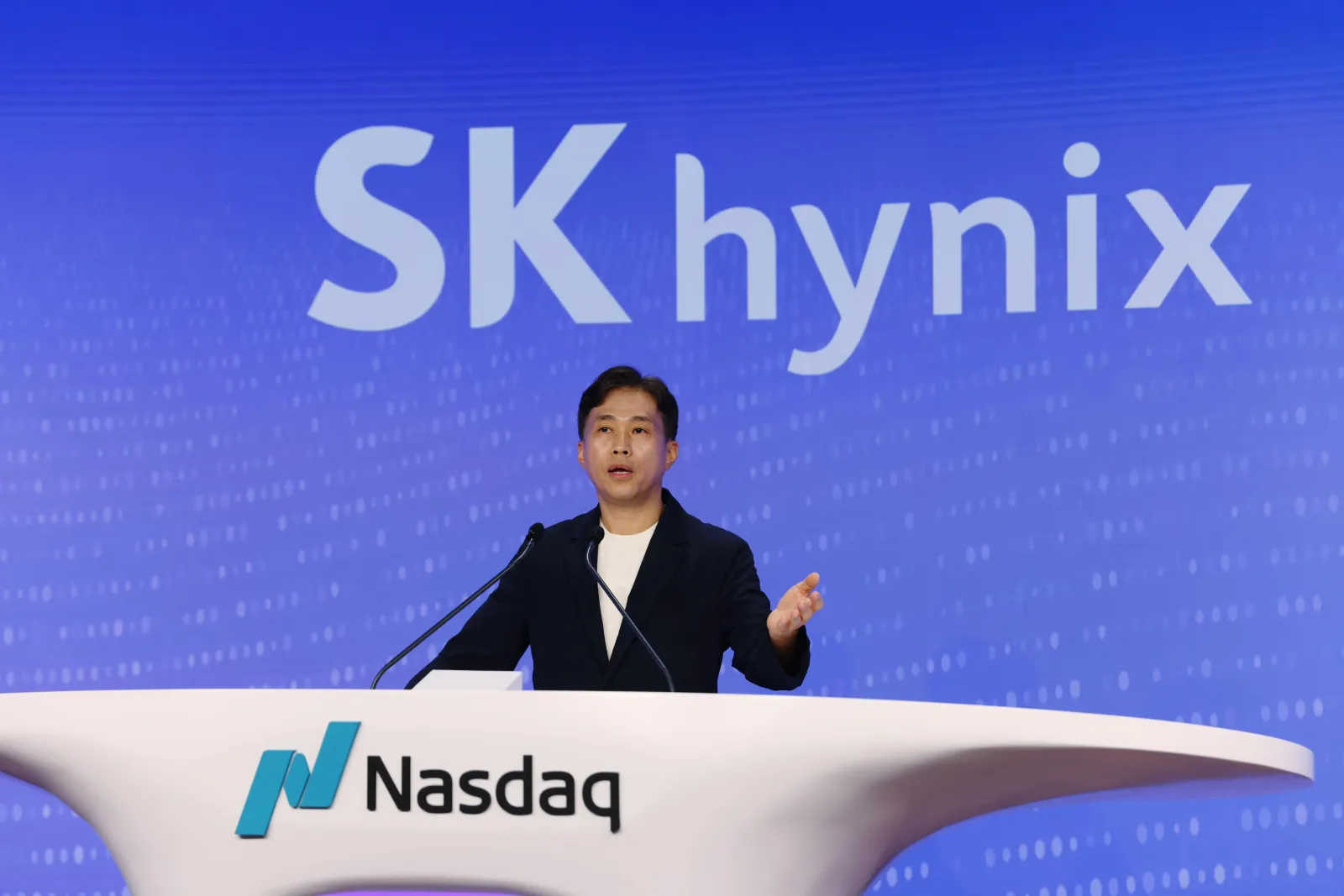
SK Hynix opens at $170, raises $26.5B, and tops foreign IPO records
In Friday's Wall Street debut, SK Hynix turns AI RAM demand into a $26.5B fundraising moment that rewrites comps.