
Ryanair stops charging parents after UK regulator investigation into its child-sitting fees
The airline “reluctantly” reverses course, a reminder to CFOs that “optional” fees can trigger legal risk fast.
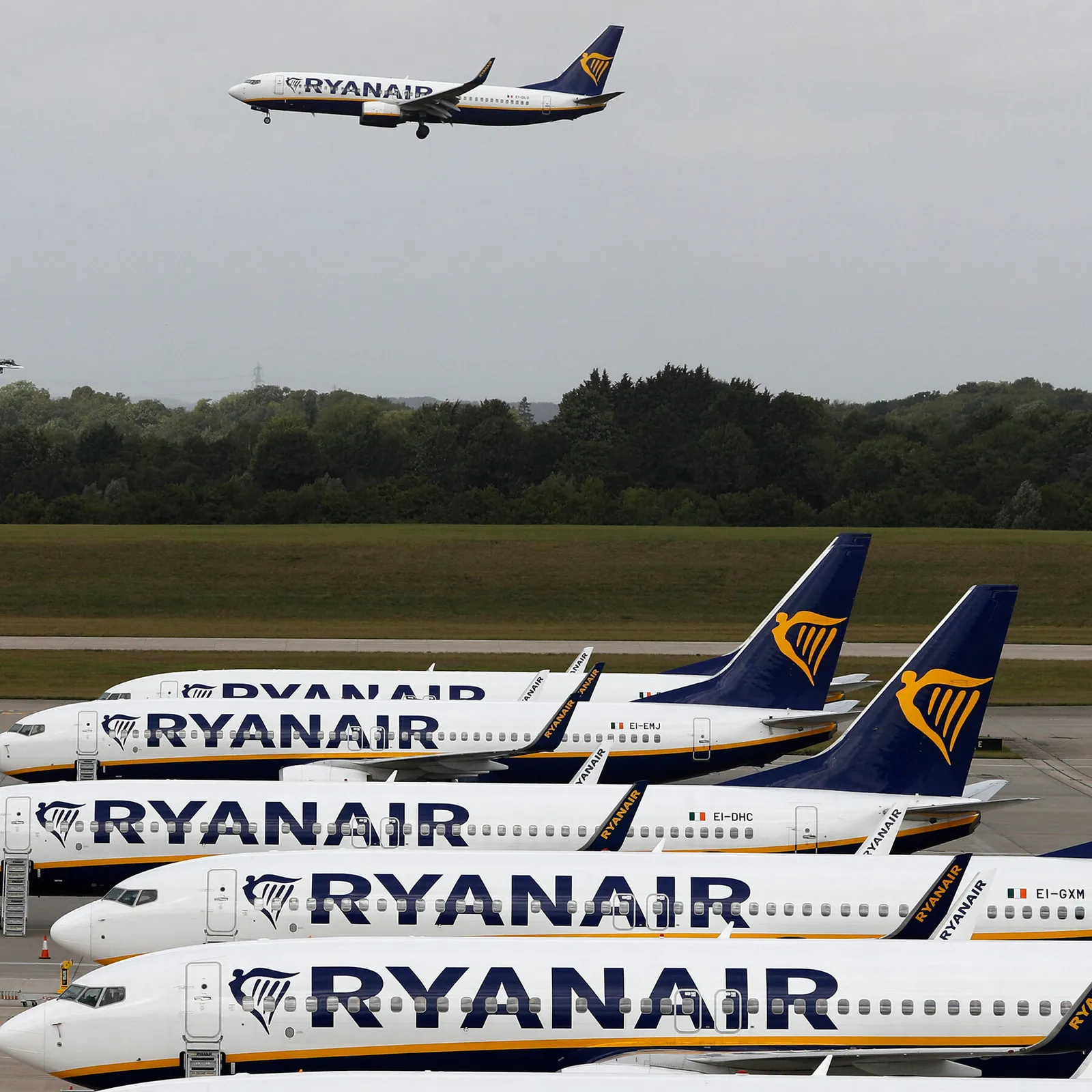
Ryanair said it “reluctantly” changed course by stopping a fee that charged parents for seating next to their children after a British regulator began investigating whether the charges were illegal. Decision-makers should treat this as a warning sign: fee structures can become compliance issues, not just revenue tactics.
Ryanair has stopped charging parents for seats next to their children, after a British regulator began investigating whether the airline’s fees were illegal. The carrier said it had “reluctantly” changed course. In plain English, the problem was not demand or capacity, it was the legality of the pricing mechanism.
That reversal matters because it shows how quickly airlines can lose pricing power when regulators decide to test the boundaries of what passengers and competition law will tolerate. Ryanair is not a small player operating in a niche. It is a major airline whose economics depend heavily on unbundled pricing, meaning customers often choose (or are required) to pay for specific add-ons rather than getting everything bundled into a single ticket price.
To understand why this is a big deal for operators and finance leaders, it helps to look at how “optional” fees typically work in low-cost airline models. Many carriers separate the base fare from ancillary services like seat selection, boarding, and changes. That structure can boost headline competitiveness and let different customers pay for what they value. But the same structure can also raise questions about fairness, consumer protection, and whether fees are misrepresented or effectively mandatory, depending on how they are marketed and how difficult it is for customers to avoid them.
Here, the fee in question involved parents sitting with their children, a simple and emotionally loaded need rather than a technical add-on. When a regulator focuses on a fee tied to a family situation, it signals that the scrutiny may not be limited to whether the airline can charge at all, but whether the charge is allowed in context. A regulator investigating “whether its fees were illegal” suggests there is a legal standard being tested, not merely a customer-service issue to be fixed.
Ryanair’s “reluctantly” is also the tell. The company is signaling that it preferred to keep the fee, but decided the investigation risk outweighed the revenue upside. For an executive audience, that is the core lesson. Regulatory investigations can turn pricing strategy into a binary outcome: keep charging and wait, or change now and protect the broader business from escalation. Even without knowing the regulator’s exact legal theory from the brief description, the sequence is clear: investigation begins, and the airline stops charging.
The second-order implication is about how boards and CFOs should think about ancillary revenue governance. Ancillary lines of business can look like low-risk monetization. After all, they are often small compared to the base ticket. But a fee is still a fee, and a pricing tactic can become an operational constraint once regulators, courts, or consumer protection agencies decide the rules have been crossed. That means compliance cannot sit at the far end of the org chart. It needs to be integrated into pricing and product design, especially when the add-on involves customer vulnerability or constrained choices.
For peers in the airline sector, this is also a competitiveness signal. If one carrier removes a fee tied to family seating, rivals can face customer pressure in the opposite direction. Even if competitors have different fee structures, passengers notice how easy or hard it is to secure the seat outcome they want. That can shift expectations across the market, raising the chances of future regulatory attention on similar charges. In other words, the decision is not just about this one fee. It can set a precedent for how regulators interpret analogous pricing.
Finally, for decision-makers beyond aviation, this is a reminder that regulators often target the parts of consumer transactions that look most like “gotchas.” Family seating is the kind of need that customers assume should be straightforward, and when a company charges to make it happen, regulators may view the charge as problematic if it violates consumer-protection rules or if it is effectively unavoidable for a meaningful group of customers. Ryanair’s move is therefore a strategic stake for any executive who relies on fee-driven revenue: the next investigation can start with a seemingly small line item, and end with a forced redesign of how the money is made.
This story's Key Insights and Take-aways are locked.
Create a free account to unlock Executive Actions for one credit.
Register to UnlockAlways free for Executives Club members. Join the Club
More in Business

Bungie cuts most Destiny 2 staff as Sony says Marathon still matters
Herman Hulst confirms layoffs affecting most Destiny and some Marathon teams after Bungie admits Destiny fell short.

SK Hynix jumps 11% after seeking up to $29.4B in Nasdaq listing
The chip giant filed for a Nasdaq listing plan that could raise $29.4 billion, instantly reshaping investor expectations.

Micron revenue hits nearly $42B as AI memory lifts gross margins above 81%
Fiscal Q3 results crush estimates, prove AI memory is rewriting Micron's margins, and change the momentum math for the whole chip stack.