

Saber exec says 'no real development in North America anymore' - the math is brutal
Saber Interactive's CCO Tim Willits breaks down why global studios beat US triple-A costs - and what it means for the industry's future.
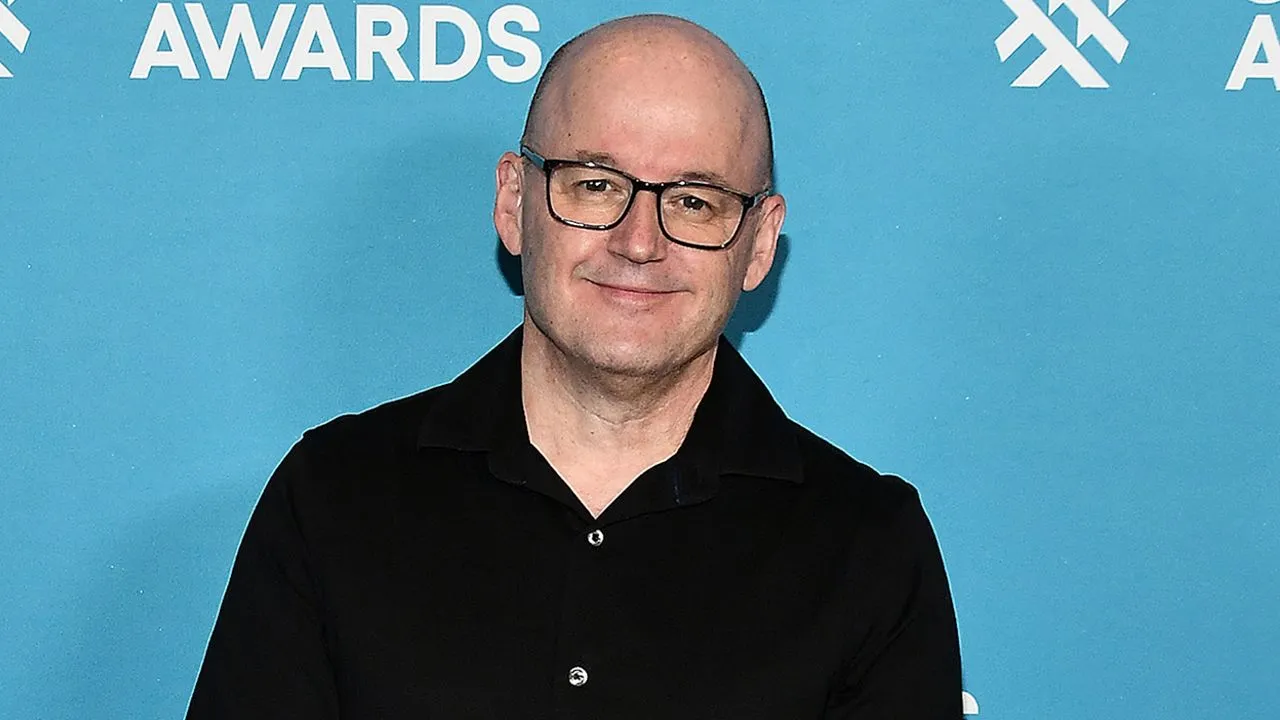
Saber Interactive CCO Tim Willits revealed the company has 'no real development in North America anymore,' with only publishing remaining in the region. The cost math he shared - $6M for SnowRunner vs. $120M in US salaries - underscores why global production is winning.
Saber Interactive's chief creative officer, Tim Willits, dropped a blunt truth at Gamescom: the company has 'no real development in North America anymore.' Only publishing operations remain in the US, while game development happens across a global network of studios. The math behind that shift is brutal. Willits pointed to SnowRunner, which has generated hundreds of millions in revenue, yet cost just $6 million to make. That's roughly three months of development time in California, where a big studio burns $2 million or more per month in salaries alone. Over a five-year production cycle, that adds up to $120 million just in payroll.
Willits contrasted that with an unspecified recent triple-A release that cost three times as much as Saber's own Space Marine 2, yet sold 11 million fewer copies. 'It was a third [of the cost], and it sold 11 million more copies,' he boasted. The implication is clear: throwing money at development doesn't guarantee success, and the US-centric model is increasingly unsustainable. Space Marine 2 has sold 12 million copies at last check, while the unnamed competitor reportedly moved just 1 million units - a stark gap that Willits attributes to cost efficiency, not just quality.
Saber's approach is to go where the talent is, regardless of geography. 'We are not afraid of any territories,' Willits said. 'Some publishers are afraid to work in territories they don't understand, but we're like, let's go, let's find some people that are talented, let's give them what they need, and let's make awesomeness. You don't need to be in California to be a brilliant programmer or artist or animator.' The company's development offices span Serbia, Armenia, Georgia, Spain, Portugal, Sweden, Argentina, and Australia - a deliberate strategy to tap into lower-cost, high-skill markets. This isn't just about saving money; it's about rethinking where value is created.
Willits expressed disapproval of the 'wasted money' he sees in many triple-A games, pointing to overspecialization as another contributor to the ongoing crisis. He argued that big North American studios often over-hire and over-scope, leading to ballooning budgets that don't translate into better player experiences. Yet he also argued the crisis is not as severe as it's being reported. That nuance matters for executives trying to navigate the current landscape, where layoffs and studio closures dominate headlines but successful projects like Space Marine 2 prove the model still works - if costs are controlled.
For decision-makers, the implications are significant. The traditional model of a monolithic US studio with hundreds of employees and a massive burn rate is being challenged by a distributed, global approach that delivers comparable quality at a fraction of the cost. Saber's success suggests that players care about the game, not the studio's zip code. This echoes a broader industry shift toward remote and offshore production, accelerated by the pandemic's normalization of distributed teams. While the source doesn't mention the pandemic, the trend is evident in Saber's own footprint.
The shift also raises questions about the future of US game development. If the economics continue to favor offshoring, we may see more studios follow Saber's lead, keeping publishing and creative direction in North America while moving production overseas. That could mean fewer jobs for US developers, but also more opportunities for talent in emerging markets. For boards and CEOs, the takeaway is to evaluate whether their own cost structures are competitive - and whether they're willing to embrace a global talent pool. Willits' comments, while self-serving, highlight a fundamental truth: the old way of doing things is no longer viable.
Ultimately, this is a story about capital efficiency. SnowRunner's $6 million budget versus $120 million in potential US salaries is a stark reminder that the industry's cost curve has shifted. Executives who ignore this math risk being outmaneuvered by nimbler, globally distributed competitors. The question isn't whether to offshore, but how to do it without losing creative identity. Saber's answer, at least for now, is to lead from the US while building everywhere else.
This story's Key Insights and Take-aways are locked.
Create a free account to unlock Executive Actions for one credit.
Register to UnlockAlways free for Executives Club members. Join the Club
More in Business

Apple unveils first foldable iPhone Duo with 7.6-inch display under new CEO Ternus
Apple's first foldable, the iPhone Duo, marks a major product bet for new CEO John Ternus, with a 7.6-inch unfolded screen.
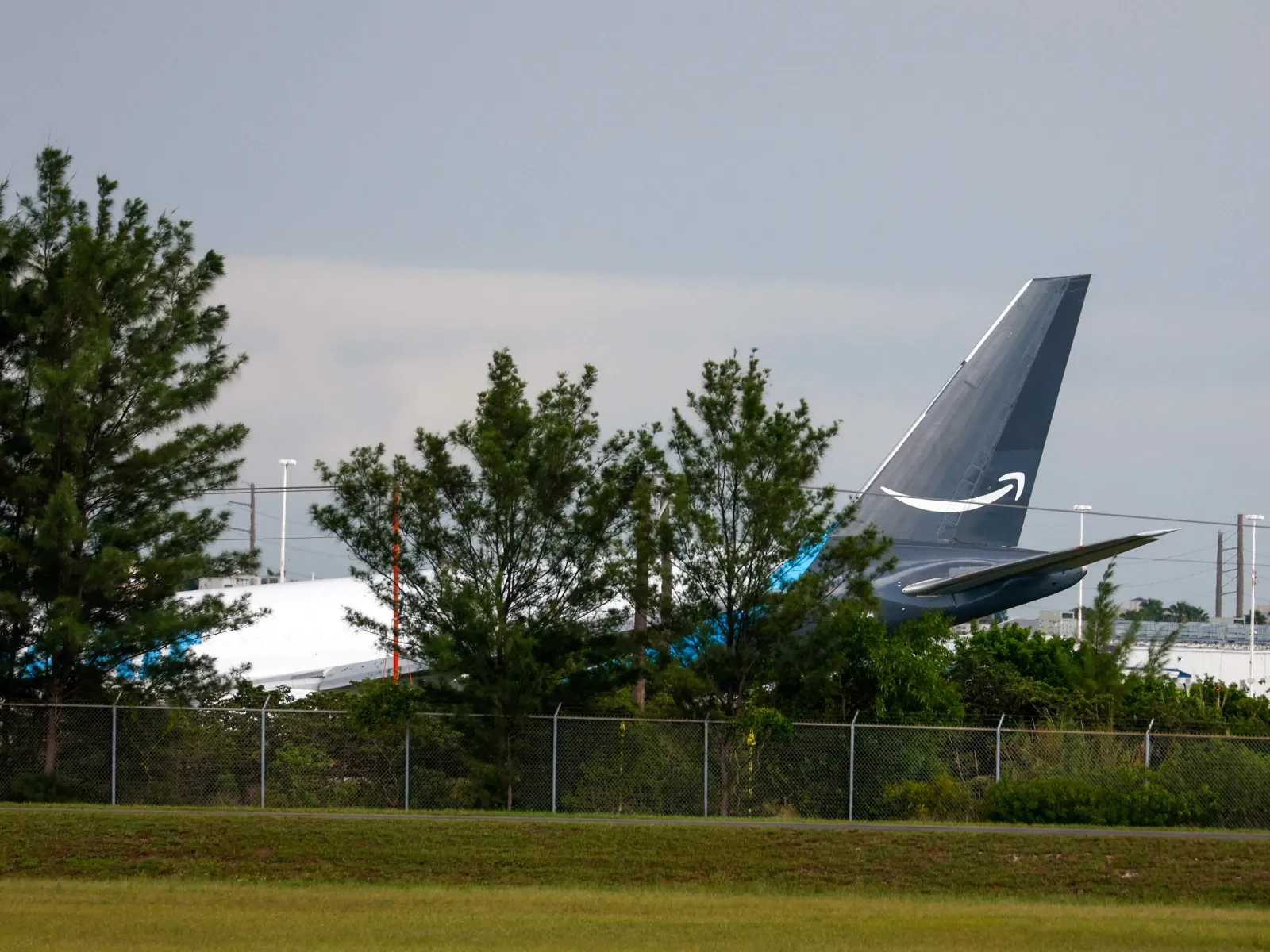
Amazon Prime Air 767 overshoots Miami runway, killing at least 5
The Boeing 767 freighter from San Juan struck vehicles and erupted in flames, prompting a ground stop and a fresh NTSB investigation into Amazon's air cargo network.
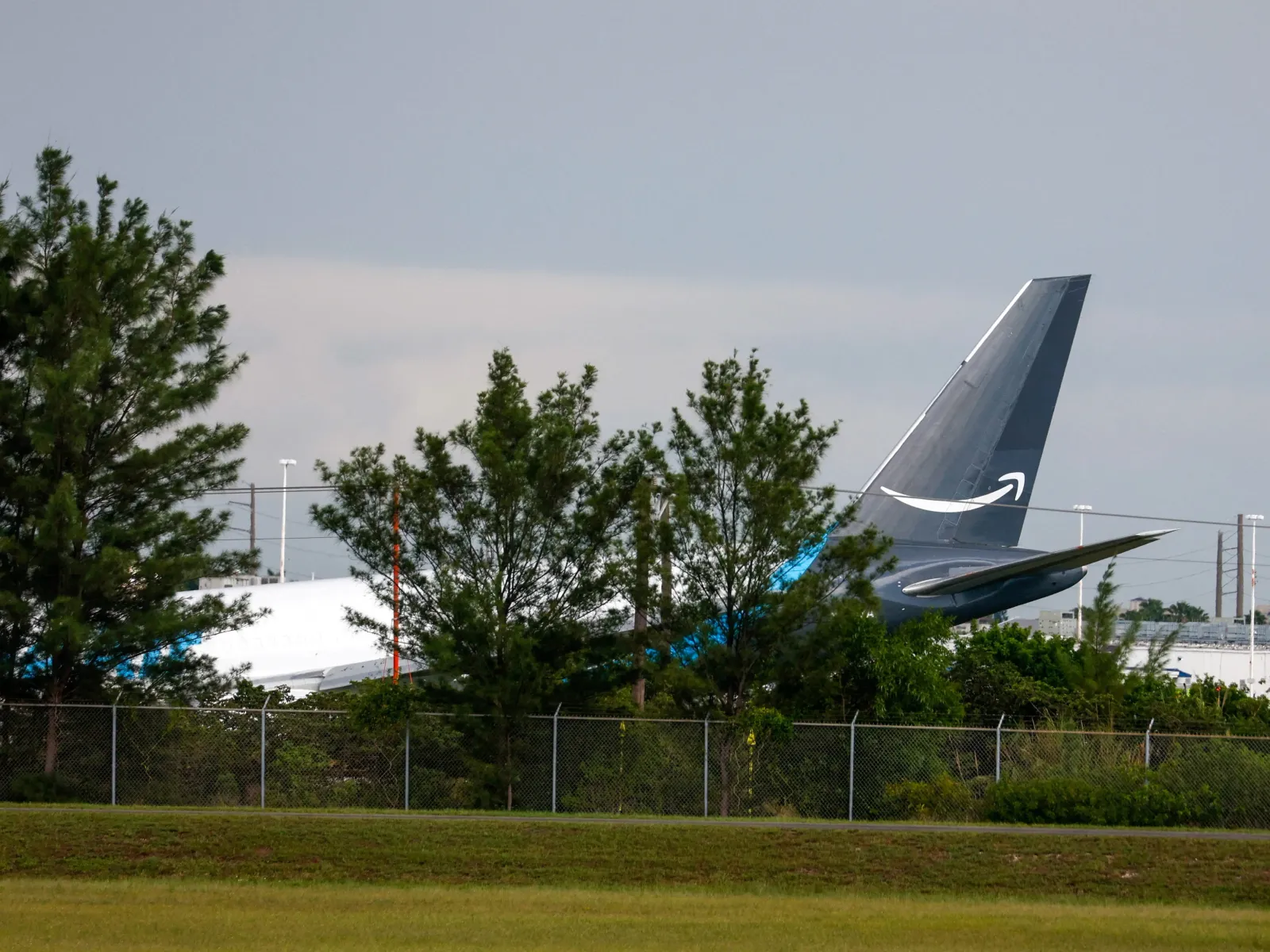
Amazon Prime Air 767 overshoots Miami runway, strikes vehicles, catches fire
The Boeing 767, operated by 21 Air, was arriving from San Juan when it overshot the runway, triggering a ground stop and multiple injuries.