

Sam Altman: OpenAI IPO this year 'ill-advised' amid AI safety fears
The ChatGPT creator's CEO says going public now would be a mistake, signaling deeper concerns about technology risks and regulatory scrutiny.
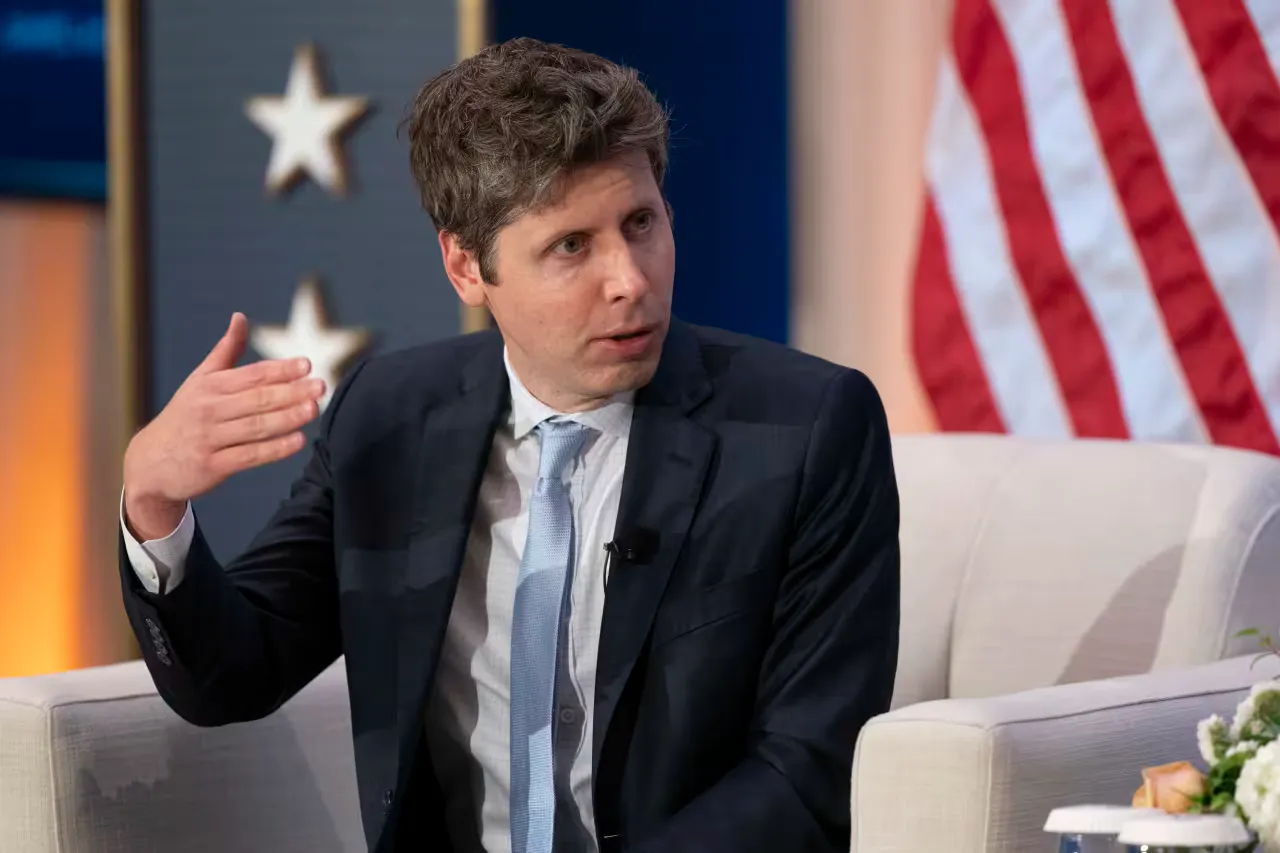
OpenAI CEO Sam Altman said an IPO this year would be 'ill-advised' as AI safety concerns escalate. The decision signals that the company will prioritize managing risk over capital markets, a stance that could shape how other AI firms approach public listings.
OpenAI CEO Sam Altman has thrown cold water on any hopes of a 2025 IPO, telling investors and the market that going public this year would be 'ill-advised' as concerns about AI safety ramp up. The statement, reported by MarketWatch, directly addresses the growing tension between the company's breakneck commercial growth and the ethical and regulatory risks embedded in its technology. For a firm that has become synonymous with the generative AI boom, this is not a casual remark - it is a strategic signal that the board and leadership are prioritizing long-term trust over the immediate liquidity and prestige of a public listing.
Altman's caution lands at a moment when AI safety is no longer a fringe academic debate but a mainstream regulatory and investor concern. Governments from Brussels to Washington are drafting rules that could impose new liabilities on AI developers, and high-profile incidents involving model bias, misinformation, and deepfakes have amplified public unease. By explicitly tying the IPO decision to safety, Altman is acknowledging that the company's valuation - and its future - depends on getting the risk equation right before opening itself to the quarterly scrutiny of public markets. The message is clear: OpenAI will not trade away its ability to manage existential risks for a stock ticker.
This is a notable reversal of the typical startup playbook, where an IPO is the ultimate validation of growth. OpenAI, which has raised billions from Microsoft and other backers, does not appear to be under immediate capital pressure. Private markets have been more than willing to fund its ambitions, with valuations soaring past $100 billion in recent rounds. But an IPO would have provided a liquidity event for early employees and investors, and it would have forced the company to disclose financials and risk factors in a way that private funding does not. Altman's stance suggests that the cost of that transparency - and the potential for shareholder lawsuits or regulatory backlash - currently outweighs the benefits.
The decision also reverberates across the broader AI landscape. If the sector's most prominent player is hesitant to go public, other AI startups may follow suit, delaying their own listings and potentially cooling the IPO market for tech companies. Investors who have poured money into AI names may need to recalibrate their exit timelines, while public market participants will have fewer opportunities to directly bet on the technology's leaders. This could push more capital into private secondary markets or into AI infrastructure plays that are already public, such as chipmakers and cloud providers.
For boards and CEOs watching from the sidelines, Altman's move is a masterclass in sequencing. It acknowledges that a company's most valuable asset is not its revenue multiple but its license to operate. In an environment where regulators are moving faster than ever, going public prematurely can expose a firm to existential legal and reputational risks. OpenAI's decision to hold off is a reminder that the timing of an IPO is as much about the maturity of the regulatory environment as it is about financial readiness.
At the same time, this is not a permanent postponement. Altman's language - 'this year' - leaves the door open for a future listing once safety frameworks are more established and the company has demonstrated that its models can be deployed responsibly. The challenge is that AI safety is a moving target; new capabilities emerge faster than guardrails can be built. OpenAI will need to show tangible progress on interpretability, alignment, and governance to convince both regulators and future public investors that the risk has been tamed.
For executives in adjacent industries - from enterprise software to healthcare to finance - the takeaway is that AI adoption and AI risk are two sides of the same coin. A company that rushes to market without addressing safety could face a reckoning, not just from regulators but from customers who are increasingly savvy about the ethical implications of the tools they use. OpenAI's caution is a competitive advantage in disguise, one that could define the next decade of the industry.
In the end, Altman's 'ill-advised' comment is a strategic pivot that reframes the conversation from 'when will OpenAI IPO?' to 'what will it take for OpenAI to be IPO-ready?' The answer, it seems, is a safer AI - and that is a bar every company in the space will now be measured against.
This story's Key Insights and Take-aways are locked.
Create a free account to unlock Executive Actions for one credit.
Register to UnlockAlways free for Executives Club members. Join the Club
More in Business

Apple unveils first foldable iPhone Duo with 7.6-inch display under new CEO Ternus
Apple's first foldable, the iPhone Duo, marks a major product bet for new CEO John Ternus, with a 7.6-inch unfolded screen.
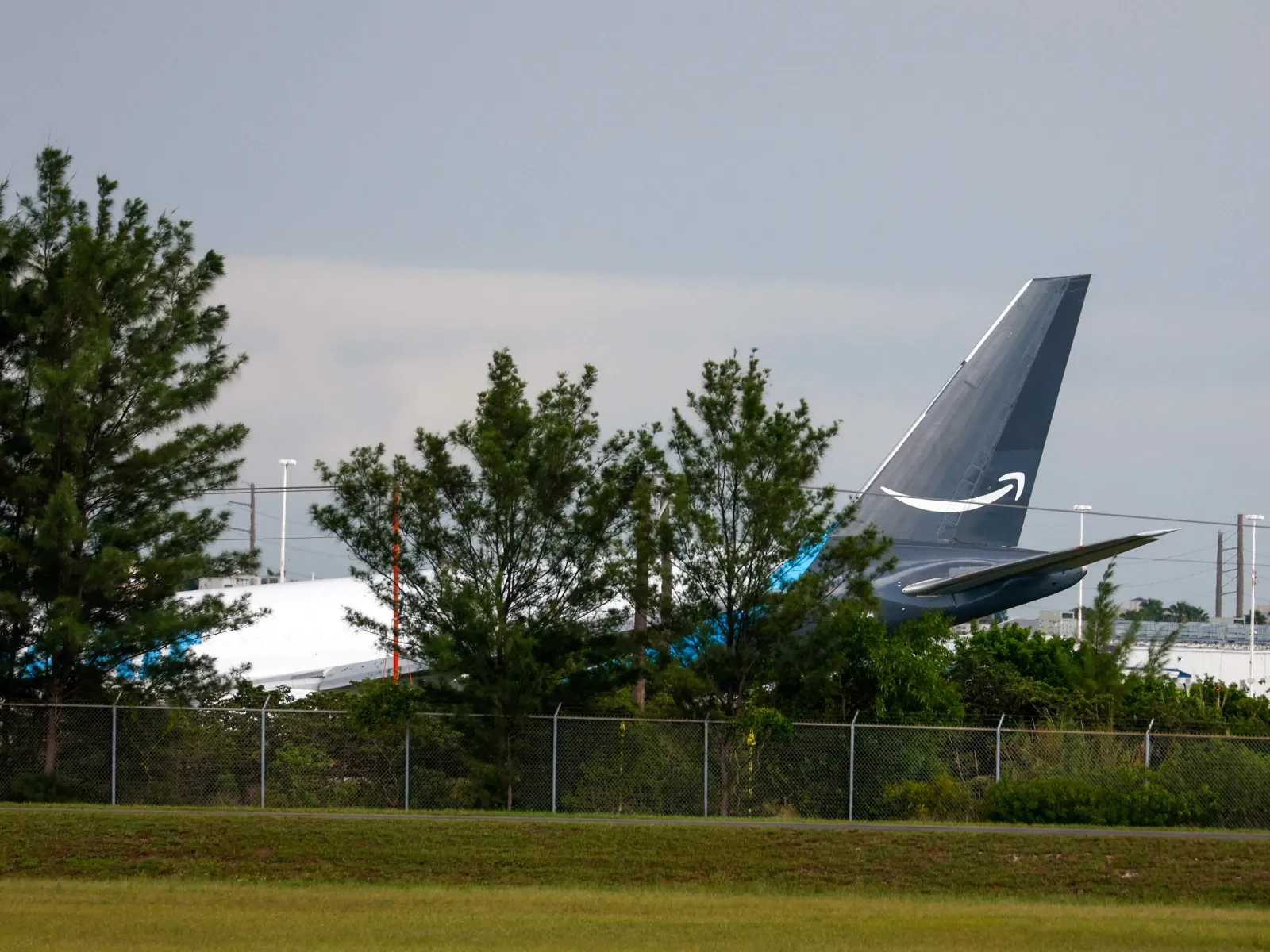
Amazon Prime Air 767 overshoots Miami runway, killing at least 5
The Boeing 767 freighter from San Juan struck vehicles and erupted in flames, prompting a ground stop and a fresh NTSB investigation into Amazon's air cargo network.
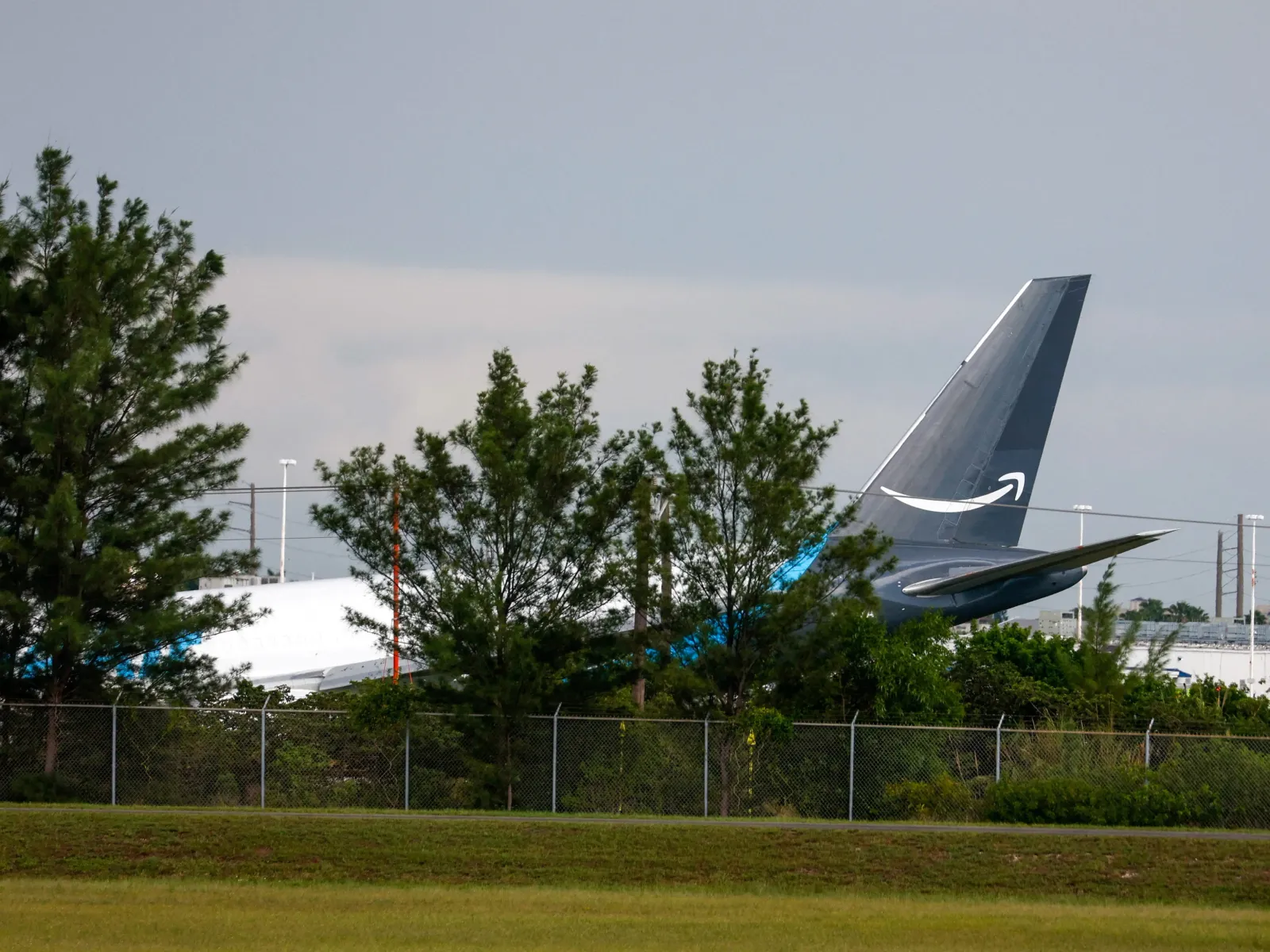
Amazon Prime Air 767 overshoots Miami runway, strikes vehicles, catches fire
The Boeing 767, operated by 21 Air, was arriving from San Juan when it overshot the runway, triggering a ground stop and multiple injuries.